
24/7 Customer Support

Free returns

Same-day & Next-day Delivery

Quality Guaranteed

Unlock Your Welcome Offers: FREE Delivery | Up to 80% OFF | Free 30-day JoyPlus trial
Download the APP
Choosing omega-3 supplements can look straightforward until you compare fish oil, algae oil, krill oil, multivitamins and flavoured children’s products. The largest number on the front of a bottle is not always the most useful figure, and a product that suits one household may be unsuitable for another.
This guide explains the practical details worth checking before buying, including EPA and DHA levels, dietary suitability, serving size and added nutrients. It also highlights a selection of products available through Joybuy.
“1,000 mg fish oil” does not necessarily mean 1,000 mg of omega-3. A capsule may contain 1,000 mg of fish oil but provide a smaller amount of combined EPA and DHA. Always look for the separate figures for:
For example, one product may provide 1,250 mg fish oil and 750 mg omega-3 per capsule, while another provides 1,000 mg fish oil and 300 mg omega-3. Comparing only the front-of-pack fish oil figure can therefore lead to an inaccurate price comparison.
A product described as high-strength omega-3 may provide its stated amount across two or more softgels. Check whether the figure applies to one capsule or the full daily serving. A one-a-day product may be more convenient, while a two-capsule serving may offer greater flexibility if you prefer to split intake with meals.
Flavour and capsule size also matter. Lemon or strawberry flavouring may help reduce an unwanted fishy taste, while mini softgels or chewables can be easier for some users to take consistently.
Fish oil and krill oil capsules are not suitable for people with relevant fish or crustacean allergies. Vegan products may still contain additional ingredients that need checking, such as botanicals or minerals.
Also review whether the supplement contains vitamin D, vitamin A, vitamin K or a broad multivitamin. Taking several overlapping products can increase total nutrient intake unnecessarily. Follow the label and ask a pharmacist or healthcare professional for advice if you take prescribed medicines, particularly anticoagulants, or have an existing condition.
Most EPA and DHA supplements use marine oil from fish, krill or algae. These are different from ALA, the plant-based omega-3 found in flaxseed. Some children’s multivitamins use flaxseed oil and provide ALA, while vegan algae DHA supplements provide DHA directly.
The choice depends on your diet and the product’s stated nutritional profile. Do not assume that “omega-3” alone tells you which type is included.
Compare the amount per daily serving, not just per capsule. Examples from the available range include:
These figures are product specifications rather than a recommendation that one level is appropriate for everyone.
Look at the full ingredients list and capsule shell. Common options include:
Take capsules with food when directed on the label, store them in a cool, dry place and check the packaging for the latest formulation and use-by information.
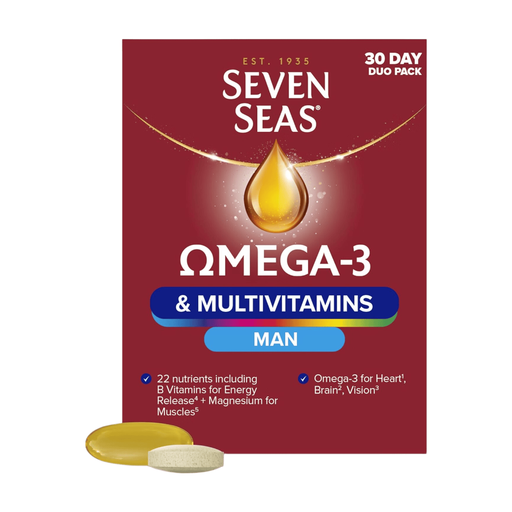
Why This Fits Their Persona: A straightforward two-part daily format for men aged 50 and over who want omega-3 alongside a broad multivitamin rather than buying separate products.
The label states 300 mg omega-3 per capsule, including 160 mg EPA and 100 mg DHA, rather than relying only on the 1,000 mg fish oil figure.
Includes 22 vitamins and minerals, with vitamin D, calcium and B vitamins; supplied as a 30-day duo pack.
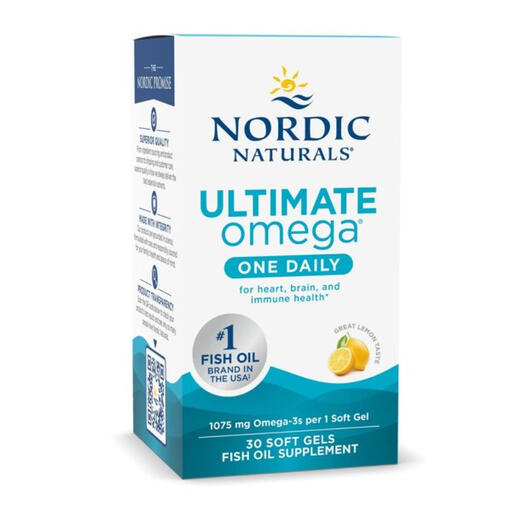
Why This Fits Their Persona: Suits adults who prioritise a concentrated, once-daily format and prefer a lemon flavour over a plain fish oil taste.
Its stated serving is one softgel, with the EPA, DHA and total omega-3 amounts clearly listed separately.
Provides 1,075 mg total omega-3, including 562 mg EPA and 438 mg DHA, in an rTG softgel with natural lemon flavour.
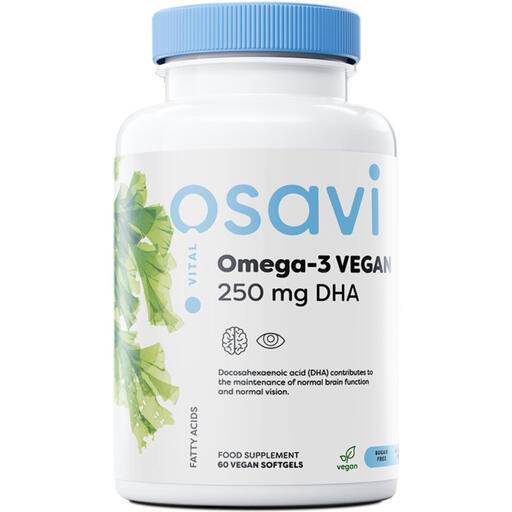
Why This Fits Their Persona: A plant-based choice for UK vegans and vegetarians who want DHA without fish oil or gelatin.
The product specifies algae oil as its source and uses a vegan tapioca softgel, avoiding ambiguity around capsule ingredients.
Provides 250 mg DHA per softgel and is listed as free from gluten, lactose, soy and GMO ingredients.
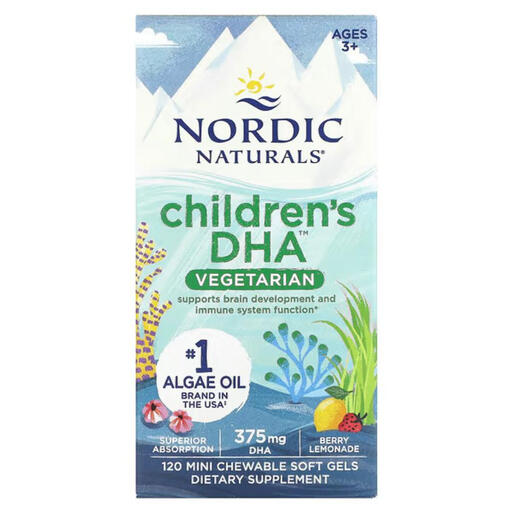
Why This Fits Their Persona: Designed for children aged three and over who may not eat fish regularly or who follow a vegetarian diet.
The age guidance, four-chewable serving and algae-derived DHA amount are stated clearly, helping parents avoid adult products or unclear dosing.
Provides 375 mg DHA per serving in a berry lemonade chewable format, with no fishy aftertaste.
We have compiled a complete, real-time list of products that fully satisfy these strict selection criteria and UK safety regulations.
Check the best-before date and storage instructions on the packaging. Keep capsules or chewables in a cool, dry place away from direct sunlight, heat and humidity. Close the container securely after each use. Do not use a product if its seal is broken or if the smell, taste or appearance has changed.
Many products advise taking softgels with or during a meal. Food can make the routine easier to maintain and may be appropriate for oil-based products. Always follow the individual label rather than assuming every formula has identical instructions.
No. Children, pregnant or breastfeeding people, those with allergies and anyone taking prescribed medication should check the label and seek advice from a pharmacist or healthcare professional where appropriate. Supplements should complement a varied, balanced diet and must not be used as a replacement for medical treatment. Product formulations and guidance can change, so read the packaging supplied with your purchase before use.