
24/7 全天候客户支持

免费退货

当日/次日达

品质保障

开启新人专享福利: 全场免邮 | 低至 2 折 | 免费试用 30 天 JoyPlus 会员
下载 Joybuy
Choosing omega-3 supplements for kids can seem straightforward until you compare DHA, EPA, ALA, gummies, softgels and multivitamins. Parents also need to consider age suitability, allergies, flavour, dosage and whether a child can comfortably chew or swallow the product.
A colourful gummy is not automatically the right choice. The useful starting point is to check what type of omega-3 it provides and whether the format fits your child’s daily routine.
A product may display a large total omega-3 figure, but this does not tell you how much is DHA, EPA or ALA. Fish oil products generally provide DHA and EPA, while flaxseed-based supplements provide ALA. These are different omega-3 fatty acids, so compare the specific nutrient amounts rather than the headline number alone.
For families seeking a kids DHA supplement, the DHA amount per serving is particularly relevant. If a product provides ALA only, do not assume it is equivalent to a DHA supplement.
Gummies and softies may be easier for children to take, but the recommended age and serving instructions still matter. Some products are intended for children aged 3 and above, while others are designed for ages 4, 6 or 12. A softgel can also present a swallowing or chewing challenge for a younger child.
Always read the current packaging, including the dosage, allergen declaration and choking warnings. Product formulations and instructions can change.
Children’s omega-3 gummies may contain sugar or sweeteners such as xylitol and sorbitol. Fish oil for kids can contain fish allergens, while vegetarian DHA for children is usually made from marine algae but may still include other ingredients that require checking.
Look beyond claims such as “natural flavour” or “clean formula”. Review the full ingredient list, especially if your child has an allergy or already takes a children’s multivitamin with omega-3.
DHA is found in many kids DHA supplements and is commonly selected by parents looking for nutritional support for normal brain, eye and nervous system function. EPA is another fish-oil omega-3, while ALA is a plant-based omega-3 found in flaxseed oil.
Compare the amount per recommended serving, not merely the amount per capsule or gummy. For example:
These figures illustrate why products should not be ranked by total omega-3 alone.
Check whether the product matches your child’s age. Some options are marked for children aged 3 and above, while the Complete Omega Junior softgels are listed for children aged 6–12. The NOW Foods chewable softgels are listed for children aged 4 and above.
Also consider serving size. One gummy may be convenient, but four vegetarian chewables per day or two mini softgels may suit a different routine. Do not combine several high-dose omega-3 products unless a healthcare professional advises you to do so.
Fish-derived DHA and EPA may suit families happy to use fish oil, but they are unsuitable for children with fish allergies unless a healthcare professional advises otherwise. Algae-derived DHA offers a fish-free and vegetarian route.
For everyday practicality, compare:
Look for clear labelling, batch information, storage instructions and allergen details. Statements about purity or testing should be checked against the product label rather than treated as a guarantee beyond the supplied information.
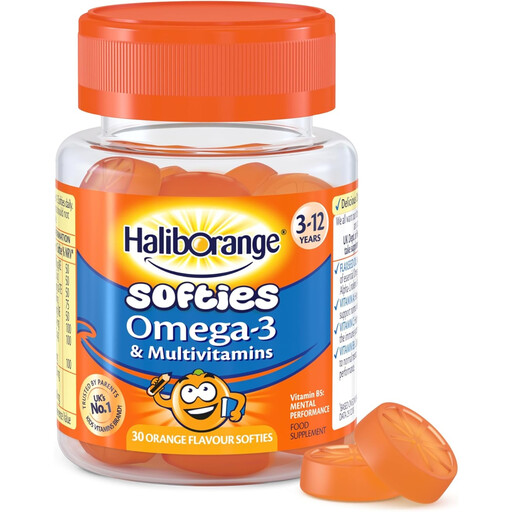
Why This Fits Their Persona: A straightforward orange-flavoured softie for children aged 3–12, combining flaxseed-derived ALA with eight vitamins.
The label identifies ALA separately, so buyers are not left guessing whether it contains DHA or EPA.
Orange flavour; includes vitamins A, C, D, E and B vitamins; 30 softies per pack.
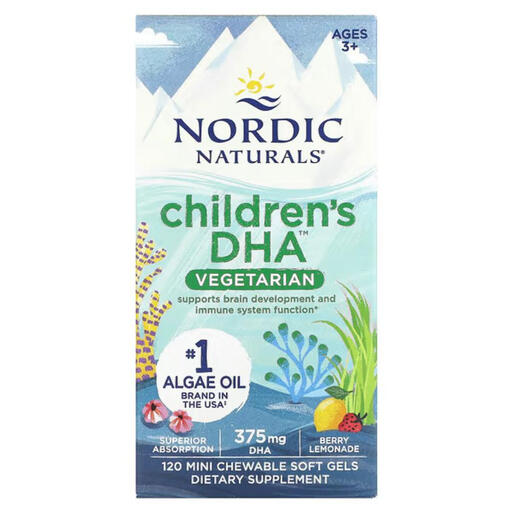
Why This Fits Their Persona: A practical option for vegetarian or fish-free households wanting algae-derived DHA in a passion fruit lemon gummy.
Its supplied information clearly identifies algal oil and 100mg DHA per gummy, rather than presenting a fish-oil blend as vegetarian.
Suitable from age 3; one gummy daily; no fish oil ingredient listed.
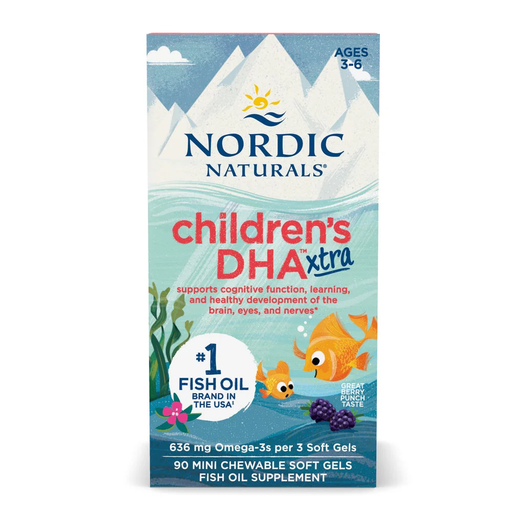
Why This Fits Their Persona: Designed for children aged 3–6 who can manage three mini softgels daily with food.
The serving clearly states 636mg total omega-3, including 375mg DHA and 165mg EPA.
Berry punch flavour; mini softgels may be swallowed or chewed; 90-count pack.
Why This Fits Their Persona: A chewable alternative for families who want a measured serving without a large capsule.
The serving size and DHA/EPA split are stated, making comparison easier than relying on flavour or shape alone.
Mini format; natural berry punch flavour; can be chewed or swallowed with food.
We have compiled a complete, real-time list of products that fully satisfy these strict selection criteria and UK safety regulations.
Some are labelled for daily use, but the child’s age, serving size and existing supplements matter. Follow the product label and do not exceed the recommended daily intake. If your child takes medication or has a medical condition, ask a pharmacist or healthcare professional before use.
This depends on the pack size and serving. A 30-gummy bottle taken once daily lasts around 30 days. Products requiring two or four chewables daily will run out sooner, so compare the number of servings rather than the number of pieces.
Check both ingredient lists first. A multivitamin may already contain vitamins A or D, while another omega-3 product may duplicate the fatty acids. Avoid exceeding stated doses and seek professional advice where your child has allergies, takes medication or needs several supplements. Supplements should complement a varied, balanced diet rather than replace it.