
24/7 Customer Support

Free returns

Same-day & Next-day Delivery

Quality Guaranteed

Unlock Your Welcome Offers: FREE Delivery | Up to 80% OFF | Free 30-day JoyPlus trial
Download the APP
Choosing omega-3 supplements should be straightforward, but product labels often make comparison difficult. A large capsule count does not necessarily mean a high-strength formula, while “fish oil” on the front of a bottle may hide a relatively modest amount of EPA and DHA.
For UK shoppers, the most common buying mistakes are:
The following guide explains what to check before buying, followed by recommendations matched to different lifestyles.
EPA (eicosapentaenoic acid) and DHA (docosahexaenoic acid) are the main omega-3 fats shoppers usually seek in fish oil and algae omega-3 products. The total oil figure can include carrier oils and other fats, so it is less useful for comparing strength.
For example:
A DHA-focused formula may suit shoppers looking for a DHA supplement, while an EPA supplement formula may be more appropriate for those specifically comparing EPA levels. Always compare the amount per serving, then check how many capsules that serving requires.
Traditional omega-3 fish oil is commonly sourced from fish such as anchovies, sardines, mackerel, tuna or herring. Anyone with a fish allergy should avoid these products unless advised otherwise by a healthcare professional.
Vegan omega-3 and algae omega-3 products use marine algae as their source. Nordic Naturals Algae Omega-3 supplies 715 mg total omega-3s per serving, including 195 mg EPA and 390 mg DHA, while Osavi offers a single-softgel format with 250 mg DHA. Check both the oil and capsule shell: some softgels use gelatine, whereas vegan products may use tapioca or other plant-based materials.
Also look for relevant dietary information such as gluten-free, dairy-free, soy-free or non-GMO status, but confirm the current packaging rather than relying only on product titles.
Capsules are convenient, but size and aftertaste can affect whether you continue taking them. Lemon or strawberry-flavoured softgels may be preferable if you dislike the taste of fish oil. Mini softgels can be easier to swallow, while gummies and chewables may suit children who cannot manage capsules.
For children, check the minimum age and whether the product contains xylitol, sweeteners or allergens. For pregnancy and postnatal use, choose a product clearly labelled for that life stage and discuss it with a midwife, GP or pharmacist before use.
Vitamin D omega-3 products can be convenient, but remember to check whether another supplement already contains vitamin D. Avoid accidentally doubling up.
The products below are selected by comparing their stated EPA and DHA levels, format, dietary suitability and intended user group. Read the product label before purchase, as formulations and directions can change.
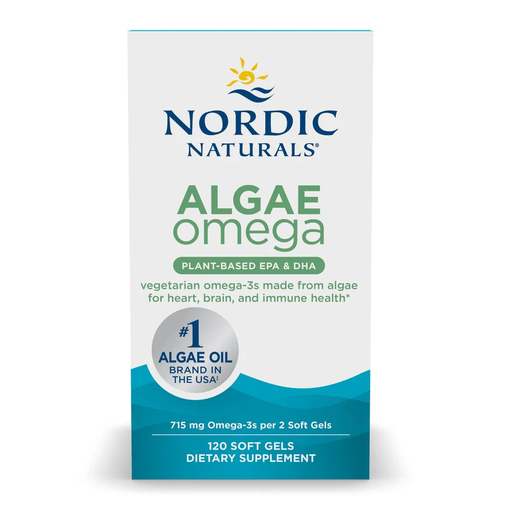
Why This Fits Their Persona: A practical fish-free option for UK vegans and vegetarians who want EPA and DHA in one daily formula without relying on fish oil.
The label identifies the algae source and lists 195 mg EPA plus 390 mg DHA, making the active omega-3 content easier to compare.
Vegan algae oil; provides both EPA and DHA; 120-softgel option available in the range.
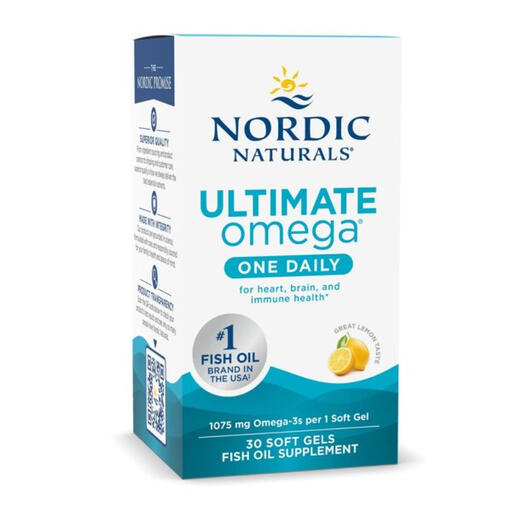
Why This Fits Their Persona: Suitable for adults who prefer a concentrated, once-daily fish oil capsule with a lemon flavour and clearly stated EPA and DHA levels.
The serving is one softgel and the label separates total omega-3s from EPA and DHA, avoiding confusion between oil weight and active content.
1,075 mg total omega-3s per softgel; lemon flavour; triglyceride-form fish oil stated on the product information.
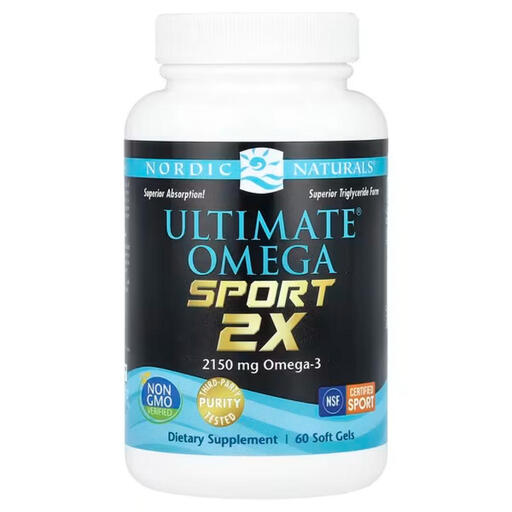
Why This Fits Their Persona: Designed for adults comparing high-strength omega-3 products, including active individuals who want a larger EPA and DHA serving.
The stated two-softgel serving provides 2,150 mg total omega-3s, including 1,640 mg EPA and 490 mg DHA, rather than relying on a vague “high strength” label.
High EPA content; triglyceride-form oil; serving guidance is clearly stated for adults.
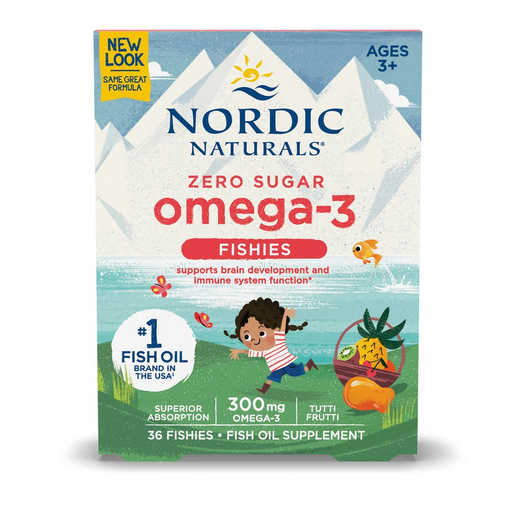
Why This Fits Their Persona: A chewable option for children who struggle with standard capsules, with a mixed fruit flavour and fish-shaped format.
The product information identifies it as a children’s chewable and lists 300 mg omega-3 per serving. Parents should confirm the age guidance on the current label.
Chewable format; mixed berry flavour; contains EPA and DHA; xylitol is listed, so it must be kept away from pets.
We have compiled a complete, real-time list of products that fully satisfy these strict selection criteria and UK safety regulations.
That depends on your diet and personal circumstances. If you regularly eat oily fish, you may already obtain omega-3 through food. Supplements can be considered by people who rarely eat fish, follow a vegan diet or need a product designed for a particular life stage. They should not replace a varied, balanced diet.
Choose according to the product’s stated nutrient profile and your reason for buying. DHA-focused products, including prenatal DHA and children’s formulas, are often selected when DHA is the main requirement. Products with more EPA may appeal to adults comparing high-EPA formulas. The label’s per-serving figures are more useful than the marketing description.
Follow the storage instructions and best-before date on the packaging. Keep the container sealed and away from heat and sunlight. Some products advise refrigeration after opening, while others do not. Do not use capsules if the seal is broken, the product smells noticeably rancid or the packaging instructions say otherwise.