
24/7 Customer Support

Free returns

Same-day & Next-day Delivery

Quality Guaranteed

Unlock Your Welcome Offers: FREE Delivery | Up to 80% OFF | Free 30-day JoyPlus trial
Download the APP
Choosing omega-3 supplements can seem straightforward until you compare EPA, DHA, serving sizes, fish oil sources, flavours and age recommendations. A large bottle does not always provide a high daily amount, while a product labelled “high-strength” may contain less EPA and DHA than expected.
This guide explains the figures that matter, common buying pitfalls and suitable options for adults, children, babies, postnatal women and people following a vegan diet.
A capsule may contain 1,000mg of fish oil but considerably less EPA and DHA omega-3. The useful comparison is the amount of EPA, DHA and total omega-3 per recommended serving, not simply the weight of the oil.
For example, a product providing 1,250mg fish oil may list 750mg total omega-3, including 375mg EPA and 250mg DHA. Another product may contain 1,075mg total omega-3 in one softgel, including 562mg EPA and 438mg DHA. These are materially different formulations despite similar-sounding front-of-pack numbers.
Standard omega-3 softgels can be unsuitable for young children because of their size and swallowing requirements. Liquid products offer more flexible measuring, but they require careful storage and accurate dosing.
For children, check the stated age range, whether the product is designed to be swallowed or chewed, and whether it contains allergens such as fish, soya or gelatine. Omega-3 for babies should only be used according to the product label and with appropriate advice from a paediatric healthcare professional, particularly where other vitamin D or cod liver oil products are already being used.
Vitamin D3, GLA, antioxidants, flavourings and additional plant extracts can be useful for a particular routine, but they may also increase cost or create unnecessary ingredient overlap. Check whether you already take a separate vitamin D supplement or other omega-3 product before combining formulas.
EPA omega-3 is commonly selected in formulas focused on providing a higher EPA ratio, while DHA omega-3 is often prioritised in products intended for brain and visual nutrition. Neither label alone tells you whether a product suits your needs; compare the actual milligrams per serving.
Adult formulas in this selection range from 500mg total omega-3 per serving in a phospholipid product to 1,640mg in a high-EPA formula. For a DHA-focused option, one product provides 830mg total omega-3 per two softgels, including 480mg DHA and 205mg EPA.
Softgels are compact and convenient, but large capsules can be difficult to swallow. Mini softgels, chewable omega-3 products and liquid drops may be more practical for children or adults who dislike capsules.
Lemon, strawberry, berry and mixed-fruit flavours are used in several options to reduce the traditional fishy taste. Always check whether a chewable product contains sweeteners such as xylitol, which must be kept away from pets.
Fish oil supplements contain fish and may use gelatine capsules. Vegan omega-3 and algae omega-3 products use marine microalgae instead, but their EPA and DHA levels vary.
If you are considering omega-3 with vitamin D3, calculate your total intake from all supplements. UK consumers should read the full label, recommended daily dose, allergen statement and storage instructions. Pregnant or breastfeeding people, anyone taking anticoagulants or other regular medication, and those preparing for surgery should seek healthcare advice before use.
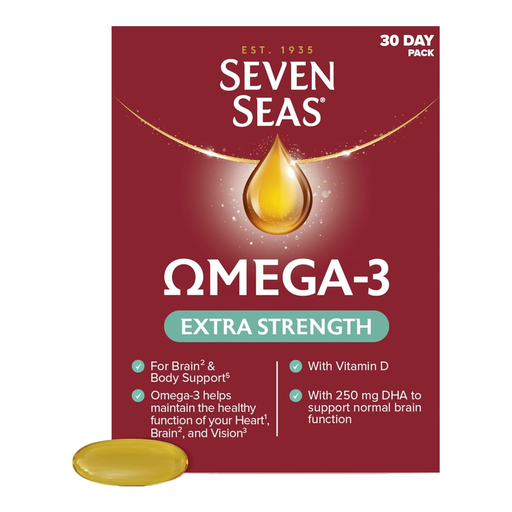
Why This Fits Their Persona: A straightforward one-capsule daily format for adults who want combined fish oil and vitamin D3 without managing several products.
The label separates 1,250mg fish oil from 750mg total omega-3, making the active content easier to compare.
One capsule per day; provides 375mg EPA, 250mg DHA and 10mcg vitamin D.
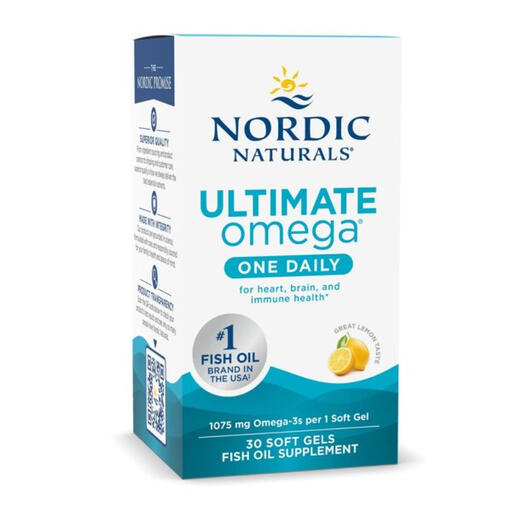
Why This Fits Their Persona: Suitable for adults who prefer a concentrated once-daily softgel and a lemon flavour rather than an unflavoured fish oil.
It states the one-softgel serving clearly, rather than requiring shoppers to divide a large total across several capsules.
Provides 1,075mg total omega-3, including 562mg EPA and 438mg DHA; lemon flavour.
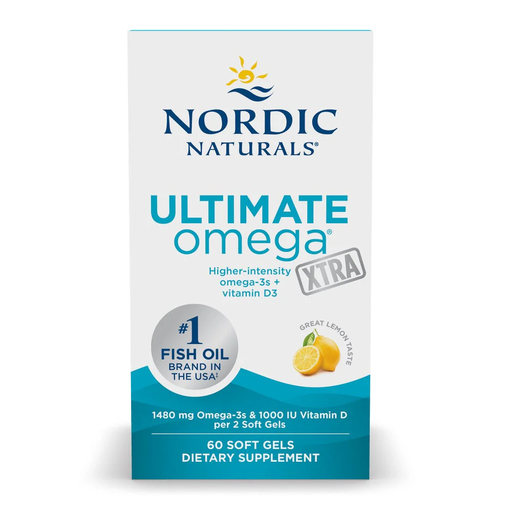
Why This Fits Their Persona: Designed for adults specifically comparing high-EPA omega-3 products and comfortable taking two softgels with food.
The EPA and DHA quantities are itemised instead of relying only on a broad “high-strength” statement.
Provides 1,640mg total omega-3 per serving, including 1,060mg EPA and 260mg DHA.
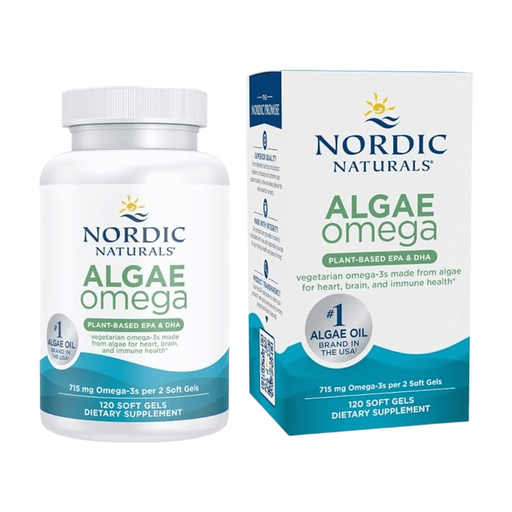
Why This Fits Their Persona: A fish-free alternative for adults who want both EPA and DHA from marine algae in a vegan softgel.
The source is identified as Schizochytrium sp. algal oil, avoiding assumptions that every algae product has the same nutrient balance.
Provides 715mg total omega-3 per serving, including 195mg EPA and 390mg DHA; fish-free formula.
We have compiled a complete, real-time list of products that fully satisfy these strict selection criteria and UK safety regulations.
For children aged three and over, options include DHA-focused mini softgels or vegetarian chewables. Check the exact serving instruction: one children’s product provides 636mg total omega-3 per three softgels, while a vegetarian chewable provides 375mg DHA per four chewables.
For babies, the liquid DHA and vitamin D3 product listed provides 1,050mg total omega-3 per serving, including 485mg DHA and 7.5mcg vitamin D3. Its instructions allow 1–5ml daily, with a maximum of 5ml, and require refrigeration after opening. Because infant nutrition and vitamin D intake need careful management, use only as directed and seek professional guidance where appropriate.
Postnatal omega-3 products may combine EPA, DHA and vitamin D3. One listed formula provides 1,120mg total omega-3 per two softgels, including 586mg EPA and 456mg DHA. It contains fish, so check the label carefully during breastfeeding and ask a healthcare professional if you take medication.
Shelf life varies by product. Follow the best-before date and storage instructions on the packaging. Liquid fish oil may require refrigeration and use within a stated period after opening, while softgels should generally be kept in a cool, dry place away from sunlight.
Many labels recommend taking omega-3 with a meal. This can fit more easily into a daily routine and may be preferable for products containing oil-based nutrients. Follow the specific product directions rather than increasing the dose if you miss a serving.
Algae omega-3 products can provide DHA, EPA or both without fish oil. Confirm that the capsule shell and all ingredients are vegan, as some softgels use gelatine. Also compare the actual EPA and DHA amounts because algae formulations are not nutritionally identical.