
24/7 Customer Support

Free returns

Same-day & Next-day Delivery

Quality Guaranteed

Unlock Your Welcome Offers: FREE Delivery | Up to 80% OFF | Free 30-day JoyPlus trial
Download the APP
Buying omega-3 supplements can seem straightforward until you compare fish oil, DHA, EPA, softgels, gummies, liquid formulas and algae oil. The largest number on the front of a pack does not always tell you how much active EPA or DHA you are getting.
This guide focuses on the details that matter when choosing fish oil supplements, DHA supplements, EPA supplements and plant-based alternatives for adults, children, babies and pregnancy.
A capsule may contain 1,000mg of fish oil but considerably less EPA and DHA. Always check the nutrition panel for:
For example, one product may provide 1,120mg of total omega-3 per serving, while another lists 1,250mg of fish oil but only 750mg of omega-3. Comparing the headline figure alone can lead to the wrong purchase.
Large omega-3 capsules may be inconvenient for someone who struggles to swallow tablets. Children may reject standard softgels because of their taste, while babies require a product with clear infant directions and controlled liquid dosing.
Consider whether omega-3 capsules, omega-3 softgels, liquid drops, chewables or omega-3 gummies for children are most practical for daily use.
Most traditional fish oil supplements contain fish and may use gelatin in the capsule shell. Some products also include vitamin D, turmeric, evening primrose oil or probiotics. These additions may be useful for a particular routine, but they can create unwanted duplication with other supplements.
Check the full ingredient list, allergen statement, age guidance and maximum daily dose before buying. If you are pregnant, breastfeeding, taking anticoagulants or managing a health condition, speak with a healthcare professional first.
EPA and DHA are the two figures to compare when shopping for omega-3 for heart and brain health. EPA-focused formulas may suit adults specifically looking for a high-strength EPA supplement, while DHA-focused formulas are often selected for children, pregnancy or diets where oily fish intake is limited.
Do not assume that a higher total omega-3 figure automatically makes one product more suitable. Match the EPA-to-DHA balance to the intended user and follow the label directions.
Fish oil is commonly supplied in triglyceride or re-esterified triglyceride formats, while some products use other forms. The product label should state the form where relevant. More important for everyday use is whether the serving size is manageable.
A once-daily softgel can be convenient for busy adults. Mini softgels, chewable capsules and gummies may be easier for children, but parents should check the minimum age and ensure the product is not treated as a sweet.
Liquid omega-3 for babies can offer more flexible dosing, but the dropper must be cleaned properly and the product stored according to its instructions.
Fish-based products usually specify the species used, such as anchovies, sardines, mackerel or herring. Those with fish allergies should avoid them. Vegetarians and vegans can consider vegan DHA supplements made from algae oil omega-3, commonly sourced from microalgae such as Schizochytrium.
Also look for a clear best-before date, storage advice, batch information and tamper-evident seal. A lemon or berry flavour may make regular use more acceptable, but flavour does not replace checking the nutritional panel.
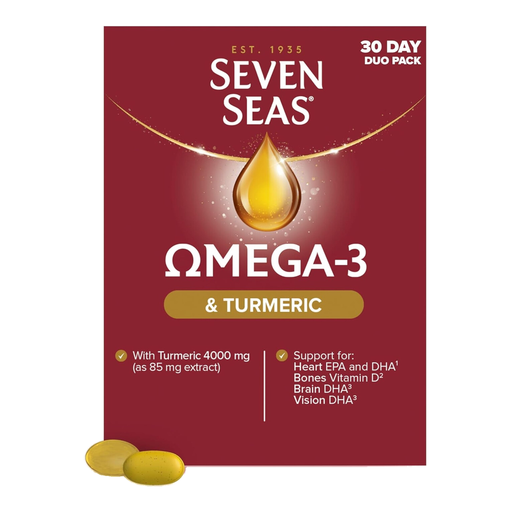
Why This Fits Their Persona: A 30-day pack with one capsule and one tablet per daily serving suits adults who prefer a defined routine rather than calculating separate products.
The label separates fish oil from omega-3 content, listing 300mg omega-3, including 150mg EPA and 100mg DHA, per daily serving.
Includes vitamin D and turmeric extract; the pack contains 30 daily servings and clearly states the one-serving limit.
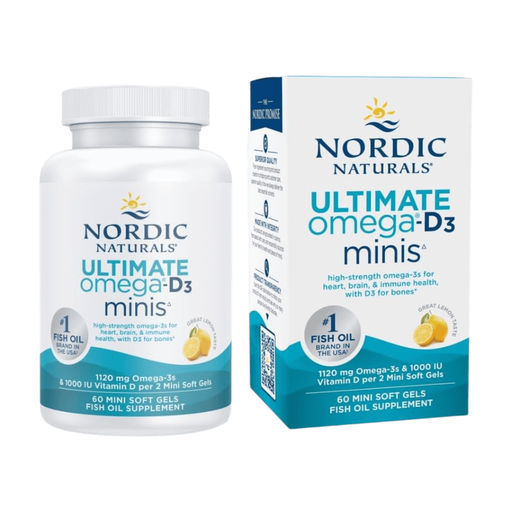
Why This Fits Their Persona: Adults who dislike fishy aftertaste may prefer the lemon flavour and mini softgel format for a simpler daily routine.
The panel states 1,120mg total omega-3 per two-softgel serving, with 586mg EPA and 456mg DHA, rather than only quoting fish oil weight.
Provides vitamin D3, natural lemon flavour and a two-softgel serving in a 60-mini-softgel pack.
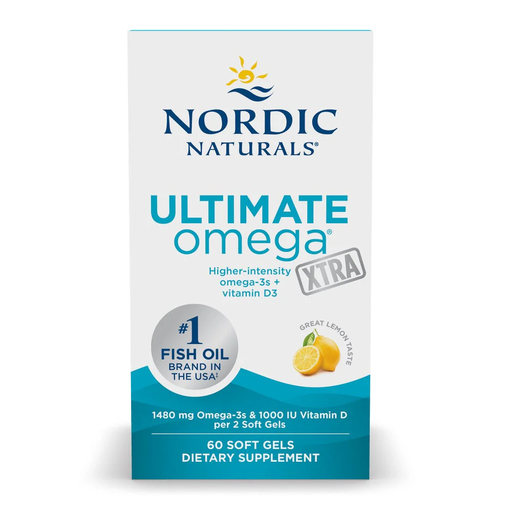
Why This Fits Their Persona: Adults specifically comparing high-strength EPA supplements can see the EPA quantity clearly and take two softgels with a meal.
Its stated serving provides 1,640mg total omega-3, including 1,060mg EPA and 260mg DHA, making the EPA emphasis transparent.
Lemon flavour; triglyceride-form fish oil; 60 softgels per pack.
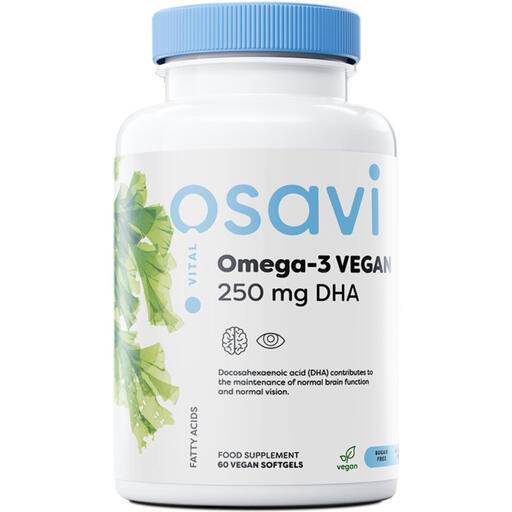
Why This Fits Their Persona: Vegetarians and vegans can choose a fish-free DHA source in a daily softgel format.
The product uses algae oil from Schizochytrium sp. and a tapioca capsule, rather than fish oil or gelatin.
Each softgel provides 250mg DHA and is listed as free from gluten, lactose, soy and GMO ingredients.
We have compiled a complete, real-time list of products that fully satisfy these strict selection criteria and UK safety regulations.
Choose a product with clear age guidance, child-appropriate serving instructions and a format your child can manage. Children’s DHA supplements may be supplied as mini softgels, chewables or gummies. For example, some products are labelled for children aged three and above, while others specify four years and above. Do not give a child an adult formula unless a healthcare professional advises it.
Some products combine omega-3 with vitamin D, but check your total daily intake if you already use a multivitamin or separate vitamin D supplement. Follow the product label and seek advice from a pharmacist or healthcare professional if you take medicines or have a medical condition.
Shelf life varies by product. Follow the best-before date and storage instructions on the packaging. Some liquid products require refrigeration after opening and use within a specified period. Keep capsules and softgels in a cool, dry place, away from sunlight, and do not use products with a broken tamper-evident seal.