
24/7 Customer Support

Free returns

Same-day & Next-day Delivery

Quality Guaranteed

Unlock Your Welcome Offers: FREE Delivery | Up to 80% OFF | Free 30-day JoyPlus trial
Download the APP
Omega-3 supplements can look remarkably similar on a product page, yet the amount and type of EPA and DHA may vary considerably. A low-cost bottle may contain plenty of “fish oil” but only a modest quantity of the omega-3 fatty acids you are actually comparing.
Parents, postnatal women, active adults and vegans also have different requirements. The right choice depends on the nutrient profile, format, flavour, age suitability and any added ingredients—not simply the largest number on the front of the pack.
“Fish oil capsules” may list 1,000 mg of fish oil, but this does not necessarily mean 1,000 mg of EPA and DHA. Always check the nutrition panel for:
For example, Seven Seas Omega-3 Fish Oil and Cod Liver Oil provides 220 mg of fish oil and 110 mg of omega-3 per capsule, including 50 mg EPA and 45 mg DHA. This is quite different from a high-strength omega-3 product providing more than 1,000 mg per daily serving.
Adult omega-3 formulas are not automatically suitable for babies or children. Liquid baby DHA supplements, children’s omega-3 gummies and chewable softgels have different serving instructions and age guidance.
Check whether the label states that the product is intended for:
For infants, do not estimate a dose from an adult product. Follow the product label and ask a GP, health visitor or pharmacist if you are unsure, particularly when combining a baby DHA supplement with vitamin D drops or other supplements.
Some formulas combine omega-3 with vitamin D, turmeric, probiotics, evening primrose oil or a wider range of vitamins. This can be convenient, but it may also create unnecessary overlap.
Review the complete ingredient list before buying, especially if you already take:
Food supplements should not replace a varied diet or prescribed treatment. People with allergies, medical conditions or regular medication should seek advice from a healthcare professional before use.
EPA and DHA are both omega-3 fatty acids, but products may emphasise one more than the other. A high-EPA formula may suit adults comparing targeted EPA supplements, while DHA-focused products are often selected for children, babies or people looking specifically for DHA supplements.
Compare the actual milligrams per serving rather than relying on phrases such as “high strength” or “brain support”. For instance:
Traditional omega-3 fish oil is commonly sourced from oily fish such as anchovies, sardines, tuna, herring or mackerel. Those with fish allergies should avoid these products and check allergen statements carefully.
For vegetarians and vegans, vegan DHA from microalgae offers a plant-based alternative. Osavi’s formula uses algae oil from Schizochytrium sp. and a tapioca softgel, with no gelatine. It is designed for adults and is not recommended for children according to the supplied product information.
A supplement that is difficult to swallow or has an unpleasant aftertaste may be less practical for regular use. Consider:
Look for clear serving instructions, storage guidance and a tamper-evident seal. Refrigeration after opening may be required for some liquid or softgel products.
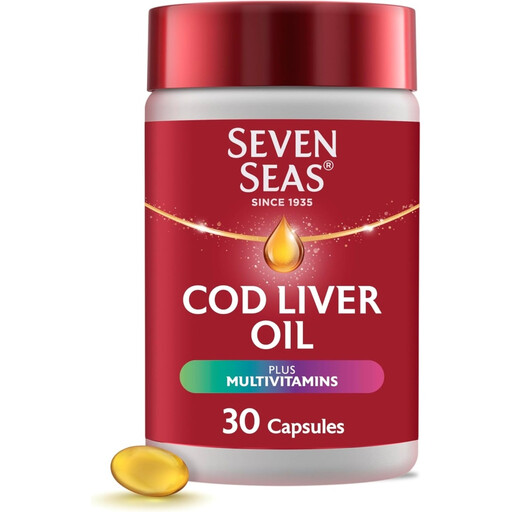
Why This Fits Their Persona: A straightforward option for adults and those over 12 who want omega-3 alongside a broader vitamin formula in a compact 30-capsule pack.
The panel states the omega-3, EPA and DHA amounts separately, avoiding confusion between total fish oil and active omega-3.
One capsule per day; includes cod liver oil and vitamins A, C, D, E and B vitamins. Contains fish.
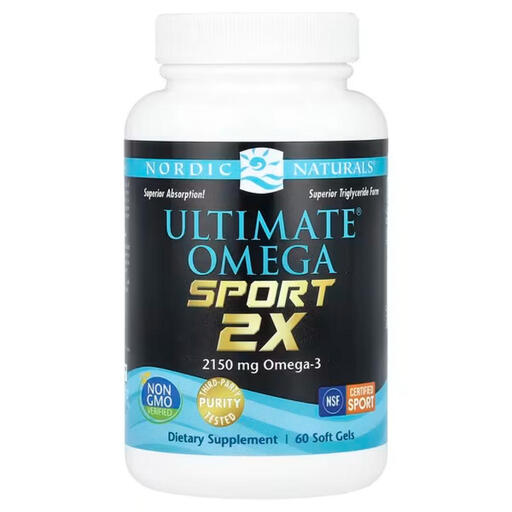
Why This Fits Their Persona: Suitable for adults who prefer a concentrated serving and are comfortable taking two softgels with food.
It clearly lists 2,150 mg total omega-3, including 1,640 mg EPA and 490 mg DHA per serving.
Uses re-esterified triglyceride form; sourced from anchovies and sardines. Contains fish and gelatine.
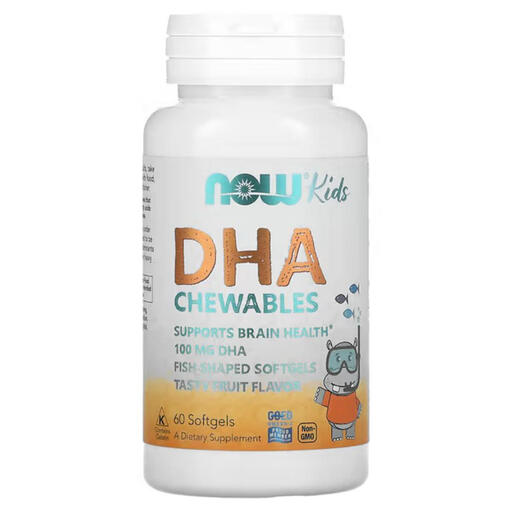
Why This Fits Their Persona: A chewable, fruit-punch flavoured format for children aged four and over who may not swallow standard capsules easily.
The product specifies its age guidance and gives DHA and EPA amounts for two softgels rather than presenting only the fish oil weight.
Provides 200 mg DHA and 48 mg EPA per two softgels; fish-shaped and fruit-flavoured. Contains fish and soya.
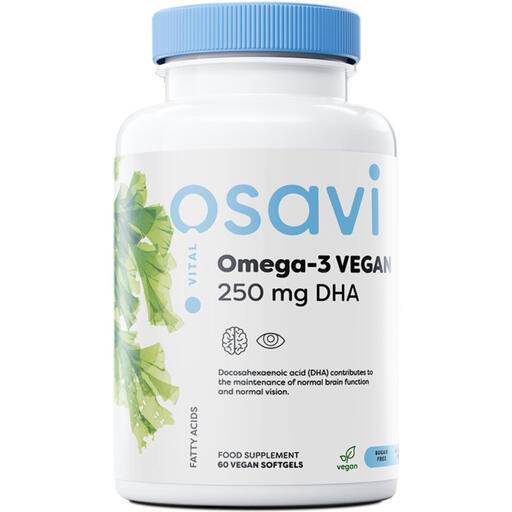
Why This Fits Their Persona: A plant-based DHA option for UK shoppers avoiding fish, gelatine, gluten, lactose or soya.
The source is stated as algae oil and the capsule is made with tapioca rather than gelatine, making the dietary positioning clear.
Provides 250 mg DHA per vegan softgel; free from gluten, lactose, soya and GMO ingredients according to the supplied product details.
Follow the serving instructions on the label. Most softgels are taken with food, while liquid products may require a measured dropper. Taking an oil-based supplement with a meal can fit more comfortably into a daily routine. Do not exceed the stated dose.
Check the packaging because storage instructions vary. Some liquid products should be refrigerated after opening and used within a stated period. Softgels should generally be kept in a cool, dry place away from direct sunlight. Do not use a product if its seal is broken, its appearance has changed or it is past the best-before date.
That depends on your diet and nutritional needs. Oily fish provides omega-3 as part of a varied diet, while supplements may offer a measured amount of EPA or DHA for people who rarely eat fish or prefer a specific format. Compare your existing supplements to avoid unnecessary duplication and ask a pharmacist or GP for individual advice when medication or pregnancy is involved.