
24/7 Customer Support

Free returns

Same-day & Next-day Delivery

Quality Guaranteed

Unlock Your Welcome Offers: FREE Delivery | Up to 80% OFF | Free 30-day JoyPlus trial
Download the APP
Choosing omega-3 supplements can be more complicated than comparing bottle sizes. Fish oil supplements, DHA supplements, algae omega-3 and omega-3 with vitamin D can look similar while offering very different amounts, formats and age suitability.
The right choice depends on the nutrients you actually need, how regularly you will take the product and whether the formulation fits your diet. This guide explains the key details to check before buying, along with our top recommendations for different household needs.
A capsule may contain 1,000 mg of fish oil but considerably less EPA and DHA. The useful comparison is the declared amount of EPA, DHA and total omega-3 per serving, not simply the oil quantity shown on the front of the pack.
For example, a product providing 1,250 mg of fish oil may list 750 mg of omega-3, including 375 mg EPA and 250 mg DHA. Another product may contain a similar oil weight but a different EPA-to-DHA balance.
High-strength omega-3 products are generally aimed at adults and may require only one or two softgels per day. They are not automatically appropriate for children, babies, pregnant people or anyone taking medication.
Products containing vitamin D also need careful comparison with other supplements. Taking several products with overlapping nutrients can lead to excessive intake. Always check the label and ask a pharmacist or healthcare professional if you take anticoagulants, have a medical condition, are pregnant or breastfeeding or are preparing for surgery.
Large softgels may be inconvenient for some users, while liquid omega-3 can be easier to measure for babies but requires careful storage after opening. Children may be more willing to take chewables or fruit-flavoured fish-shaped products, but these can contain sweeteners such as xylitol.
Check the age guidance, serving size, allergens, flavour, storage instructions and capsule materials before placing an order.
EPA and DHA are the two main long-chain omega-3 fatty acids found in many fish oil supplements. DHA is often prioritised in baby, child and pregnancy-related formulas, while some adult products provide a higher proportion of EPA.
Compare the amount per daily serving, not per capsule alone. A serving may mean one softgel, two softgels, several chewables or a measured quantity of liquid. For reference, some adult products in this range provide around 1,075–1,120 mg total omega-3 per serving, whereas a children’s product may provide 200–300 mg.
Fish oil supplements commonly use anchovies, sardines, mackerel, herring, tuna or salmon. Anyone with a fish allergy should avoid these products unless advised otherwise.
For a fish-free option, look for algae omega-3 made from microalgae such as Schizochytrium sp. Algae products can provide DHA alone or both DHA and EPA. Check whether the softgel is genuinely vegan, as some capsules use gelatine even when the oil itself comes from algae.
Vegetarian omega-3 options may also include plant oils, but not every plant-based oil provides the same EPA and DHA profile. Read the nutrition panel rather than relying on the word “vegetarian” alone.
For babies, a liquid with a marked dropper can make measured use simpler. For children, check the minimum age and whether the product must be chewed thoroughly. Adults may prefer mini softgels, once-daily capsules or a lemon-flavoured formula to reduce fishy aftertaste.
If choosing omega-3 with vitamin D, compare the vitamin D amount with your existing multivitamin or other fortified foods. A combined formula can be convenient, but it may not be appropriate when your routine already includes a separate vitamin D product.
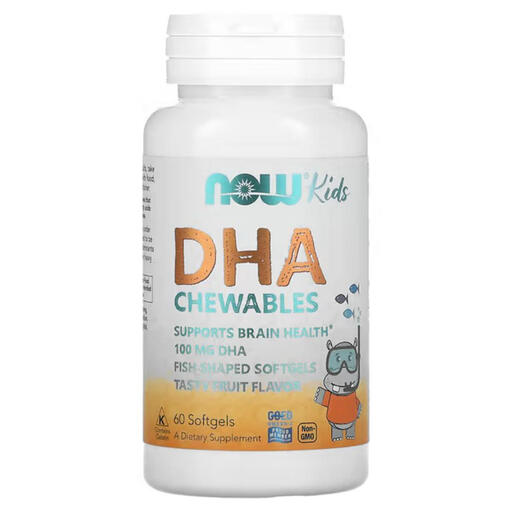
Why This Fits Their Persona: A chewable option for families introducing omega-3 supplements to children aged four and over, with two softgels per stated serving.
The label specifies 200 mg DHA and 48 mg EPA per two softgels, rather than relying only on a fish oil headline figure.
Fish-shaped chewable softgels, natural fruit punch flavour and clear guidance for children aged four and above.
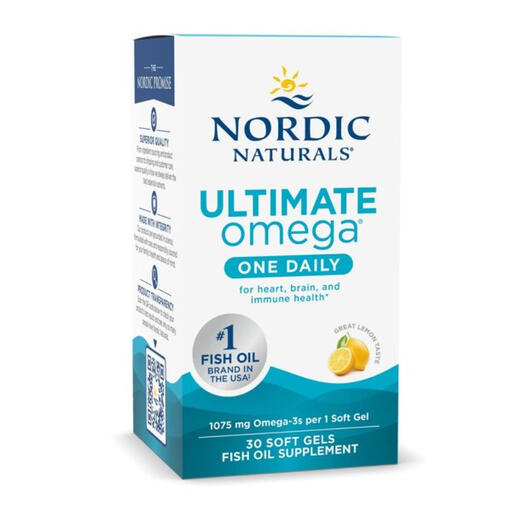
Why This Fits Their Persona: Suits adults wanting a once-daily high-strength omega-3 capsule with a lemon flavour and no separate serving calculation.
Its nutrition panel separates 1,075 mg total omega-3 into 562 mg EPA and 438 mg DHA per softgel.
One-softgel serving, lemon flavour and fish oil in re-esterified triglyceride form as stated on the product information.
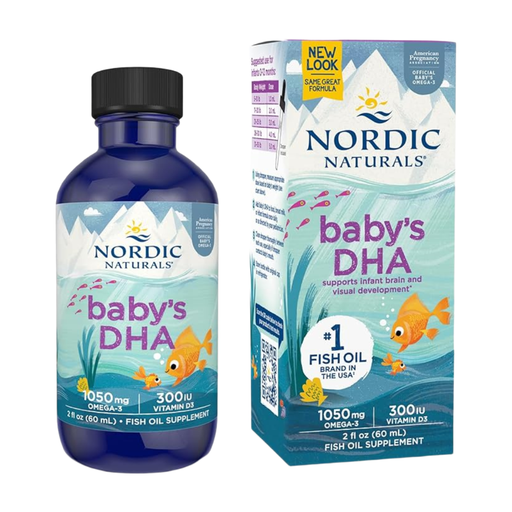
Why This Fits Their Persona: Designed for parents seeking a measured liquid format for infant supplementation, subject to label directions and healthcare guidance.
The product states a 1–5 ml daily range, a 5 ml maximum and refrigeration after opening, making dosage and storage requirements visible.
Per 5 ml, the listed nutrition information provides 485 mg DHA, 350 mg EPA and 7.5 mcg vitamin D3, with a dropper for measured use.
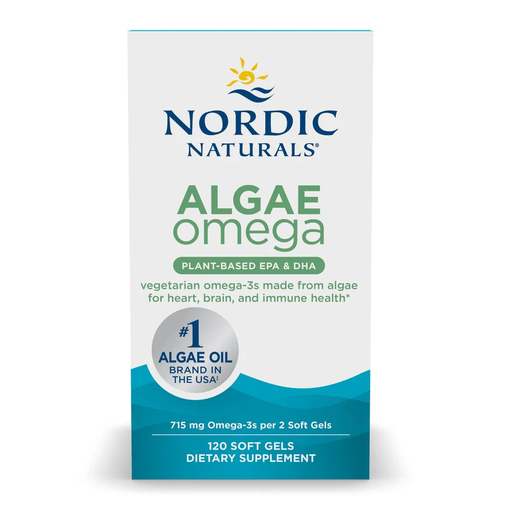
Why This Fits Their Persona: A fish-free choice for adults following vegetarian or vegan diets and seeking both EPA and DHA.
The listed source is marine algal oil rather than fish oil, and the product information identifies it as vegan.
Two-softgel serving supplies 715 mg total omega-3, including 195 mg EPA and 390 mg DHA.
We have compiled a complete, real-time list of products that fully satisfy these strict selection criteria and UK safety regulations.
Follow the serving instructions on the specific product label. Many capsules are taken with food, which can fit more easily into a main meal routine. Do not exceed the stated daily dose and avoid combining several fish oil supplements without checking their combined EPA, DHA and vitamin D content.
Shelf life varies. Check the best-before date and storage instructions. Liquid products may require refrigeration after opening and use within a specified period, while softgels are usually stored in a cool, dry place away from sunlight. The product label takes priority over general advice.
Some are, but verify both the oil source and capsule shell. Algae omega-3 may be vegan while other products use gelatine. Look for an explicit vegan statement and check the full ingredients list, especially if you need to avoid fish, milk, soya or other allergens.
Food supplements should not replace a varied, balanced diet and healthy lifestyle. Always read the supplied label before use.