
24/7 Customer Support

Free returns

Same-day & Next-day Delivery

Quality Guaranteed

Unlock Your Welcome Offers: FREE Delivery | Up to 80% OFF | Free 30-day JoyPlus trial
Download the APP
Choosing omega-3 fish oil supplements can seem straightforward until you compare EPA, DHA, serving sizes, fish-oil concentration, flavour and added nutrients. A large capsule count does not necessarily mean a high-strength formula, while a product labelled “premium” may provide less EPA and DHA than expected.
This guide explains the practical checks UK shoppers should make before buying, followed by Our Top Recommendations for 2026 for different needs and routines.
A capsule may contain 1,000mg of fish oil but considerably less combined EPA and DHA. These are the omega-3 fatty acids shoppers usually compare when assessing an EPA and DHA supplement.
For example, a product providing 1,000mg fish oil could contain around 300mg EPA and DHA combined, whereas a concentrated formula may provide over 1,000mg omega-3s per serving. Always look beyond the front-of-pack number and check the nutrition panel.
A 60-capsule pack may last 30 days if the suggested serving is two softgels, but 60 days if one capsule is recommended. Calculate the cost per daily serving, not simply the cost per pack.
This is particularly important for high-strength products. A two-softgel serving may deliver a larger dose, but a one-softgel formula could be easier to maintain if convenience is your main priority.
Fishy aftertaste is a common reason people stop taking fish oil. Lemon, orange, sweet orange or strawberry-flavoured options may make a daily routine more acceptable. Mini softgels can also be more manageable for people who find standard fish oil capsules difficult to swallow.
Buyers should also check whether the oil is supplied in triglyceride-form omega-3, re-esterified triglyceride (rTG) form or another formulation. The form is a technical difference worth noting, but it should not replace checking the actual EPA and DHA quantities, dosage and usage instructions.
For commercial comparison, EPA and DHA are the most useful figures. Some formulas focus on a balanced combination of both, while others have a deliberately higher EPA profile.
For instance, Nordic Naturals Ultimate Omega One Daily lists 562mg EPA and 438mg DHA in one softgel, while the Ultimate 2X Sport formula lists 1,640mg EPA and 490mg DHA per two-softgel serving.
Look for clear ingredient details, the fish species used and any stated purification process. Several products in this range use anchovies and sardines, while some also include mackerel or herring.
A high-purity fish oil product should provide transparent information about processing and storage. Product descriptions may refer to molecular distillation, antioxidant protection or third-party purity verification. Treat these as product-specific details and confirm the latest information on the packaging before purchase.
Sustainability may also influence your decision. The Nordic Naturals products listed here include Friend of the Sea certification information, while several formulas state that they use wild-caught fish. Certification marks and sourcing details should be checked on the current product label.
Some Vitamin D omega-3 supplements combine fish oil with vitamin D3. This may be convenient if you already want both nutrients, but avoid doubling up with another high-dose vitamin D product unless a healthcare professional advises you to do so.
Also check:
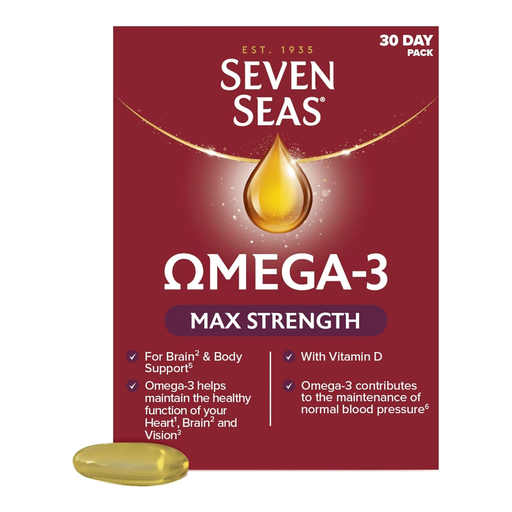
Why This Fits Their Persona: The 30-day pack and one-capsule daily direction offer a simple starting point for UK adults and teenagers over 12.
The label lists 688mg EPA and 313mg DHA per capsule, rather than relying only on the 1,250mg fish-oil figure.
Includes 10µg vitamin D and sweet orange oil flavouring in a 30-capsule format.
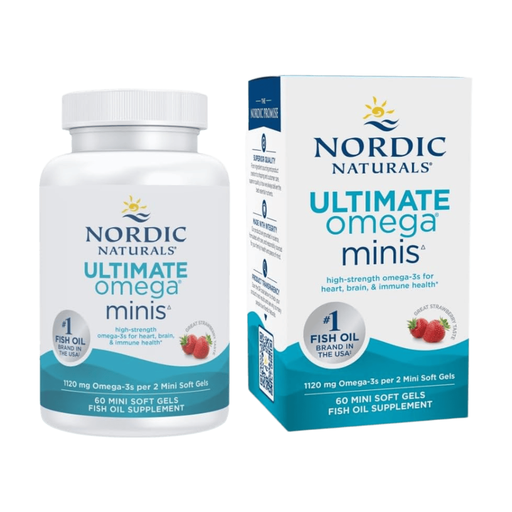
Why This Fits Their Persona: Adults wanting concentrated EPA and DHA with a smaller capsule format and strawberry flavour may find this easier to include in a daily routine.
Its serving panel states 1,120mg total omega-3, including 586mg EPA and 456mg DHA across two mini softgels.
Mini softgels, natural strawberry flavour and a formula listed as free from gluten and milk derivatives.
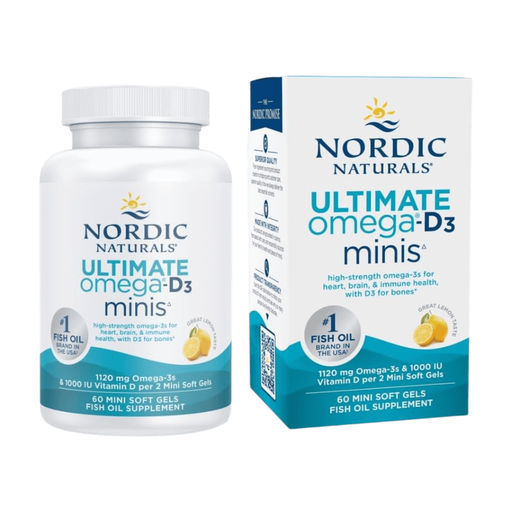
Why This Fits Their Persona: This lemon-flavoured option suits adults seeking EPA and DHA alongside vitamin D3 in one daily product.
The listing separates its 1,120mg omega-3 content from 25µg vitamin D3 per two-softgel serving.
Natural lemon flavour, mini softgels and stated EPA of 586mg plus DHA of 456mg per serving.
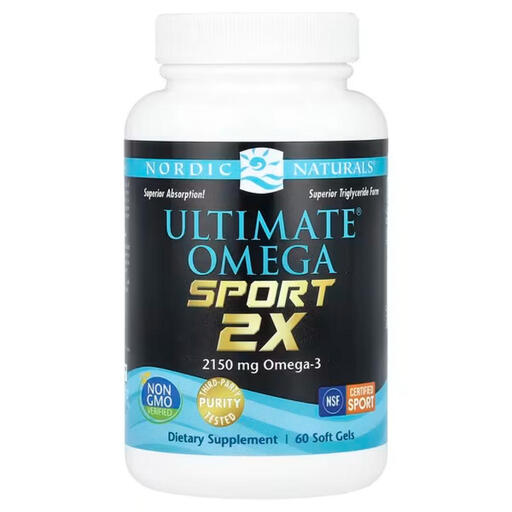
Why This Fits Their Persona: Adults with active routines who prioritise a concentrated serving may prefer this two-softgel format.
The serving information identifies 2,150mg total omega-3, comprising 1,640mg EPA and 490mg DHA.
High-EPA profile, triglyceride-form oil and a 60-softgel pack providing 30 stated servings.
We have compiled a complete, real-time list of products that fully satisfy these strict selection criteria and UK safety regulations.
Fish oil supplements are not suitable for people with a fish allergy. Check the ingredients, allergen statement and capsule shell before ordering. Products containing gelatine are not vegetarian or vegan.
If you are pregnant, breastfeeding, postnatal, taking anticoagulants such as warfarin, using regular medication or managing a medical condition, seek advice from a GP, pharmacist or other healthcare professional before use. Do not combine several fish-oil or vitamin D products without checking the total intake.
Store capsules according to the label, usually in a cool, dry place away from direct sunlight. Check the seal, batch information and best-before date when the product arrives. Formulations and instructions can change, so the current packaging should take priority over online summaries.
Shelf life depends on the manufacturer’s best-before date and storage conditions. Once opened, keep the container sealed and away from heat, humidity and sunlight. A 60-softgel product taken at two capsules daily generally represents 30 servings, but always follow the product label.
They can provide more EPA and DHA per serving, but the value depends on price, serving size and how consistently you use them. Compare the cost per daily serving and the combined EPA/DHA amount rather than fish-oil weight alone.
Some products combine both nutrients, while others contain omega-3 only. Check whether you already take a separate vitamin D supplement and ask a healthcare professional for advice if you take medication, are pregnant or breastfeeding, or have an underlying condition.