
24/7 Customer Support

Free returns

Same-day & Next-day Delivery

Quality Guaranteed

Unlock Your Welcome Offers: FREE Delivery | Up to 80% OFF | Free 30-day JoyPlus trial
Download the APP
Shopping for onion products can mean choosing anything from a jar of pickled onions to a freezer bag of battered onion rings. The right option depends on how you plan to use it, but attractive packaging does not always tell you what matters most.
A few common traps can lead to disappointing purchases:
Different onion products perform very different jobs:
Choosing by use case helps prevent buying a jar intended as a condiment when you really need a dry topping that can stay in the cupboard.
For UK shoppers, the ingredient list and highlighted allergen information are essential, especially when buying vegan onion products, vegetarian onion products or foods for guests with allergies.
Look for:
Never rely solely on a product title or marketing description. Recipes and packaging can change, so check the current label before purchase and consumption.
Texture is often the main reason for buying onion products, so storage instructions matter. Dry crispy onions should be resealed and protected from moisture. Some oils require refrigeration after opening, while pickled onions and chutneys may need to be refrigerated and consumed within a stated period.
Also check preparation details:
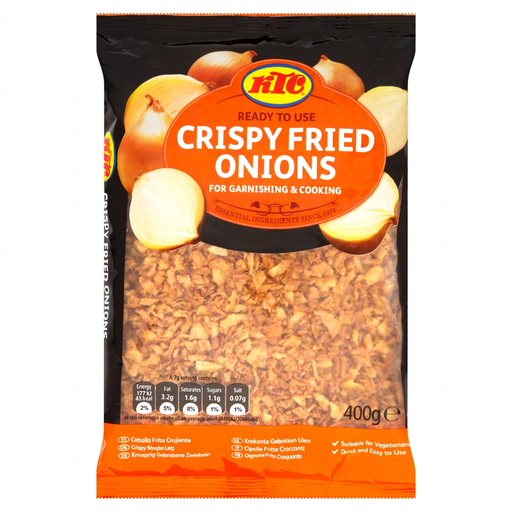
Why This Fits Their Persona: A 400g pack gives regular home cooks a practical cupboard ingredient for garnishing and cooking, without needing to fry onions from scratch for every meal.
The listed format is ready to use, so there is no separate preparation step. However, it contains wheat flour, making the allergen label important.
Ready for toppings or cooking; suitable for vegetarians according to the supplied product information.
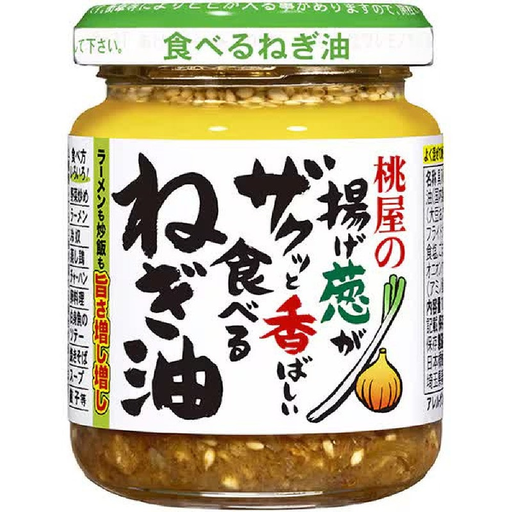
Why This Fits Their Persona: This Japanese seasoning oil suits food enthusiasts who want a concentrated finishing ingredient for ramen, rice, tofu, noodles and grilled vegetables.
It is clearly described as ready to use, while the storage guidance explains that it should be refrigerated after opening and consumed within one month.
Includes fried onions, fried garlic and roasted sesame; suitable for drizzling or use as a stir-fry base.
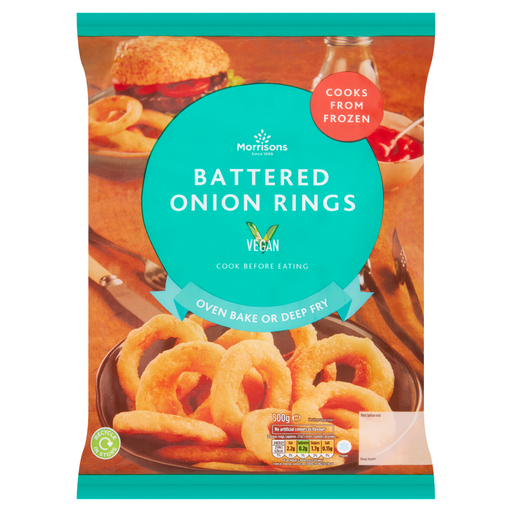
Why This Fits Their Persona: A 500g frozen pack is suited to family meals, burger nights and entertaining when several portions are needed.
The product is identified as frozen and ready to cook, not ready to eat. The instructions specify oven cooking at 220°C or 200°C fan for 12–14 minutes.
Contains 57% onion; can be cooked in an oven, air fryer or deep fryer according to the supplied information.
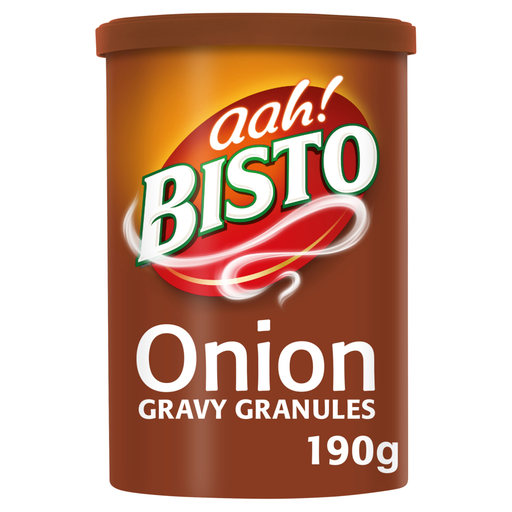
Why This Fits Their Persona: A convenient cupboard staple for shoppers preparing vegetarian or vegan roasts, pies, sausages and mash with limited preparation time.
Preparation is straightforward: add approximately 20g to 280ml of boiling water and stir. The label still needs checking because it contains wheat and soya.
Made in the UK; the supplied information describes it as suitable for vegetarians and vegans.
We have compiled a complete, real-time list of products that fully satisfy these strict selection criteria and UK safety regulations.
For entertaining, consider Cooks & Co Grilled Borettane Onions or Casalinga Borettane onions in balsamic vinegar. Their preserved format suits antipasti, pizzas, salads and cheeseboards, but check drained weight and refrigeration instructions after opening.
For snacks, options include Oishi Onion Rings, NongShim Onion Ring Snack, Laila Cheese and Onion Grills and Jacob’s Mature Cheddar & Onion Crackers. Compare pack size, milk or wheat allergens, salt content and whether the item is individually portioned.
For an aromatic topping, Asian Boy Fried Red Onions offers a dry, ready-to-use format, while Yunshan Ban Red Onion Oil is intended for noodles, stir-fries, dressings and dipping. Keep both protected from moisture and follow the storage guidance on the packaging.
Many are, but check the individual pack. Ready-to-use fried onions can be sprinkled directly over cooked food. Products such as frozen battered onion rings or onion bhaji require cooking and should not be treated as ready-to-eat toppings.
Store them according to the label. Morrisons Classic Pickled Onions, for example, should be refrigerated after opening and consumed within six weeks. Keep the onions covered by the pickling liquid where possible and use clean utensils.
Some are, including certain pickled onions, gravy granules and fried onion toppings, but suitability varies. Check for milk, whey, animal fats, fish-derived ingredients and allergen statements. A vegetarian label does not automatically mean vegan, and recipes can change.