
24/7 Customer Support

Free returns

Same-day & Next-day Delivery

Quality Guaranteed

Unlock Your Welcome Offers: FREE Delivery | Up to 80% OFF | Free 30-day JoyPlus trial
Download the APP
Shopping for onion snacks and products can involve far more than choosing between onion ring snacks and cheese and onion snacks. The same flavour profile appears in ready-to-eat crisps, frozen side dishes, cooking oils, onion chutney, gravy granules, stuffing and spring onion pancakes.
The challenge is matching the product to how you intend to use it. A small snack pouch may suit a packed lunch, while a frozen 500g bag is more useful for family meals. Meanwhile, a strongly seasoned onion oil can transform noodles but may be unsuitable if you need a mild, low-salt finishing ingredient.
Korean onion rings and puffed snacks are shelf-stable, ready-to-eat products made mainly from flour, starch, oil and onion seasoning. They are not the same as frozen battered onion rings, which contain a sliced onion centre and require oven, air fryer or fryer preparation.
Check the product format before ordering. Look for terms such as “ready to eat”, “keep frozen” or “cooking required”. A frozen side dish is not a practical substitute for a cupboard snack.
A large pack can appear economical, but its value depends on how quickly it will be used. Crispy products lose texture after opening if exposed to moisture. Smaller 40g or 50g packs may be more convenient for individual portions, while multipacks or 150g sharing bags are better suited to parties and family snack bowls.
For cooking products, consider portions rather than headline weight. A 230g jar of onion gravy granules is designed to make multiple servings, whereas an 80ml bottle of aromatic oil is intended for small additions to several dishes.
Words such as “light”, “natural” or “authentic” do not replace the ingredient list or nutrition panel. Onion snacks can contain wheat, sesame, soya, milk or other allergens. Some seasonings include flavour enhancers, while condiments such as onion chutney may contain notable amounts of sugar, salt or preservatives.
Always check the current UK packaging, particularly when buying for children, vegetarians, vegans or anyone with an allergy. Product information can change.
Use the following checklist:
Look for the percentage of the named ingredient where provided. Morrisons Battered Onion Rings list 57% onion, while Howdah Onion Bhaji lists 56% onion. These figures help distinguish products built around sliced onion from puffed or flour-based snacks that use onion powder for flavour.
Also check allergens in bold. NongShim Onion Ring Snack contains wheat and sesame. Oishi Onion Rings 40g contain wheat and soya, while Momoya Roasted Green Onion Oil contains soya and sesame. Products made without the 14 major allergens may still carry a “may contain” warning because of shared facilities.
Crispness depends on correct storage. Keep dry snacks in a cool, dry place and reseal them after opening. Refrigerate suitable oils and chutneys after opening when the label instructs you to do so. Frozen products should not be refrozen once thawed.
For a like-for-like comparison, nutrition panels are generally listed per 100g. For example, the supplied NongShim 90g information lists 479 kcal, 21g fat and 1.4g salt per 100g, while the Laila Party Mix Cheese & Onion 150g lists 482 kcal and 1.7g salt per 100g. These figures are useful for comparing products, but actual portions may vary.
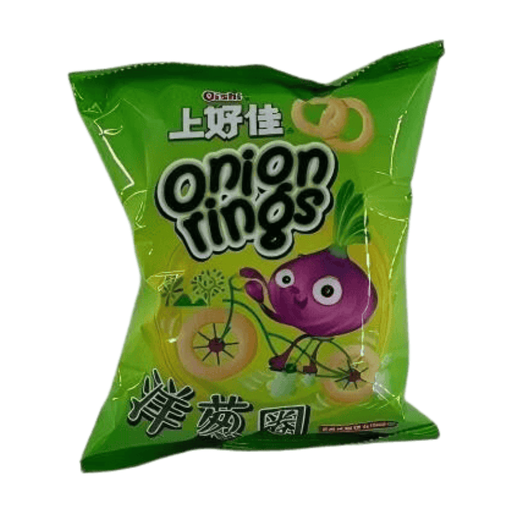
Why This Fits Their Persona: A compact format suits first-time buyers, desk drawers, packed lunches and controlled portion planning without committing to a large sharing bag.
The 40g net quantity makes the intended use clear, and it is ready to eat rather than a frozen cooking product. Check the wheat and soya allergen information before purchase.
Ready-to-eat ring-shaped snack; compact 40g pack; onion and soya sauce powder listed in the seasoning.
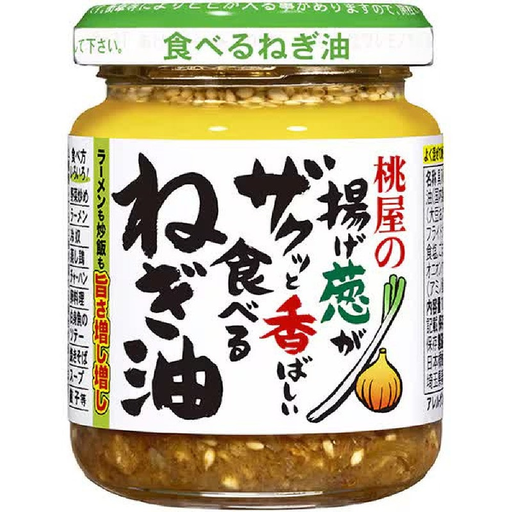
Why This Fits Their Persona: Suits cooks who want a textured finishing oil for ramen, rice, tofu, noodles or grilled vegetables rather than a single-purpose condiment.
The ingredient list identifies fried onions, fried garlic, roasted sesame seeds and burnt onion paste, so shoppers can assess the texture and allergen profile directly.
Ready to use; combines oil, fried onion and garlic texture; refrigerate after opening and consume within one month for optimal freshness.
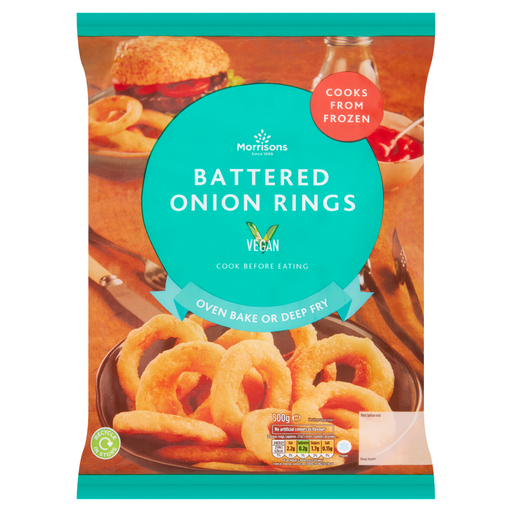
Why This Fits Their Persona: A 500g frozen bag works for family dinners, burger nights, party platters and shoppers who regularly serve onion rings as a side.
The pack clearly identifies frozen storage and cooking instructions, helping prevent the mistake of treating a frozen side as a ready-to-eat snack.
Lists 57% onion; cooks from frozen in an oven, air fryer or deep fryer; contains wheat gluten.
We have compiled a complete, real-time list of products that fully satisfy these strict selection criteria and UK safety regulations.
Usually, yes. Products labelled as onion ring snacks, including Korean onion rings and Oishi onion rings, are generally ready to eat from the packet. Always check the usage instructions because frozen onion rings and onion bhajis require cooking.
Follow the individual label. Some products advise refrigeration after opening, while others specify immediate consumption. Keep the container sealed, protect it from direct sunlight and use clean utensils to reduce contamination.
Onion chutney is a thick, usually sweet-and-sour condiment served alongside cheese, sandwiches, flatbreads or cooked dishes. Onion gravy granules are a dry mix combined with boiling water to make a savoury sauce. They serve different purposes and should not be selected interchangeably.