
24/7 Customer Support

Free returns

Same-day & Next-day Delivery

Quality Guaranteed

Unlock Your Welcome Offers: FREE Delivery | Up to 80% OFF | Free 30-day JoyPlus trial
Download the APP
Oolong tea sits between green and black tea, offering a wide range of flavours from floral and lightly roasted to fruity and full-bodied. For UK shoppers, the main decision is rarely just taste. You also need to compare sugar levels, serving format, pack size, storage requirements and whether the drink is brewed, concentrated or flavoured.
Marketing language can make similar-looking products appear interchangeable. These are the main pitfalls to avoid before adding oolong tea to your basket.
Peach oolong tea and fruit oolong tea can be refreshing, but fruit flavour does not mean low sugar. A 500ml bottled peach drink may contain considerably more sugar than an unsweetened tea. For example, the listed Master Kong Peach Oolong provides 36.5g of sugar per 500ml bottle, while the Suntory Zero Sugar Oolong Tea lists 0g sugar and 0 calories per 100ml.
Always check the nutrition panel rather than relying on terms such as “refreshing”, “natural” or “light”.
A jar such as Hengshoutang Honey-Refined Peach Oolong Tea is a concentrated tea preserve, not a bottled drink. It contains peach pulp, oolong tea leaves, sugar and honey, with 55g of sugar per 100g according to the supplied product information. It is designed to be mixed with water or used as a topping or spread.
By contrast, bottled oolong tea is already diluted and ready to serve. Buying a concentrate for immediate, unsweetened hydration could lead to disappointment and additional preparation.
An oolong tea multipack can be useful for offices, families and regular drinkers, but bottled products take up fridge and cupboard space. A 500ml x 15 case is convenient for individual servings, while a 1.25L x 6 pack is more suitable for sharing at home or serving with meals.
For occasional drinking, oolong tea bags may provide better flexibility and less packaging. Consider how quickly you will use the product, particularly after opening, when refrigeration and prompt consumption may be required.
For a sugar-free oolong tea, look for a nutrition panel showing 0g sugars per 100ml and check the ingredients list for sweeteners. “No sugar added” does not necessarily mean the drink contains no calories or naturally occurring sugars.
A low-sugar oolong tea may suit shoppers who prefer a softer taste without the sugar level of a conventional fruit drink. Suntory Low Sugar Oolong Tea lists 4.7g sugars per 100ml, which equals approximately 23.5g per 500ml bottle. Ripe Fruit Grapefruit Oolong Tea lists 2.0g sugars per 100ml, while still including fruit juice and syrup ingredients.
If you specifically want a zero-calorie tea, compare the energy value per 100ml and the full ingredient list. POKKA No Sugar Oolong Tea and several Suntory products list 0kJ/0kcal per 100ml.
Choose the format that matches how you drink tea:
Chinese oolong tea can include roasted or robust styles, while Japanese oolong tea drinks are often sold as smooth, chilled bottled beverages. These descriptions are broad rather than strict taste guarantees, so check the product details for the named tea variety.
Shuixian oolong is used in several Suntory products and is associated with a fuller tea profile in the supplied descriptions. Jasmine oolong tea adds a floral aroma, while peach and grapefruit versions introduce fruit notes and, in many cases, added sugar or juice.

Why This Fits Their Persona: A straightforward single-bottle option for shoppers who want to try unsweetened bottled oolong tea before buying a case.
The listed nutrition information shows 0g sugar and 0kJ per 100ml, making the label easier to assess than a sweetened fruit tea.
500ml ready-to-drink format; ingredients list includes water, oolong tea and ascorbic acid.
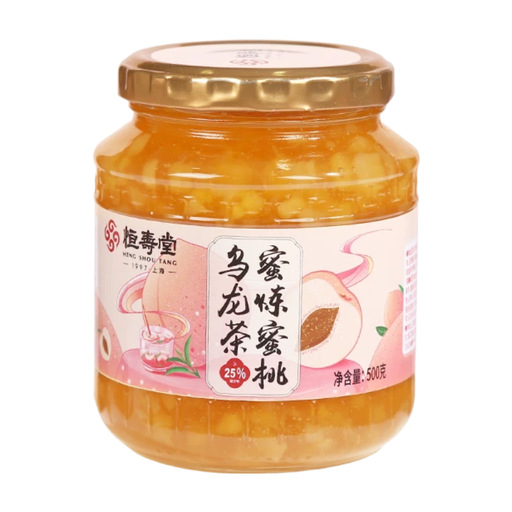
Why This Fits Their Persona: Suits tea drinkers who enjoy a more traditional preserve-style product and want flexibility beyond a standard bottle.
It is clearly presented as a 500g concentrate with peach pulp, sugar and honey, so it should not be confused with sugar-free bottled tea.
Visible peach pulp; can be mixed with hot or cold water or used as a dessert topping.

Why This Fits Their Persona: A practical case format for offices, households and shoppers who regularly choose individual ready-to-drink bottles.
The product format and nutrition information are clear: 15 bottles of 500ml, with 0g sugar, fat and calories listed per 100ml.
Portable 500ml bottles; made with oolong tea leaves including premium Shuixian tea.

Why This Fits Their Persona: A convenient choice for kitchens and offices where people prefer freshly infused cups rather than storing bottled drinks.
The serving instructions specify one 3g sachet per cup and a 3–5 minute infusion, removing uncertainty around preparation.
24 individually portioned tea bags; camellia provides a floral aroma alongside the oolong base.
We have compiled a complete, real-time list of products that fully satisfy these strict selection criteria and UK safety regulations.
Not always. Plain bottled tea products such as POKKA No Sugar and selected Suntory drinks list 0g sugar per 100ml. Peach oolong tea and other fruit versions may contain sugar, syrup or juice. Check both the nutrition table and ingredients before buying.
Follow the instructions on the pack. The Tea Story Camellia Oolong Tea Bags listing recommends one 3g teabag per cup in boiling water for 3–5 minutes. Steeping for longer may produce a stronger or more astringent cup, so adjust the time to your taste.
It can be practical when several people drink ready-to-drink tea regularly or when bottles are needed for work and packed lunches. Compare the total volume, storage space and use-by guidance. For occasional consumption, tea bags or a single bottle may reduce waste and provide more flexibility.