
24/7 Customer Support

Free returns

Same-day & Next-day Delivery

Quality Guaranteed

Unlock Your Welcome Offers: FREE Delivery | Up to 80% OFF | Free 30-day JoyPlus trial
Download the APP
As a Joybuy Product Recommendation Officer, my role is to help you navigate the crowded shelves of ready-to-drink beverages. The rise of the bottled oolong tea drink in the UK offers a fantastic alternative to fizzy drinks and sugary juices. However, not all options are created equal. Many shoppers, seeking a healthier choice, can fall into common purchasing traps.
This guide will help you understand what to look for in a quality ready to drink oolong tea, ensuring you get a refreshing and authentic experience without the hidden downsides.
Before you add a bottle to your basket, be aware of these frequent issues that can lead to a disappointing purchase:
To make an informed choice, focus on these three core parameters. They are the true indicators of what is inside the bottle.
This is the most critical factor. Always check the "Carbohydrates (of which sugars)" value per 100ml on the nutritional panel.
The ingredients list is your best friend. For an authentic taste, look for:
While not a guarantee, certain brands have built a reputation for quality in the oolong iced tea UK market. Brands with roots in East Asia, such as Suntory oolong tea and Nongfu Spring Oriental Leaf, are often formulated to deliver a more traditional and less overly sweetened tea profile, which many consumers appreciate.
To help you start, we have matched a few standout options to different preferences.
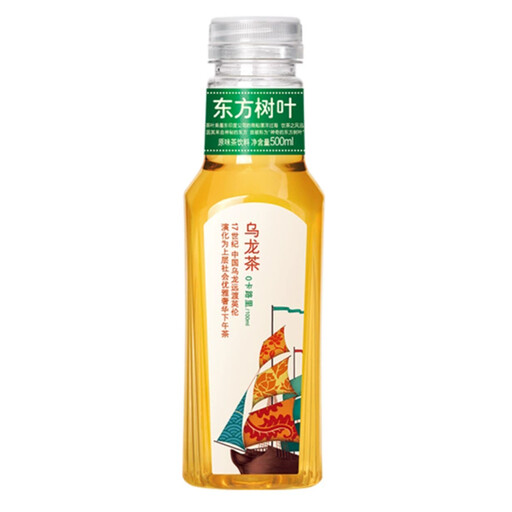
Why This Fits Their Persona: This is for the individual who wants the pure, unadulterated taste of tea. It is a zero-sugar, zero-calorie option that delivers an authentic Chinese tea experience, perfect for daily hydration without any dietary compromise.
It directly counters the "hidden sugar" and "weak tea" traps. Its formula is explicitly zero sugar and uses 100% tea leaf extraction for a robust, genuine flavour.
Authentic, full-bodied oolong taste with no sweeteners or additives. It is pure, refreshing hydration.
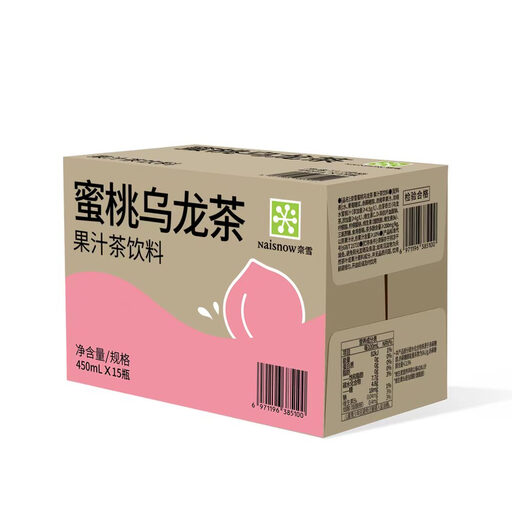
Why This Fits Their Persona: For those who enjoy a fruity twist but are still mindful of their sugar intake. This drink provides the popular peach oolong tea flavour in a light, refreshing format that is a much better choice than a sugary fizzy drink.
It is transparent about its contents, qualifying as a low sugar tea drink (4.8g/100ml). It also uses concentrated peach and apple juice, avoiding the "artificial flavouring" pitfall.
A well-balanced fruit and tea taste with only 20 kcal per 100ml. It is also enriched with vitamins B6 and Nicotinamide.

Why This Fits Their Persona: This is for the person who loves the bubble tea trend and is looking for a fun, textural experience. It is a treat-oriented drink that combines the flavour of peach oolong with the novelty of juice-filled popping boba.
This drink is not pretending to be a health product. It avoids the "boring flavour" trap by offering a unique textural element, making it an exciting and enjoyable beverage choice for a special occasion.
The inclusion of popping boba provides a fun, interactive drinking experience that you will not find in a standard bottled oolong tea.
We have compiled a complete, real-time list of products that fully satisfy these strict selection criteria and UK safety regulations.
The healthiness of a bottled oolong tea depends entirely on its ingredients. A zero calorie iced tea made from real tea extract with no added sugar can be a very healthy and hydrating choice. Conversely, many fruit-flavoured versions can be high in sugar and should be consumed in moderation. The key is to always read the nutritional information, specifically the sugar content per 100ml.
Most ready to drink oolong tea is shelf-stable, meaning it can be stored in a cool, dry cupboard before being opened. However, for the most refreshing experience, it is highly recommended to serve them chilled. Once a bottle is opened, it should be kept in the refrigerator and consumed within 24-48 hours, as advised on the packaging.
"Black oolong" is a term often used to describe a dark oolong tea that has been heavily roasted. This process develops a deeper, toastier and more robust flavour profile, with less of the floral or green notes you might find in a more lightly oxidised oolong. Brands like Nongfu Spring Oriental Leaf offer a popular black oolong tea, which is ideal for those who enjoy a stronger, more full-bodied tea taste.