
24/7 Customer Support

Free returns

Same-day & Next-day Delivery

Quality Guaranteed

Unlock Your Welcome Offers: FREE Delivery | Up to 80% OFF | Free 30-day JoyPlus trial
Download the APP
Looking for oolong tea drinks that work for the office, school, commuting or meals? Ready-to-drink tea is convenient, but the label can make comparison difficult. A peach-flavoured bottle may contain more sugar than expected, while a “zero” drink may use sweeteners or have a stronger roasted flavour than you prefer.
This guide focuses on the practical details that matter when selecting ready-to-drink oolong tea, including sugar levels, bottle size, ingredients and storage.
Peach oolong tea and other fruit oolong tea drinks often combine tea extract, juice concentrate, sugar or syrup and flavourings. The fruit description does not indicate the sugar content. For example, Nongfu Spring Peach Oolong Tea lists 9.8g of sugars per 100ml, equivalent to approximately 49g in a 500ml bottle based on the supplied nutrition information.
If you prefer a sweeter drink, this may suit occasional enjoyment. For frequent use, compare the complete bottle’s nutrition rather than relying on words such as “refreshing” or “natural”.
These terms describe different products. A sugar-free oolong tea should show 0g sugars in its nutrition information, while a low-sugar oolong tea still contains some sugar. Suntory Low Sugar Oolong Tea, for example, lists 0.5g sugars per 100ml, whereas its Zero Sugar 500ml x 15 multipack lists 0g sugars and 0kcal per 100ml.
Also check the ingredients list. Some sugar-free drinks may contain sweeteners, while others rely only on brewed tea, tea extract and permitted additives.
An oolong tea multipack can be useful for a household, workplace or regular commuter, but a case of 15 bottles takes more storage space and may not suit someone who is still deciding on a flavour. Large 1.25-litre or 2-litre bottles are more appropriate for sharing or keeping in the fridge, but less convenient for a school bag or day trip.
UK shoppers should read the nutrition panel and calculate the full serving where necessary. A 500ml bottle contains five times the listed 100ml values. Focus on:
The front label is useful for quick selection, but the ingredients and nutrition panels provide the more practical comparison.
Chinese oolong tea and Japanese oolong tea drinks can differ in roast, aroma and finish. Darker or roasted teas may taste fuller and more savoury, while fruit blends such as peach oolong tea or grapefruit oolong usually have a sweeter, more aromatic profile.
Look for whether the product uses oolong tea leaves, tea extract or concentrate, and whether fruit juice, sugar, syrup or sweeteners are included. This helps set expectations before opening the bottle.
For commuting, school or outdoor use, a 420ml to 500ml bottle is easy to carry and generally suitable for one occasion. For offices, family meals and entertaining, a 1.25-litre or 2-litre bottle can reduce the need to open several individual bottles. Once opened, follow the product’s storage guidance; several listed drinks recommend refrigeration and consumption within 12 or 24 hours.
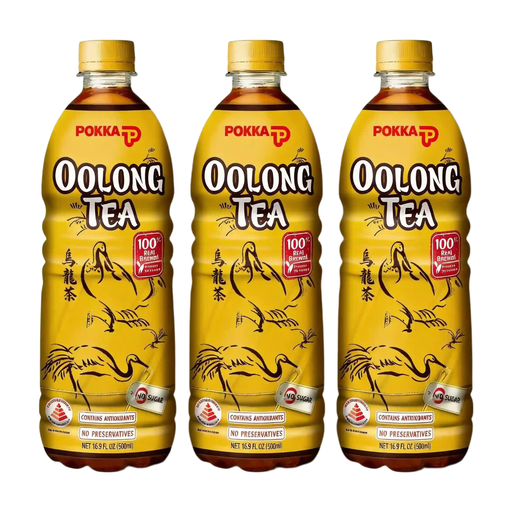
Why This Fits Their Persona: A three-bottle format lets first-time buyers try sugar-free oolong tea without immediately committing to a large case. It suits lunch breaks, commuting and keeping a few bottles at home.
The supplied nutrition information lists 0g sugar and 0kJ per 100ml, making the format easier to assess than a sweetened fruit drink.
Three 500ml bottles; ingredients list water, oolong tea and vitamin C, with no listed sugar.

Why This Fits Their Persona: This Japanese-style bottled oolong tea multipack is suited to shoppers who want a tea-forward drink for work, meals and regular use.
Its supplied nutrition panel states 0g sugar, fat and calories per 100ml, avoiding the ambiguity of “lightly sweetened” wording.
15 portable 500ml bottles; ingredients include oolong tea leaves and no listed sugar.
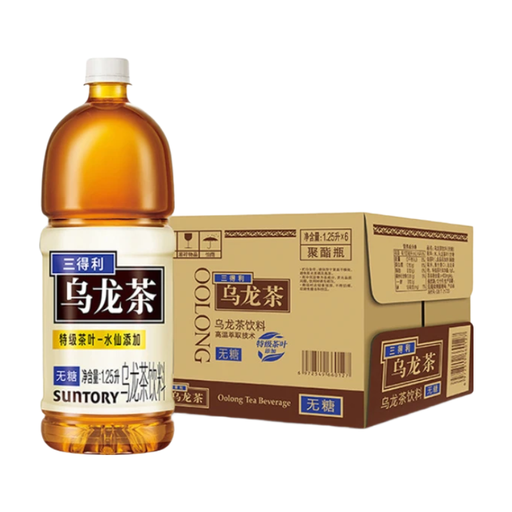
Why This Fits Their Persona: The larger format works for family meals, office fridges and gatherings where several people may want unsweetened tea.
The nutrition information states 0g sugar and 0kcal per 100ml, while the six-bottle case makes the total quantity clear.
Six 1.25-litre bottles; suitable for sharing and storing at home or in an office.
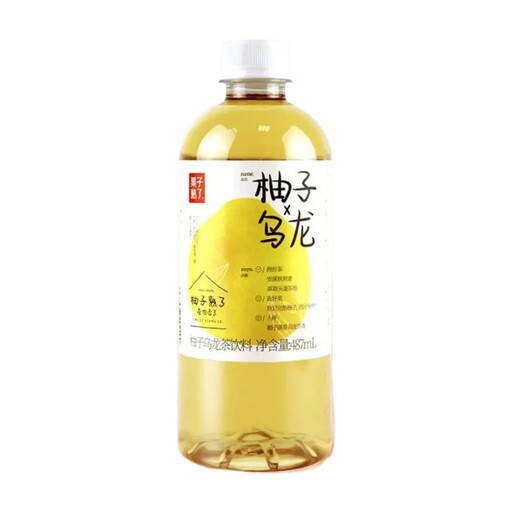
Why This Fits Their Persona: A practical option for shoppers who want fruit oolong tea with a lighter sweetness for meals, outdoor activities or afternoon refreshment.
The listing specifies 2.0g sugar per 100ml, allowing a clearer comparison with sweeter peach and fruit tea drinks.
487ml PET bottle; includes oolong tea leaves, apple juice and grapefruit juice.
We have compiled a complete, real-time list of products that fully satisfy these strict selection criteria and UK safety regulations.
That depends on the product and your preferences. Unsweetened options list 0g sugar, while fruit and sweetened versions can contain considerably more. Read the nutrition panel, consider bottle size and vary your drinks as appropriate.
Not automatically. Many listed products show 0kcal and 0g sugar per 100ml, but shoppers should verify the individual product label. A drink may also contain sweeteners or other permitted ingredients, so check the full ingredients list.
Follow the instructions on the packaging. Several products recommend refrigeration after opening and consumption within 12 or 24 hours. Unopened bottles should generally be kept in a cool, dry place away from direct sunlight, unless the label states otherwise.