
24/7 Customer Support

Free returns

Same-day & Next-day Delivery

Quality Guaranteed

Unlock Your Welcome Offers: FREE Delivery | Up to 80% OFF | Free 30-day JoyPlus trial
Download the APP
For many of us in the UK, from runners on city streets to professionals in open-plan offices, traditional earbuds present a frustrating dilemma. In-ear models can cause discomfort after just an hour and dangerously block out traffic or colleagues, while over-ear headphones are often too bulky for an active lifestyle. This has led to a surge in the popularity of open-ear clip-on earbuds, a design that promises both comfort and awareness.
However, the market is now flooded with options, and not all are created equal. Many buyers find themselves disappointed with a product that fails to live up to its promises. As a Joybuy Product Recommendation Officer, my role is to help you navigate the marketing jargon. Before you spend your money, be aware of these three common pitfalls that can lead to a poor purchase.
To avoid these traps, focus on a few core parameters that determine the real-world performance and longevity of wireless ear clips.
The single most important factor for comfortable wireless earbuds that also stay put is the design of the clip itself. Look beyond generic claims of an "ergonomic fit" and check the materials. Models using flexible silicone or a memory titanium alloy in their structure are far more likely to conform to your unique ear shape without causing pressure. This adaptability is what creates earbuds that don't fall out, providing a secure anchor for activities like running or cycling.
Understanding IP ratings is essential for choosing durable sports earbuds with ambient sound. The rating consists of two numbers, but for earbuds, the second digit (water resistance) is most important.
Always look for the manufacturer's stated playback time on a single charge. For all-day use or long activities, a minimum of 6 hours per charge is a good benchmark. Anything less may lead to frustration. The total time with the case is a secondary convenience, but the single-charge duration dictates your uninterrupted listening time.
Instead of a generic list, we've matched specific models to the people they are designed for. This helps you find a product that solves your specific needs and avoids the common pitfalls.
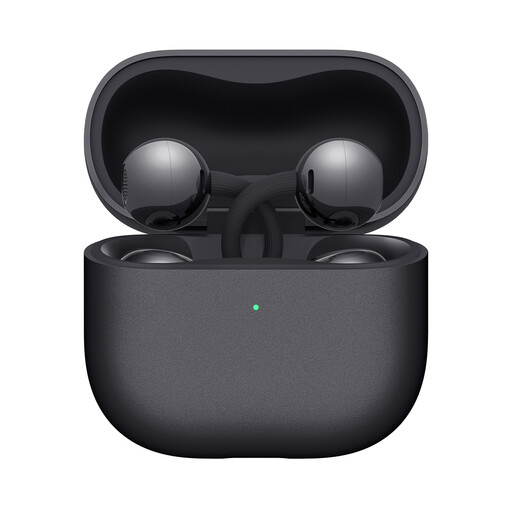
Why This Fits Their Persona: Ideal for dedicated UK runners and cyclists who need a secure fit and protection from the elements. The C-bridge design offers stability during high-impact activity, while the open-ear form is crucial for hearing traffic and maintaining situational awareness.
Its IP57 rating for the earbuds provides robust dust and water resistance, far exceeding the minimal protection of IPX4 models. The 9-hour single-charge battery life is clearly stated and delivers on the need for long, uninterrupted use.
Excellent battery endurance per charge and a high level of water resistance make it a reliable choice for serious outdoor training.
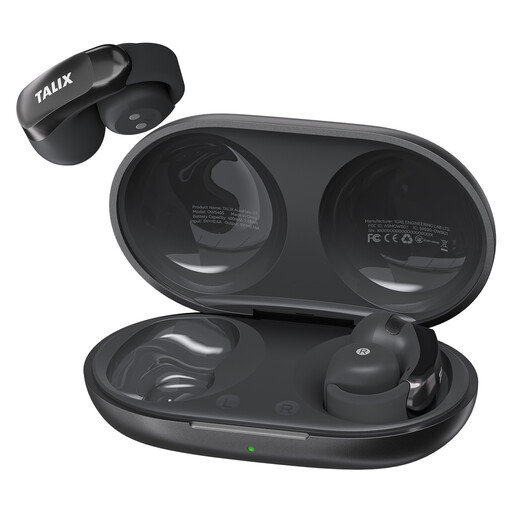
Why This Fits Their Persona: Designed for professionals who switch between commuting, online meetings and office work. The ultra-lightweight build and focus on call clarity with a 4-microphone array are perfect for all-day wear without fatigue, while remaining aware of office chatter or platform announcements.
The soft silicone earhook directly counters the "one-size-fits-all" trap by providing a flexible, pressure-free fit. Its stated 7-hour single-charge battery life is a reliable metric that meets the demands of a full workday, avoiding the misleading "total life" claims.
Emphasis on clear voice calls with a 4-mic array and noise reduction algorithms. The IPX4 rating is sufficient for commuting and light exercise.

Why This Fits Their Persona: A great entry point for those curious about the open-ear concept or who find traditional in-ear buds painful. It prioritises a lightweight, comfortable fit for casual daily activities like walking, podcast listening and hands-free calls without a significant financial commitment.
The "spherical clip-on design" is engineered specifically to avoid inserting anything into the ear canal, directly addressing the primary pain point of discomfort. It offers a solid 6.5-hour single-charge battery life, providing a reliable and transparent performance metric.
Focuses on delivering the core benefits of the open-ear design—comfort and awareness—in a lightweight and accessible package.
We have compiled a complete, real-time list of products that fully satisfy these strict selection criteria and UK safety regulations.
The security of ear clip headphones comes from their unique mechanical design. Unlike earbuds that rely on friction inside your ear canal, these models use a gentle clamping force on the outer ear (the pinna). The most secure designs feature a flexible C-shaped bridge or hook made from materials like silicone or memory titanium that wraps around the cartilage, providing a stable anchor point that resists movement from running or jumping.
There is a trade-off. Air conduction headphones and other open-ear designs prioritise situational awareness over noise isolation. Because they don't seal the ear canal, the bass response may feel less intense compared to a traditional in-ear monitor. However, high-quality models compensate with large audio drivers and directional sound technology that focuses the audio towards your ear, delivering clear vocals and a rich soundstage for music and podcasts. They are designed for blending your audio with the world, not blocking it out.
This is a common concern known as sound leakage. At low to moderate volume levels in an environment with some ambient noise (like an office, a train or a city street), sound leakage from modern open ear headphones for running is typically minimal. They are engineered to direct sound waves towards your ear canal. However, in a very quiet setting like a library, if you listen at a high volume, it is possible for those in close proximity to hear faint audio. The key is to use a considerate volume level appropriate for your surroundings.