
24/7 Customer Support

Free returns

Same-day & Next-day Delivery

Quality Guaranteed

Unlock Your Welcome Offers: FREE Delivery | Up to 80% OFF | Free 30-day JoyPlus trial
Download the APP
For years, the choice in personal audio has been a compromise. Do you opt for immersive sound that isolates you from your surroundings, or do you forgo music to stay aware of the world around you? For runners on busy streets, cyclists navigating traffic or office workers who need to hear colleagues, this is a daily dilemma. Open-ear headphones offer a practical solution, delivering your favourite audio without blocking your ear canals.
This guide is designed to help you understand this growing category of audio tech. We will explore the key features to consider and present a few standout options that cater to different needs, from intense workouts to all-day office comfort.
Navigating the options can be tricky. Here are a few key points to consider before making a choice.
Open-ear headphones primarily use one of two technologies to deliver sound:
How you plan to use your headphones will determine the best fit.
Your headphones should be able to keep up with you. An IP (Ingress Protection) rating is a straightforward way to gauge a device's resistance to dust and water. For workout headphones, a rating of IPX4 (splash-proof) is a good starting point, while IP55 or higher indicates they are sweatproof headphones that can handle more demanding conditions.
Here are a few models that showcase the variety and innovation available in the open-ear category.

Why It Stands Out: The Soundcore AeroClip uses an innovative open-ring, clip-on design that rests gently on the ear without entering the canal. This makes them exceptionally comfortable for extended periods. They feature 12mm titanium-coated drivers and support for Hi-Res audio, delivering a surprisingly rich sound profile for an open-ear model. Directional acoustic technology helps to minimise sound leakage, keeping your calls and music more private.
Pros:
Who is it for? Professionals, commuters and anyone seeking a comfortable, non-intrusive audio solution for long-term wear without sacrificing call or sound quality.
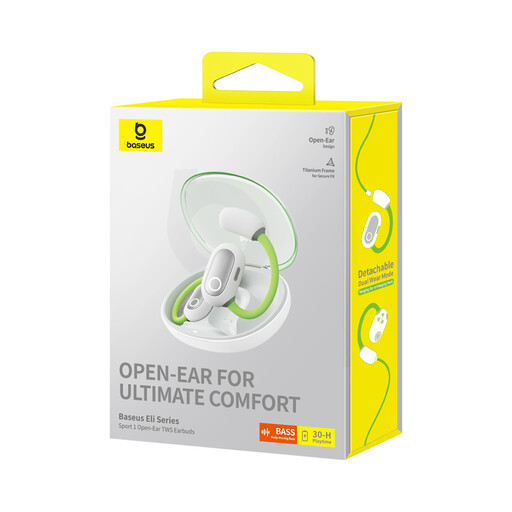
Why It Stands Out: The Baseus Eli Sport 1 offers impressive versatility. It can be used as two independent true wireless earbuds or connected with an included silicone neckband for added security during intense activity. The large 16.2mm diaphragm driver in each earbud is designed to produce powerful, clear audio. With up to 30 hours of total playback time with the charging case, they are built for endurance.
Pros:
Who is it for? Active users who want the freedom of true wireless earbuds for casual use and the security of a neckband for their workouts.
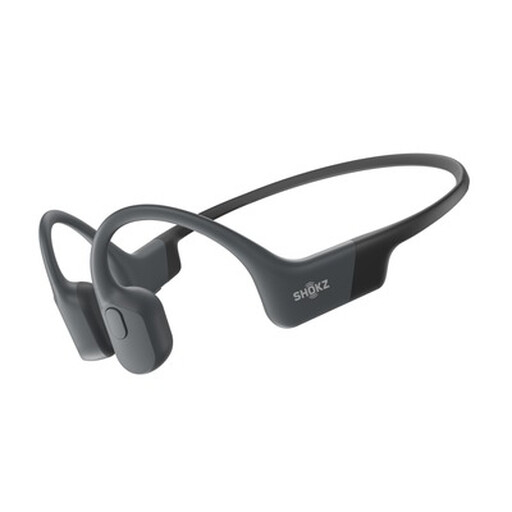
Why It Stands Out: Shokz is a well-regarded name in bone conduction technology, and the OpenRun model is a prime example of why. It offers a lightweight, secure-fit frame that is ideal for high-impact activities. Its IP67 waterproof rating means it can withstand heavy sweat and rain without issue. The open-ear design provides maximum situational awareness, a critical safety feature for outdoor athletes. A quick-charge function provides 1.5 hours of playback from just a 10-minute charge.
Pros:
Who is it for? Dedicated runners, cyclists and outdoor enthusiasts who prioritise safety and a budge-proof fit above all else.
While these three models represent some of the great choices available, the world of personal audio is vast. If you're looking for a different style, feature set or price point, you can find a wider selection to suit your needs.
Explore our complete range of Headphones and headsets to discover more options.
1. Is the sound quality of open-ear headphones comparable to traditional earbuds? Open-ear headphones are engineered to balance audio performance with situational awareness. While they may not provide the same level of bass or noise isolation as in-ear models that create a seal, modern advancements have closed the gap significantly. Features like large drivers and Hi-Res audio support, found in models like the Soundcore AeroClip, deliver a full and satisfying listening experience for most users.
2. Can people nearby hear my music or calls? This is a common concern known as 'sound leakage'. While it can happen at very high volumes, reputable open-ear headphones are designed with directional audio technology that focuses the sound towards your ear. This minimises leakage, making them suitable for use in shared spaces like offices or on public transport at moderate volume levels.
3. Are bone conduction headphones safe for your ears? Bone conduction is a safe and established technology that delivers sound without blocking the ear canal. The primary safety benefit of all open-ear headphones is their ability to keep you connected to your environment. However, as with any audio device, it is important to listen at a responsible volume to protect your long-term hearing health.