
24/7 Customer Support

Free returns

Same-day & Next-day Delivery

Quality Guaranteed

Unlock Your Welcome Offers: FREE Delivery | Up to 80% OFF | Free 30-day JoyPlus trial
Download the APP
Tired of earbuds that fall out during your run or leave your ears feeling sore after a long day of calls? Perhaps you're a cyclist or city-dweller who needs to hear traffic while listening to a podcast. Traditional in-ear and over-ear headphones can isolate you from your surroundings, which isn't always ideal for safety or comfort.
This is where open-ear headphones come in. These devices deliver audio without blocking your ear canal, offering a unique blend of personal sound and environmental awareness. Whether you're looking for running headphones that stay put, a comfortable all-day solution for work or even a pair of smart audio glasses with advanced features, the market is full of innovative options. This guide is designed to help you understand the technology and find a model that fits your lifestyle.
Navigating the world of headphones that don't go in your ear can seem complex. Here are a few key considerations to help you make an informed decision.
Most open-ear audio devices use one of two main technologies:
Consider how you plan to use your headphones. Key specifications to look for include:
As the Joybuy Product Recommendation Officer, I've filtered through the options to highlight a few standout models that cater to different needs.
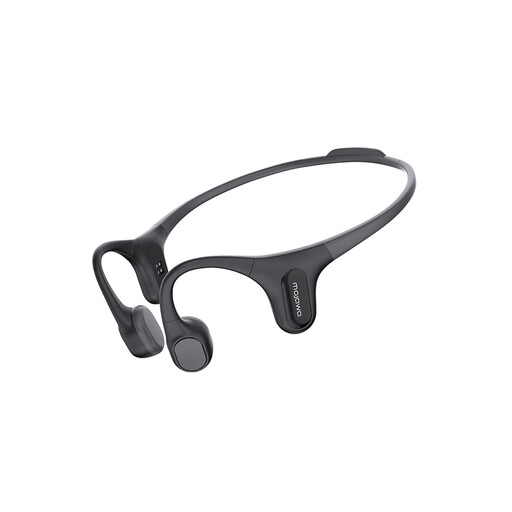
Why It Stands Out: The Mojawa RunPlus is built for the serious athlete. Its main differentiator is the IP68 waterproof rating, making it one of the few open-ear options genuinely suitable for swimming. It also includes 32GB of internal MP3 storage, so you can leave your phone in the locker and enjoy music underwater where Bluetooth can't reach. The secure fit is designed to stay in place during vigorous activities like running and gym workouts.
Pros:
Who is it for? Swimmers, triathletes and runners who need a durable, waterproof audio solution that doesn't require a phone.
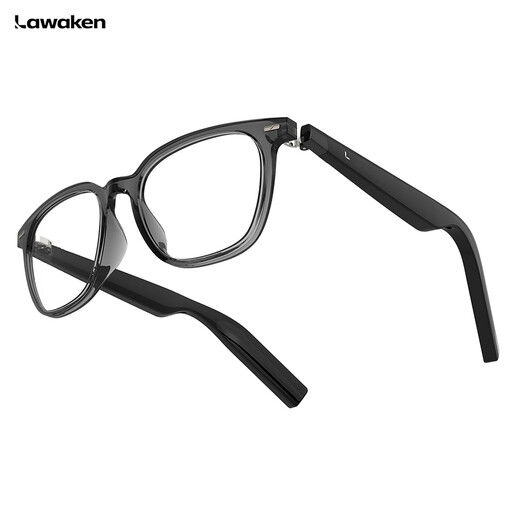
Why It Stands Out: The LAWAKEN AI Chat City glasses represent the next step in wearable technology. More than just headphones, they are a productivity tool. These AI translator glasses support real-time translation for 128 languages, making them an excellent companion for international travel. For professionals, the AI Note feature can record and summarise meetings, while the integrated AI agent provides hands-free assistance. The open-ear audio is delivered discreetly through the frames, and the design is compatible with prescription lenses.
Pros:
Who is it for? Tech-savvy professionals, frequent travellers and anyone looking for a hands-free, screen-free way to stay connected and productive.
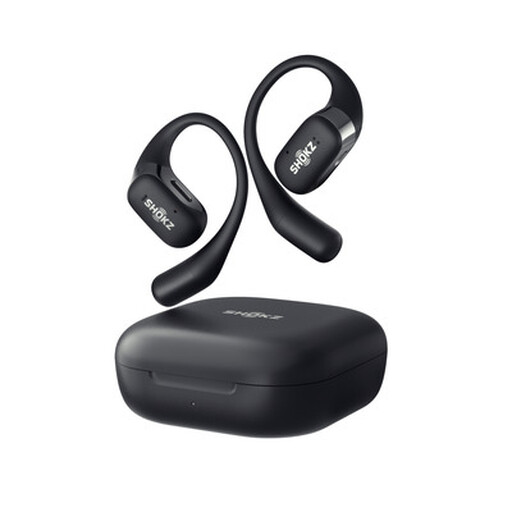
Why It Stands Out: The Shokz OpenFit uses air conduction technology, which the brand calls DirectPitch, to deliver a rich audio experience while keeping your ears open. These are designed for all-day comfort, weighing just 8.3g per earbud. The flexible ear hook provides a secure fit without the pressure of a full headband, making them ideal for users who wear glasses. With an IP54 sweatproof rating and up to 28 hours of total listening time with the charging case, they are a versatile choice for office work, home use and general fitness.
Pros:
Who is it for? Individuals seeking a balance of comfort, audio quality and situational awareness for daily use, from office calls to light workouts.
The world of open-ear audio is constantly evolving. If these specific models don't quite match what you're looking for, there are many other styles and feature sets to consider.
Explore our full range of daily electronics to discover more audio solutions tailored to your needs.
1. Can other people hear my music with open-ear headphones? Sound leakage was a concern with early models, but modern open-ear headphones have greatly improved. At normal listening volumes, sound leakage is minimal and generally unnoticeable to people nearby. However, if you are in a very quiet environment with the volume turned up high, some faint sound may be audible.
2. Are open-ear headphones a safer option for hearing? Because they don't seal the ear canal, they can help reduce the risk of ear infections and pressure build-up associated with some in-ear models. In terms of hearing damage, the risk is related to volume and duration, not the type of headphone. Listening to any audio device at excessively high volumes for prolonged periods can potentially harm your hearing. It is always advisable to listen at a moderate level.
3. What is the main difference between bone conduction and air conduction? The primary difference is how they deliver sound. Bone conduction sends vibrations through your cheekbones directly to your inner ear. Air conduction uses targeted speakers to direct sound waves through the air into your ear canal, just like traditional headphones but without blocking the ear. The choice between them often comes down to personal preference for fit and audio feel.