
24/7 Customer Support

Free returns

Same-day & Next-day Delivery

Quality Guaranteed

Unlock Your Welcome Offers: FREE Delivery | Up to 80% OFF | Free 30-day JoyPlus trial
Download the APP
Open-ear sports headphones can make outdoor listening more comfortable, particularly when you need to hear traffic, fellow runners, station announcements or conversations. However, product listings often use terms such as “waterproof”, “secure fit” and “long battery life” without explaining what those claims mean in everyday UK conditions.
Before buying, watch for three common traps:
Bone conduction headphones transmit vibrations through contact points near the cheekbones, leaving the ear canals uncovered. They are often suitable for runners and cyclists who prioritise situational awareness. Sound can seem less full than with sealed in-ear models, especially in noisy areas, and correct positioning is important.
Wireless open-ear headphones and open-ear earbuds use small speakers positioned near the ear rather than inside the canal. They can provide a more conventional music presentation while allowing ambient sound through. Clip-on and ear-hook designs vary considerably, so check the fit system before ordering.
For commuting, gym sessions and everyday podcasts, open-ear earbuds may offer convenient controls and charging cases. For outdoor routes, a wraparound bone conduction design may stay more stable during repeated movement.
Look for the IP rating, rather than relying on “waterproof” in a title. The first digit refers to solids such as dust, while the second relates to water protection.
Bluetooth signals do not normally transmit reliably underwater. If you want swimming headphones with MP3, choose a model with built-in storage and use offline playback. Dry the charging port fully before connecting a cable.
A secure-fit design should remain stable when you turn your head, run downhill or perform gym exercises. Flexible neckbands can be practical for running and cycling, while adjustable or rotatable ear hooks may suit users who prefer clip-on earbuds.
Consider:
A smaller version may help users with a narrower head, but sizing should be checked against the manufacturer’s information where available.
Compare single-charge playback with total case-supported battery life. A model offering eight hours from the headphones may be more useful for a long run than one quoting a larger total that includes several case recharges.
For phone calls, check for a built-in microphone and noise-reduction features, but remember that wind and traffic can still affect call clarity. High-resolution codecs such as LDAC may require a compatible phone and suitable audio settings. In busy outdoor areas, keep volume at a level that allows you to remain aware of nearby hazards.
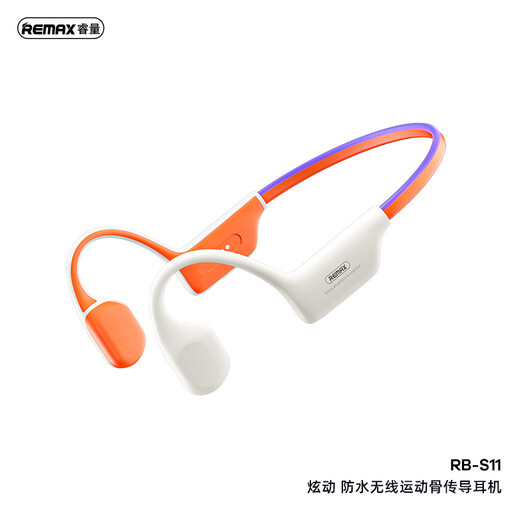
Why This Fits Their Persona: A straightforward choice for runners, gym users and commuters wanting open-ear listening without an in-ear seal. The orange finish may also improve visibility when exercising outdoors.
Its listing specifies IPX5, making the water claim more practical for sweat, rain and splashes rather than swimming.
Bluetooth 5.3, flexible titanium frame, built-in microphone and up to six hours of continuous playback.
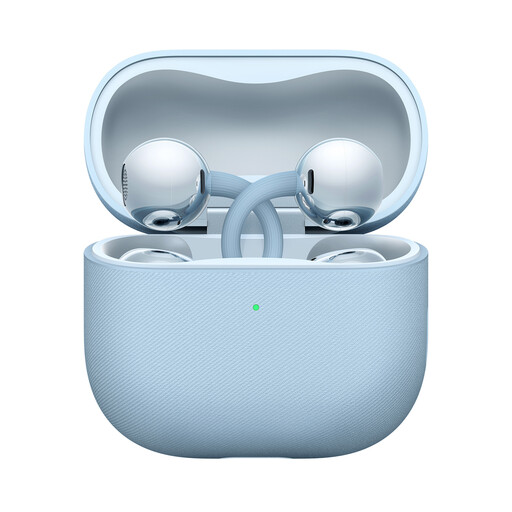
Why This Fits Their Persona: Designed for people who move between work, commuting and leisure listening and want clip-style comfort with detailed controls and dual-device connectivity.
The listing separates the IP57 earbuds from the IP54 case and specifically advises against swimming or showering.
Approximately 5.1g per earbud, up to nine hours’ music playback, Bluetooth 6.0 and wireless case charging.
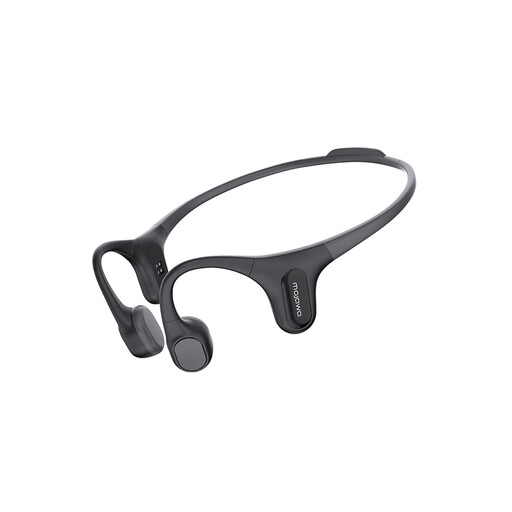
Why This Fits Their Persona: A practical match for swimmers and athletes who need music away from a phone, including pool sessions where Bluetooth cannot maintain a connection.
Its IP68 rating is paired with instructions to use MP3 mode for swimming and avoid deep diving beyond the specified depth.
Built-in 32GB MP3 storage and open-ear bone conduction design for running, swimming, cycling and gym sessions.

Why This Fits Their Persona: Suitable for listeners switching between exercise, calls and everyday use who want adjustable ear hooks and multipoint pairing.
The IP55 specification covers dust and water resistance, providing a clearer reference than a general sweat-resistant label.
Up to 10 hours per charge, 40 hours with the case, Bluetooth 5.4, LDAC support and multipoint connection.
We have compiled a complete, real-time list of products that fully satisfy these strict selection criteria and UK safety regulations.
They can be suitable for running because they leave the ear canal uncovered and may help you hear nearby sounds. Choose a secure-fit frame or ear-hook design, keep the volume controlled and remain attentive to traffic and other path users.
Bluetooth usually does not work reliably underwater. For swimming, select a model specifically designed for that use and follow its instructions. Headphones with built-in MP3 storage can play downloaded audio without a live Bluetooth connection.
Replacement depends on battery health, physical wear, moisture exposure and charging habits. Keeping the charging port dry, avoiding excessive heat and storing the headphones safely can help maintain performance. If playback time falls noticeably or the frame no longer fits securely, compare replacement options rather than continuing to use damaged equipment.