Gym-goers who want something fizzy
After an ordinary session, an orange-flavoured sparkling drink can be a flavour choice alongside water. Compare its sugars and juice content rather than assuming the orange name means it is juice.


After an ordinary workout, choose water for your main hydration and treat a sparkling orange drink as a matter of flavour preference, checking its juice content, sugars and serving size. If you need to refuel quickly between demanding sessions, the British Dietetic Association advises carbohydrate-rich foods and fluids; neither a fizzy orange drink nor a serving of still juice is a complete recovery plan on its own.
The useful distinction is whether you want fizzy refreshment, orange juice itself or food and fluid for quick refuelling.
After an ordinary session, an orange-flavoured sparkling drink can be a flavour choice alongside water. Compare its sugars and juice content rather than assuming the orange name means it is juice.
When the next demanding session is close, assess food and fluid intake together. The British Dietetic Association advises starting to refuel with carbohydrate-rich foods and fluids promptly when quick recovery is required.
Still 100% orange juice is a different purchase from a carbonated orange soft drink. NHS guidance recommends limiting fruit juice and smoothies to a combined 150ml a day; frequent sipping of fizzy drinks also raises an acidity consideration for teeth, according to Lancashire and South Cumbria Integrated Care Board.
Decide whether the drink is for flavour, for orange juice itself or alongside prompt refuelling. Then compare the container size with the nutrition information, not just the drink name.
Choose it when: You want orange juice rather than orange-flavoured fizz.
Bear in mind: It is not sparkling, and NHS guidance limits juice and smoothies to a combined 150ml a day.
Choose it when: Fizzy orange flavour matters more to you than carbohydrate refuelling or a serving of juice.
Bear in mind: Lancashire and South Cumbria Integrated Care Board says fizzy drinks remain acidic even without sugar.
Choose it when: You want a sweeter, carbonated drink and its labelled serving fits your preferences.
Bear in mind: Juice content and sugars vary by product; a sweet drink alone does not cover a demanding recovery meal and fluids.
| Priority | What to check | Your needs |
|---|---|---|
| Recovery or refreshment | Consider how soon you will train again and whether you need food as well as fluid. The British Dietetic Association advises prompt carbohydrate-rich foods and fluids when quick recovery is required. | For an ordinary workout, I mainly want a drink I enjoy alongside water. With another demanding session soon, I need to plan food and fluids rather than rely on fizz. |
| Juice content | Check the ingredients and stated juice percentage. ASDA lists 16% orange juice from concentrate in Sanpellegrino Orange; Joybuy lists 4% in Fanta Orange Zero Sugar. Neither is 100% orange juice. | If I am buying orange juice itself, an orange-flavoured soft drink is not an interchangeable choice. |
| Sugars and serving size | Compare sugars per 100ml and for the amount you will drink. ASDA lists 14.5g sugars per 330ml can of Sanpellegrino Orange. For still juice, NHS guidance limits juice and smoothies to a combined 150ml a day. | I want to know what is in the whole can or bottle, not judge my serving from the per-100ml figure alone. |
| Drinking pattern | Consider whether you tend to sip fizzy drinks repeatedly between meals. Lancashire and South Cumbria Integrated Care Board says their acidity can wear tooth enamel even when they contain no sugar. | If I prefer orange fizz, a defined serving suits me better than repeatedly sipping it throughout the day. |
Orange-flavoured drinks can have different juice percentages and ingredients. ASDA lists 16% juice from concentrate for Sanpellegrino Orange, while Joybuy lists 4% for Fanta Orange Zero Sugar.
Read the ingredients, juice percentage and sugars on the particular pack if the distinction matters to you.
A drink alone does not establish that food and fluid needs are covered after demanding or closely spaced sessions. The British Dietetic Association advises starting carbohydrate-rich foods and fluids soon after exercise when quick recovery is needed.
Plan the drink alongside food and other fluids according to your training schedule, rather than choosing by a recovery-sounding description.
Lancashire and South Cumbria Integrated Care Board says carbonated drinks are acidic and that even diet fizzy drinks can wear enamel.
Consider how often you sip fizzy drinks between meals, even when the label says zero sugar.
A larger serving contains more sugar than its per-100ml figure alone indicates: ASDA lists 14.5g sugars in a 330ml can of Sanpellegrino Orange.
Check the full container amount before choosing a sparkling drink, and measure still juice against the NHS combined 150ml daily guidance for juice and smoothies.
These examples show different kinds of orange drink; a brand name alone does not tell you whether a particular product is sparkling, 100% juice or lower in sugar.
Sanpellegrino Orange is a juice-containing sparkling soft drink rather than still 100% orange juice.
M&S describes its Sparkling Brazilian Orange as carbonated spring water blended with Brazilian orange juice.
Tesco describes Orangina Sparkling Orange as a citrus-juice drink with orange pulp and zest.
Tesco describes Tropicana Smooth Orange Juice as still, 100% pressed orange juice that is not from concentrate.
Tesco lists innocent Smooth Orange Juice as still, 100% fruit juice that is not from concentrate.
These options are orange-flavoured fizzy soft drinks and orange-infused sparkling water for post-workout refreshment, not a selection of still 100% orange juices or complete recovery drinks. Check each pack if juice content or sugars determine your choice.
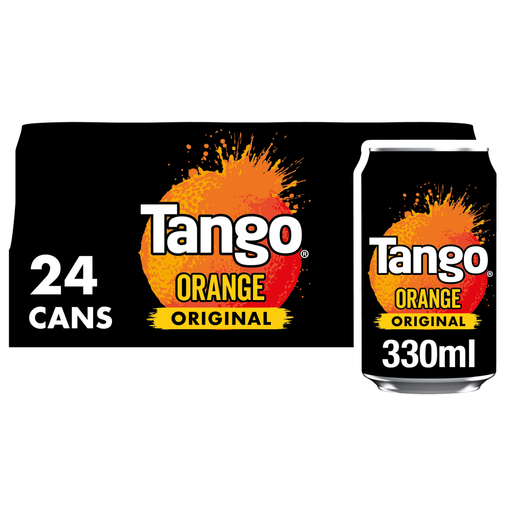 No image available
A multipack of orange fizzy drink for someone choosing a canned refreshment after exercise. Check the juice content and sugars for a full 330ml can if you are comparing it with still orange juice or other soft drinks.
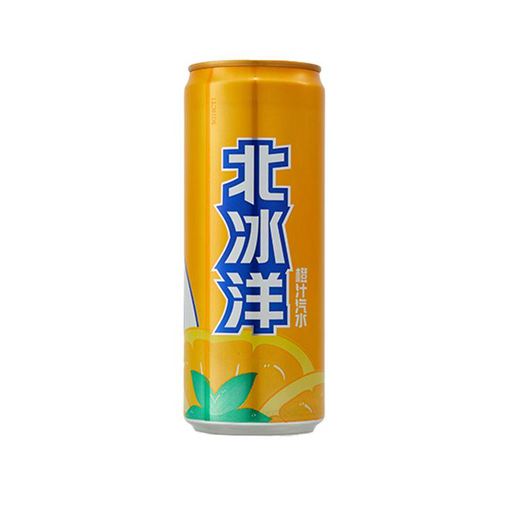 No image available
Consider this orange juice soda if you want fizz rather than still juice after a workout. Confirm the juice percentage and sugars for the whole 330ml serving on the current pack before comparing it with another drink.
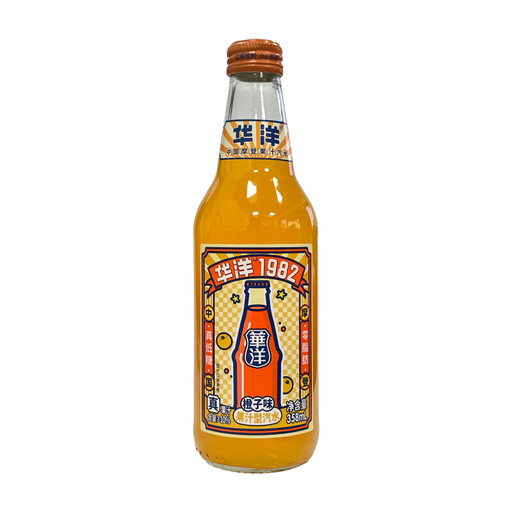 No image available
An orange-flavoured juice soda for a fizzy refreshment choice. If juice content or the sugar in a full bottle matters to you, check those details on the current 358ml pack.
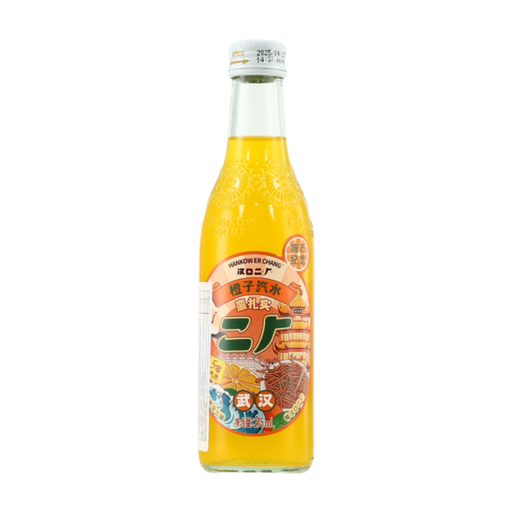 No image available
A 275ml orange-flavoured soda for someone seeking a smaller individual fizzy drink. Check the current pack’s juice and nutrition details if you need a precise comparison with other orange drinks.
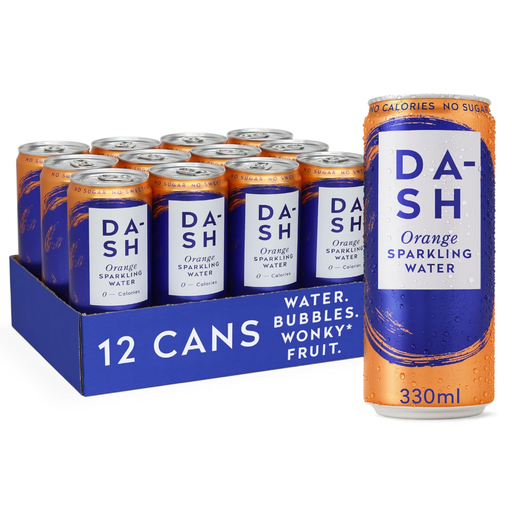 No image available
Choose this orange-infused sparkling water for fizz and orange flavour rather than a serving of orange juice. If carbohydrate refuelling matters after a demanding session, assess it alongside your food and other fluids; sparkling water is not a recovery meal.
Not by itself when you need to refuel quickly between demanding sessions. The British Dietetic Association advises carbohydrate-rich foods and fluids soon after exercise in that situation. For an ordinary workout, choose a fizzy orange drink for flavour if you wish, use water for your main hydration and check the drink’s label.
Read the ingredients and stated juice percentage, not just the orange flavour description. ASDA lists 16% orange juice from concentrate in Sanpellegrino Orange, while Joybuy lists 4% in Fanta Orange Zero Sugar; neither is equivalent to 100% orange juice.
The NHS recommends limiting fruit juice and smoothies to a combined 150ml a day. That amount counts as one portion towards 5 A Day; drinking more juice does not add further portions.
No. Lancashire and South Cumbria Integrated Care Board says fizzy drinks are acidic and that even diet fizzy drinks can wear tooth enamel. Consider how frequently you sip them between meals as well as their sugar content.
Not necessarily. The British Dietetic Association says people following a general fitness programme can usually meet carbohydrate needs through their normal diet. Carbohydrate-rich foods and fluids become more relevant when quick recovery is required, particularly between closely spaced bouts of exercise.