Hosts pouring drinks for a group
A sharing bottle may be convenient when guests want fizzy orange drinks by the glass. Check the bottle size, ingredients and instructions for handling it outdoors.


For a BBQ, choose a sparkling orange drink if fizz matters: a larger bottle suits pouring for a group, while cans give guests individual servings. Check the orange-juice percentage, sugars and sweeteners on the exact pack, because an orange-flavoured fizzy drink is not necessarily orange juice. Still 100% orange juice meets a different brief.
A sharing bottle may be convenient when guests want fizzy orange drinks by the glass. Check the bottle size, ingredients and instructions for handling it outdoors.
A no-added-sugar drink can still contain some sugars and sweeteners. Compare the sugars figure per 100ml and the ingredients list; individual cans also make the amount served clear.
If orange-juice content matters more than a familiar fizzy-drink format, compare the declared percentage on each pack. Decide separately whether the drink must be sparkling: 100% orange juice is a still alternative.
Decide whether fizz or 100% juice is essential, then compare labels on the same per-100ml basis and choose a pack format that works at the BBQ.
| Priority | What to check | Your needs |
|---|---|---|
| Orange content | Read the product description and declared juice percentage. Sanpellegrino states that Aranciata contains 16% orange juice from concentrate; Ocado lists 20% juice for Galvanina Organic Orange. Tesco lists 2.3% orange juice from concentrate for its Fanta Orange 1.5L product. | I want to know whether I am buying a fizzy orange-flavoured drink or a drink with more orange juice, rather than judging by the word ‘orange’ alone. |
| Sugars and sweeteners | Compare sugars per 100ml, not just the front-of-pack wording, and read the ingredients for sweeteners. Marks & Spencer and Ocado describe M&S Diet Sparkling Orange Crush as having no added sugar; Sanpellegrino says Aranciata contains sugar and a sweetener. | If sweeteners matter to my guests, I need the ingredients list as well as any no-added-sugar claim. |
| Pack and handling | Choose between a bottle for pouring and separate servings. Check the container material and follow instructions for chilling, opening and keeping the drink away from heat. | For a group, I may prefer a bottle to pour from; for separate servings, cans are easier to hand out. Glass needs consideration around an outdoor eating area. |
| Still juice or fizz | Check whether carbonation is required. Tropicana describes Smooth Orange as 100% pressed fruit juice, but it is still; NHS guidance limits fruit juice and smoothies together to 150ml a day. | When I specifically want a fizzy drink, still juice will not replace it. If I choose juice instead, serving size matters. |
Orange-flavoured sparkling drinks have different declared juice contents. Tesco lists 2.3% orange juice from concentrate for Fanta Orange 1.5L, while Sanpellegrino states 16% for Aranciata and Ocado lists 20% juice for Galvanina Organic Orange.
Choose whether fizz or juice content matters more, then check the percentage on the exact product you intend to serve.
A no-added-sugar claim does not replace the sugars figure on the nutrition panel. A drink may also contain sweeteners.
Read both the sugars row per 100ml and the ingredients list when comparing drinks for guests.
Still 100% orange juice is a different choice from a sparkling soft drink. The NHS advises limiting fruit juice and smoothies together to 150ml a day.
If serving juice, plan portions with that guidance in mind and offer other drinks alongside it.
A bottle for sharing, individual cans and small glass bottles call for different serving arrangements. Carbonated containers also need to be handled according to their pack instructions.
Check whether glass suits the setting, chill drinks as directed and avoid shaking pressurised bottles before opening.
These product examples show how sparkling soft drinks and still juice differ; a brand name alone does not establish the contents of another product in its range.
Diet Sparkling Orange Crush is a no-added-sugar sparkling orange drink; Ocado lists a 1L bottle.
Aranciata and Zero Blood Orange offer different sparkling citrus choices.
Ocado lists Organic Orange Sparkling Beverage in a 200ml bottle.
Tesco lists Fanta Orange 1.5L as a sparkling orange fruit drink.
Smooth Orange is a still-juice alternative when 100% orange juice matters more than fizz.
These fizzy orange drinks come in individual-size bottles or multipacks suitable for handing out at a BBQ. Compare each current label if orange-juice content, sugars or sweeteners will determine your choice.
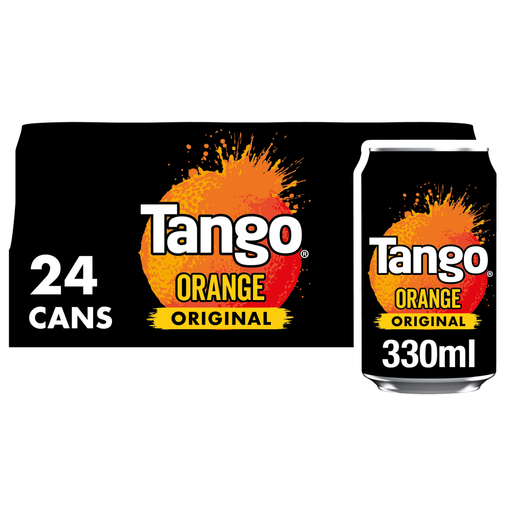 No image available
The 24 x 330ml multipack is an option when you want separate fizzy orange servings for a larger group. Check the current pack for its orange content, sugars, sweeteners and handling instructions.
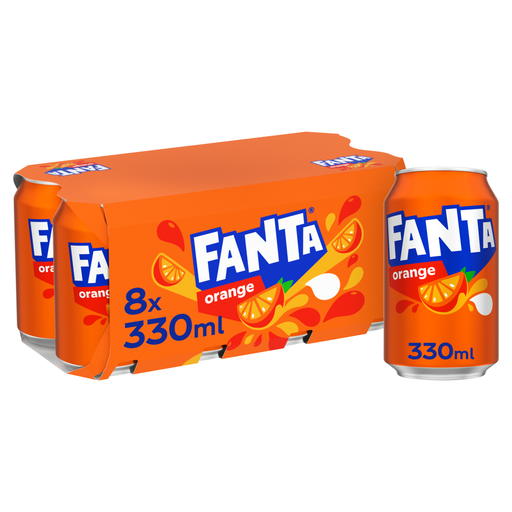 No image available
This 8 x 330ml multipack offers separate fizzy orange servings. Check its own label for juice content and sugars rather than applying figures from a differently sized Fanta product.
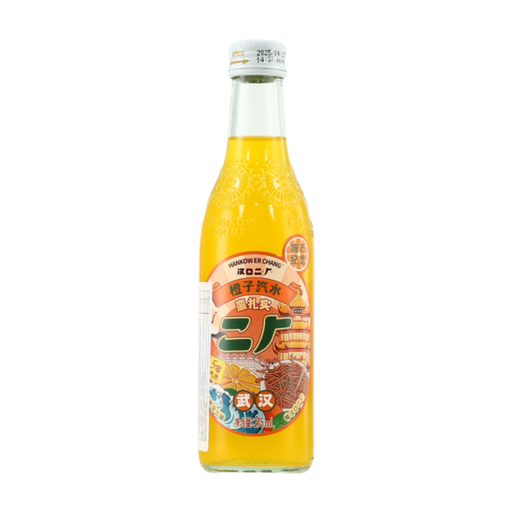 No image available
The 275ml bottle offers a smaller individual fizzy orange drink for the BBQ. If sugars or juice content will affect your choice, compare the figures on the current pack.
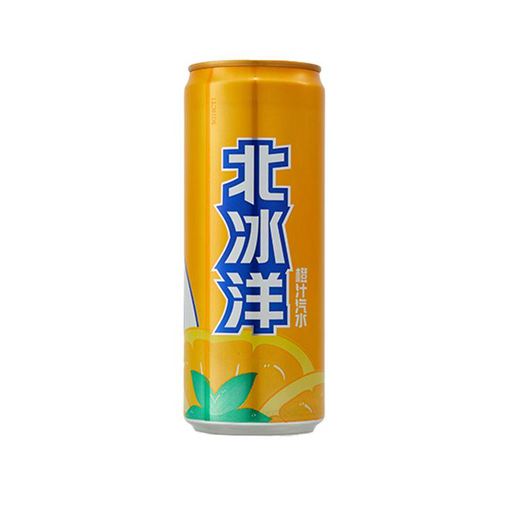 No image available
This 330ml orange soda suits an individual serving rather than a bottle for sharing. If orange-juice percentage matters, confirm it on the current label instead of relying on ‘juice’ in the product name.
No. Sparkling orange drinks can contain different proportions of juice. Sanpellegrino states that Aranciata contains 16% orange juice from concentrate, while Ocado lists 20% juice for Galvanina Organic Orange; Tropicana describes Smooth Orange as 100% juice, but it is still. Read the description and ingredients on the product you are buying.
Compare the sugars figures per 100ml on the current packs, then check the ingredients for sweeteners. ‘No added sugar’ does not necessarily mean a drink contains no sugars.
It can replace it only if your guests do not need the drink to be sparkling. If you serve juice, the NHS advises limiting fruit juice and smoothies together to 150ml a day.
Check the pack’s storage and opening instructions, and decide whether its container suits the setting. Keep drinks away from excessive heat, avoid shaking pressurised bottles and consider whether glass is appropriate near the eating area.