Hosts putting out a small refreshment table
A concentrate can make several servings if you have drinking water and a way to measure it. Ready-to-pour juice avoids mixing, but smaller cups make it easier to serve around the NHS 150ml juice reference.


If sugars per serving are your priority, compare the nutrition labels of no-added-sugar orange drinks and make sure you can prepare any concentrate as directed. Choose 100% orange juice when you specifically want juice, but do not mistake ‘no added sugar’ for sugar-free: NHS guidance recommends limiting fruit juice and smoothies to 150ml a day combined. If you plan to sell refreshments, check the event rules and whether food-business duties apply.
A concentrate can make several servings if you have drinking water and a way to measure it. Ready-to-pour juice avoids mixing, but smaller cups make it easier to serve around the NHS 150ml juice reference.
Read sugars per serving as well as the front-of-pack claim. Tropicana Smooth Orange, for example, has no added sugar but lists 13g of naturally occurring sugars per 150ml; concentrated orange drinks may instead contain sweeteners.
Selling drinks repeatedly or buying them specifically for resale may affect whether you are treated as a trader, according to Business Companion. If you run a food business, GOV.UK says you must make and follow a food-safety management system.
Decide whether attendees want pure juice or an orange-flavoured drink, then check the serving size, preparation and ingredients of the particular product.
Choose it when: You can supply drinking water and want to prepare several servings from one bottle.
Allow for: Measuring the dilution correctly and checking sweeteners and allergens; this is not 100% orange juice.
Choose it when: Attendees specifically want juice that can be poured without mixing.
Allow for: Naturally occurring sugars and portion size. NHS guidance limits fruit juice and smoothies to 150ml a day combined.
| Priority | What to check | Your needs |
|---|---|---|
| Sugars and ingredients | Compare sugars for the serving you will actually offer, including the prepared serving for a concentrate. Read the ingredients for sweeteners rather than relying on ‘no added sugar’ alone. | I want an orange drink with a sugar figure I can compare fairly, without assuming that no added sugar means no sugars. |
| Juice portions | For 100% juice, check how much each cup holds. The NHS says 150ml of fruit juice, vegetable juice or smoothie counts once a day and recommends limiting them to 150ml a day combined. | If I serve pure juice, smaller cups will help me offer a clear portion rather than an open-ended refill. |
| Preparation and storage | Check the label’s dilution ratio and bring drinking water and measuring equipment if needed. Check storage directions for ready-to-pour juice: Tesco’s Innocent Smooth Orange listing specifies refrigeration at 0–8°C. | Will I have water for mixing, or enough suitable storage space for the drinks I bring? |
| Selling and labelling | Keep packaging available so ingredients and allergens can be checked. Before selling, ask the organiser about event rules and check whether your activity is a food business. | Sharing a drink with companions is different from setting up to sell refreshments regularly. |
Pure orange juice can contain naturally occurring sugars. Tropicana UK lists 13g sugars per 150ml serving for its Smooth Orange Value Pack despite its no-added-sugar label.
Compare the nutrition panel for the portion you intend to serve. Choose pure juice because you want juice, not because you assume its total sugars are zero.
Concentrate needs water and measured preparation. Tesco instructs buyers to dilute its No Added Sugar High Juice Orange one part squash to four parts water.
Bring drinking water, a way to measure and dispense the drink, and the original packaging so the preparation directions remain available.
A no-added-sugar orange drink is not necessarily pure juice. Marks & Spencer lists sucralose and sulphites in its Mediterranean Orange High Juice.
Check the ingredients and allergen information for the specific bottle, and keep its packaging available when serving others.
Business Companion says regular selling or buying goods specifically for resale can indicate trader status. GOV.UK says food businesses must make and follow a food-safety management system.
Check the organiser’s terms before selling refreshments and contact the relevant local authority about requirements for your activity.
These product lines illustrate the difference between pure juice and drinks intended for dilution; check the particular pack before deciding what to serve.
Tropicana Smooth Orange Value Pack is presented by Tropicana UK as 100% pure pressed orange juice with no added sugar.
The Innocent Smooth Orange listing describes a ready-to-pour 100% orange juice.
Tesco No Added Sugar High Juice Orange is a concentrated orange drink with sweeteners.
Marks & Spencer describes Mediterranean Orange High Juice as a no-added-sugar drink made with 50% fruit juice.
For a car boot sale, these Joybuy options cover orange squash and portioned orange-flavoured drinks, rather than 100% orange juice. Compare each pack’s current nutrition and ingredients label if sugars, sweeteners or allergens matter to your choice.
 No image available
The 1L squash format suits a table where you can prepare drinks with drinking water. Follow the bottle’s dilution directions and keep the ingredients and allergen label available when serving.
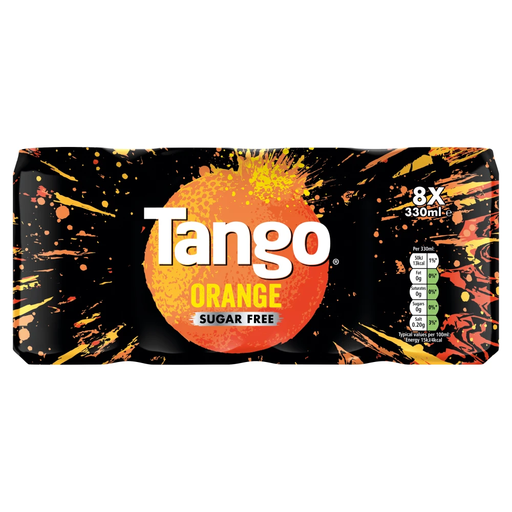 No image available
This carbonated orange soft drink comes in an 8 × 330ml format for individual servings without mixing. It is a different choice from pure orange juice; check the pack’s ingredients and nutrition information for the attendees you expect.
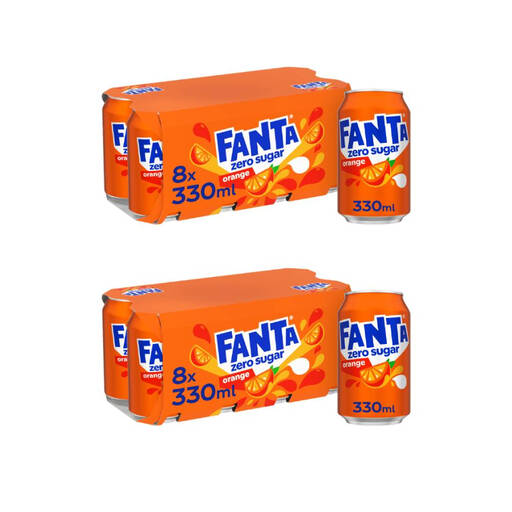 No image available
The 2 × 8 × 330ml format offers portioned orange soft drinks without mixing at the event. If total sugars matter, read the current nutrition panel rather than treating ‘Zero Sugar’ in the product name as a substitute for its figures.
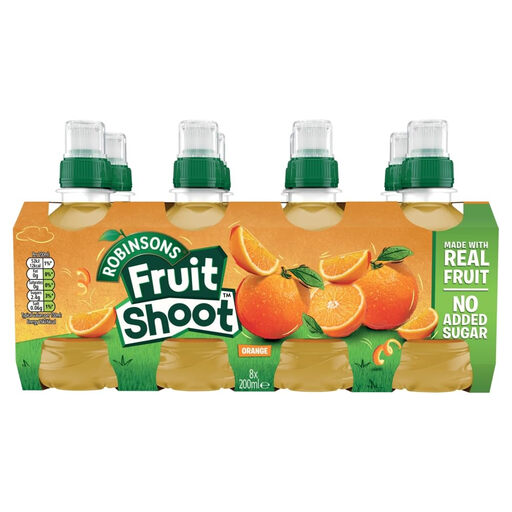 No image available
The 8 × 200ml format provides individual orange drinks without dilution equipment. Compare the label’s sugars per 100ml with other drinks on the same basis, and check the packaging warning about caps if serving young children.
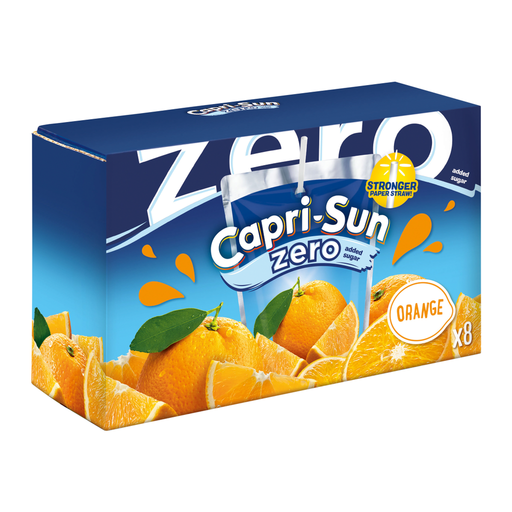 No image available
Eight 200ml portions can be offered without mixing. Check the current nutrition panel rather than inferring zero total sugars from the name; the packaging also warns that the straw presents a choking hazard for children under 3.
No. Tropicana UK labels its Smooth Orange Value Pack as having no added sugar but lists 13g of naturally occurring sugars per 150ml serving. Check total sugars on the nutrition panel when comparing drinks.
A 150ml cup is a practical reference. NHS guidance says 150ml of fruit juice, vegetable juice or smoothie counts once a day and recommends limiting the combined amount to 150ml a day.
Squash can serve several people from one bottle if you have drinking water and can follow its mixing directions. Tesco specifies one part squash to four parts water for its No Added Sugar High Juice Orange; ready-to-pour juice avoids that preparation but may have storage requirements.
Check sugars for the prepared serving, the sweeteners listed and the allergen information. For example, Marks & Spencer lists sucralose and sulphites in its Mediterranean Orange High Juice.
It depends on what you do, not just whether the drinks are sealed. Business Companion says regular selling or buying stock specifically for resale can indicate trader status; GOV.UK says food businesses must make and follow a food-safety management system. Check the organiser’s rules and ask the relevant local authority about your planned activity before selling.