
24/7 Customer Support

Free returns

Same-day & Next-day Delivery

Quality Guaranteed

Unlock Your Welcome Offers: FREE Delivery | Up to 80% OFF | Free 30-day JoyPlus trial
Download the APP
From the morning breakfast table to the school lunchbox, orange drinks and snacks are a staple in many UK households. Yet, the supermarket aisle can be a confusing place. Bright packaging and appealing claims often mask what is actually inside the bottle or packet. As a Joybuy Product Recommendation Officer, my role is to help you navigate this landscape, ensuring you choose products that genuinely fit your family's needs and budget.
Many shoppers find themselves disappointed by purchases that did not meet their expectations. Let's look at a few common pitfalls to avoid:
bulk orange juice or multipacks seems economical, but it is important to check the per-unit price. Sometimes, smaller packs on offer are cheaper. Additionally, consider the shelf-life and your household's consumption rate to prevent waste.To avoid these traps, a quick look at the label is all you need. Here are the three most important things to analyse before you buy.
The ingredients list is your most reliable source of information. It lists components by weight, so if water and sugar appear before juice, you know it is not a juice-heavy product. Look for a clear juice from concentrate percentage. A higher number generally indicates a more fruit-based product. This is particularly important when choosing an orange juice for kids, where you want to maximise the fruit content.
On the nutritional information panel, the "Carbohydrates" line is followed by "of which sugars." This figure includes both naturally occurring sugars from the fruit and any added sugars. To make a fair comparison between different products, always check the value per 100ml. This gives you a standardised measure to evaluate whether a product aligns with your dietary preferences, especially if you are looking for a no sugar orange drink.
The right packaging can make all the difference in convenience and reducing waste.
Fruit Shoot orange and Capri-Sun orange offer single-serving pouches and bottles. These are ideal lunchbox drinks as they are portion-controlled and often designed to be spill-resistant.mandarin fruit pots provide whole fruit segments in juice. They are a great way to contribute to the five-a-day and offer a different texture.J2O orange, are better suited for family breakfasts, parties or stocking up the fridge for the week.Here are a few options that align with different household needs, based on the practical criteria we have discussed.
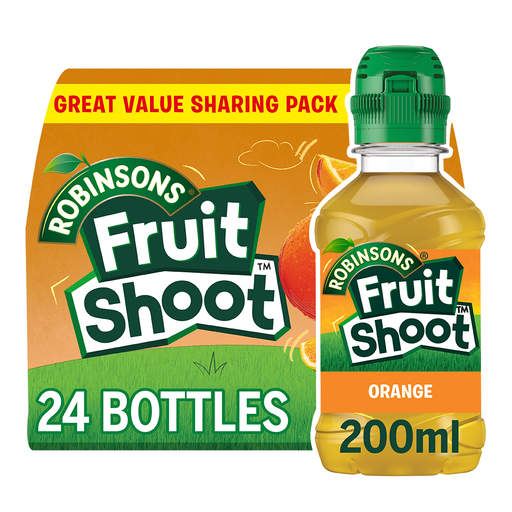
Why This Fits Their Persona: This bulk pack is designed for daily convenience. The 200ml bottles are the right size for a child's lunchbox, and the spill-proof sports cap helps prevent messes in school bags and on the go.
It is clearly labelled as a "no added sugar" drink, using sweeteners instead. The nutritional information shows a very low sugar content (1.2g per 100ml), directly addressing the hidden sugar concern.
Made with real orange juice and fortified with B vitamins. The packaging is 100% recyclable (bottle only).
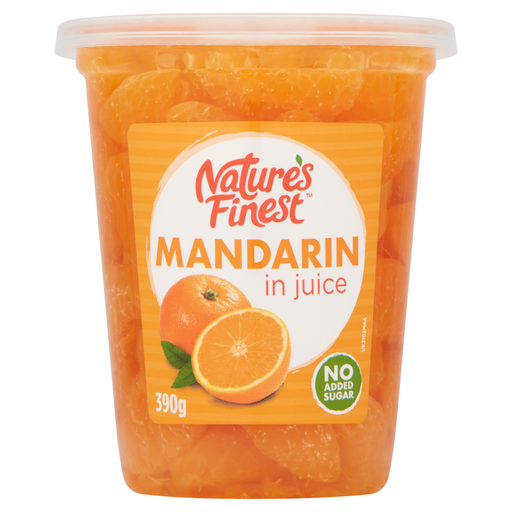
Why This Fits Their Persona: This is an ideal choice for someone who wants a whole-fruit snack rather than a drink. It is perfect for adding to porridge, yoghurt or eating straight from the pot as a refreshing, healthy dessert.
This product sidesteps the "fruit drink" trap by providing actual mandarin segments. It contains no added sugar; the sweetness comes from the fruit and the natural pear juice it is packed in.
A plant-based, ready-to-eat snack that is rich in vitamin C. The ingredients list is simple and easy to understand.
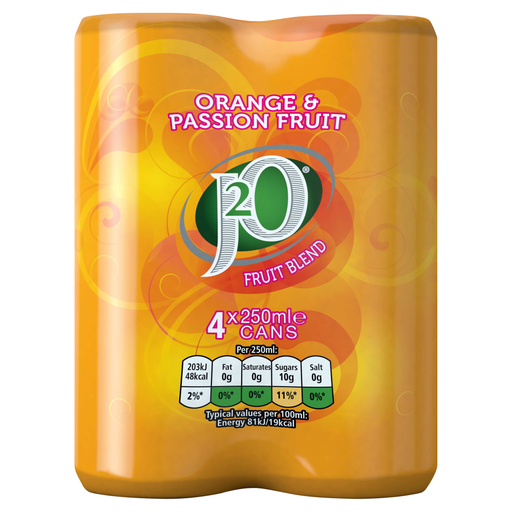
Why This Fits Their Persona: This is a popular and sophisticated non-alcoholic option for gatherings. The blend of orange and passion fruit offers a more complex flavour than a simple `orange fizzy drink`, making it a crowd-pleaser for adult guests.
It is clearly marketed as a "blend," managing expectations that it is not pure juice. The convenient can multipack is ideal for serving guests without the hassle of large bottles.
A well-known brand with a consistent taste profile. The 250ml cans are perfectly portioned and easy to chill and serve.
We have compiled a complete, real-time list of products that fully satisfy these strict selection criteria and UK safety regulations.
1. What is the difference between orange juice 'from concentrate' and 'not from concentrate'? 'Not from concentrate' (NFC) juice is typically pasteurised and bottled directly after being squeezed from the fruit. 'From concentrate' juice has had its water content removed for easier shipping and storage. Water is then added back before it is packaged. Both can be good options, but it is always wise to check the ingredients list for any added sugars or other additives.
2. Are 'no added sugar' orange drinks a healthy choice for children? A 'no added sugar' drink can be a better alternative to sugar-sweetened beverages. However, it is important to be aware of two things. First, the drink will still contain natural sugars from the fruit itself. Second, it will likely contain artificial sweeteners like sucralose or acesulfame K. Whether you are comfortable with these is a personal choice, so always check the ingredients.
3. How should I store bulk-purchased orange juice to maintain its quality? For shelf-stable cartons and bottles, store them in a cool, dark place like a pantry until you are ready to use them. Once opened, all types of orange juice should be kept refrigerated and typically consumed within 3-5 days. Always check the packaging for specific storage instructions and the 'best before' date.