What should you check?
Start with the drink’s intended role—juice serving or fizzy drink—then compare the label using the amount someone will actually have.
| Priority |
What to check |
Your needs |
| Juice content |
Look for unsweetened 100% fruit juice if you want a juice serving. The NHS counts a maximum of 150ml once a day towards 5 A Day; check the ingredients rather than relying on orange flavour or imagery. |
I want to know whether this is a juice serving or simply an orange-flavoured drink. For example, Sainsbury’s lists its Fanta Orange 200ml cans as containing 2.3% orange juice from concentrate, not 100% juice. |
| Sugars and portion |
Compare sugars per 100ml, then check the figure for the can or intended pour. Sainsbury’s lists 9g sugars per 200ml Fanta Orange can; ASDA lists 14.5g per 330ml San Pellegrino Orange can. |
For a group snack, I need to see what each person will drink—not just compare two numbers based on 100ml. |
| Ingredients |
Check the stated orange-juice percentage and whether sweeteners are listed. ASDA’s Rubicon Orange Mango Sparkling Spring Water listing gives 0.5% orange juice and lists sucralose. |
If I choose a sparkling drink for its flavour or sugar figure, I still want to know what gives it that flavour and how much orange juice it contains. |
| Drinking occasion |
Consider whether the drink will be served at one snack time or sipped throughout the afternoon. The Scottish Dental Clinical Effectiveness Programme advises avoiding prolonged sipping of soft drinks containing sugar or acid and recommends water or milk between meals. |
I’m choosing a drink for a defined break, rather than leaving juice or a fizzy drink available for repeated sipping. |
Brand and retailer references
These examples show why the exact product label matters: brands and retailers cover different kinds of orange drink, not interchangeable versions of one product.
Tropicana
Tropicana describes Original Orange as 100% pressed orange juice, not from concentrate. It is a still-juice option when a juice serving is the aim.
- Tropicana states that a 150ml serving counts as one 5 A Day portion.
- It does not provide fizz, and the Department of Health and Social Care and NHS England classify sugars in fruit juice as free sugars.
Innocent
Tesco’s UK juice listing includes Innocent Smooth Orange Juice and Innocent Orange Juice With Bits.
- The listed options let shoppers choose between smooth juice and juice with bits.
- Use the exact bottle’s ingredients and nutrition panel when comparing it with a sparkling drink.
Tesco
Tesco’s juice listing includes Innocent and Tropicana orange juices, offering still-juice examples to compare by label.
- Its listed juices include smooth and with-bits options.
- Check the current product label and pack size rather than treating every orange drink as the same type.
Sainsbury’s
Sainsbury’s Fanta Orange listing provides an example of a sparkling orange drink in a 6 × 200ml can pack.
- The listing gives sugars per can: 9g in 200ml.
- It is labelled as a drink with sugar and sweeteners and contains 2.3% orange juice from concentrate, not 100% juice.
Asda
ASDA’s cited listings illustrate distinct sparkling options, from orange-flavoured water to drinks containing different proportions of orange juice.
- Its Rubicon Orange Mango Sparkling Spring Water listing gives 0.8g sugars per 250ml serving and 0.5% orange juice; its San Pellegrino Orange listing gives 16% orange juice and 14.5g sugars per 330ml can.
- Those products have different ingredients and serving sizes, so compare their labels individually.
M&S
M&S Sparkling Brazilian Orange is a carbonated drink whose listing specifies 13% orange juice from concentrate and 5% comminuted oranges.
- M&S gives the orange ingredients separately on its product listing.
- The listing gives 4.4g sugars per 100g; do not read that as a per-100ml figure or treat the drink as 100% juice.
Orange-style drinks on Joybuy
These Joybuy options cover orange-style sparkling waters and fizzy orange drinks for a half-term snack occasion. If you specifically want a 100% juice serving, check the label for unsweetened 100% fruit juice rather than choosing by orange flavour alone.
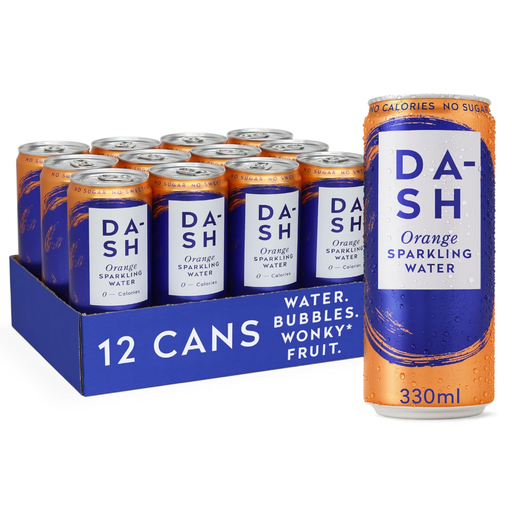 Image unavailable
DASH Water Sparkling Water Infused with Oranges, 12 × 330ml
The 12 × 330ml format gives a defined can size for a group snack. Choose it for orange-style sparkling water, not as a 100% orange-juice serving.
View on Joybuy
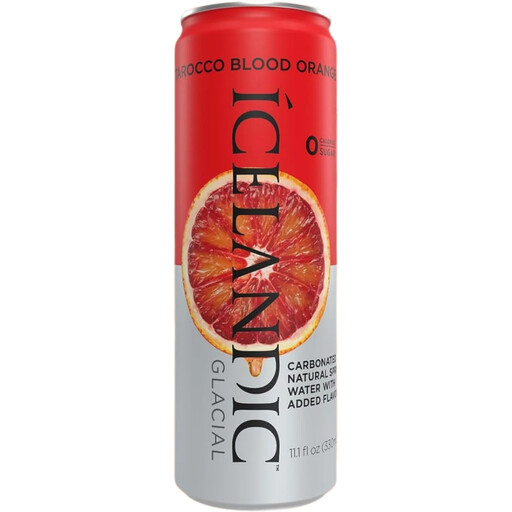 Image unavailable
Icelandic Glacial Tarocco Blood Orange Sparkling Mineral Water, 330ml
A 330ml can is an individual orange-flavoured sparkling-water option. If you need a juice serving, check for unsweetened 100% fruit juice instead.
View on Joybuy
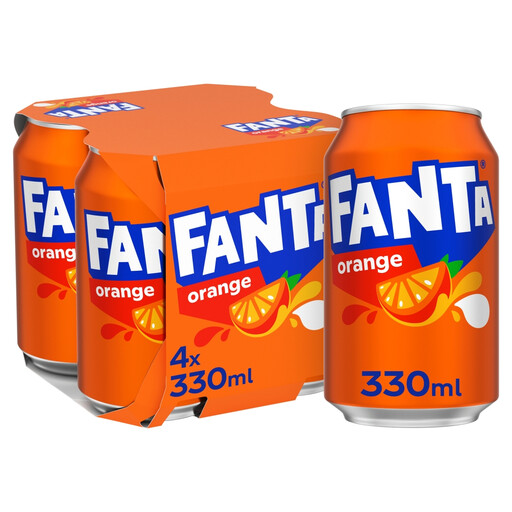 Image unavailable
Fanta Orange, 4 × 330ml
Four individual 330ml cans provide a defined format for a shared fizzy-drink occasion. Check the label’s sugars per can and orange-juice percentage when comparing it with other packs or with 100% juice.
View on Joybuy
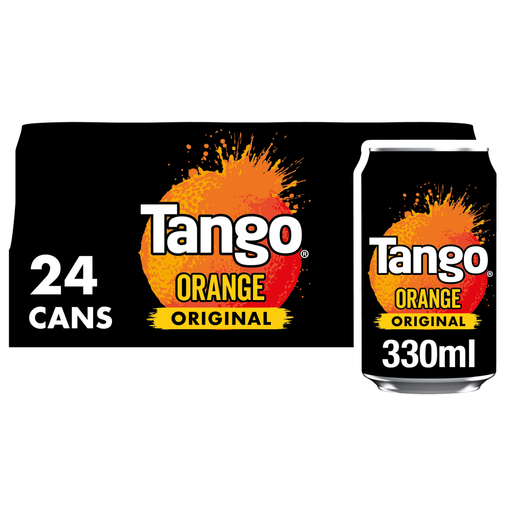 Image unavailable
Tango Orange, 24 × 330ml
The 24 × 330ml multipack is a group-format fizzy orange option. Base a serving comparison on one can, and check its nutrition and ingredients label rather than the pack total.
View on Joybuy
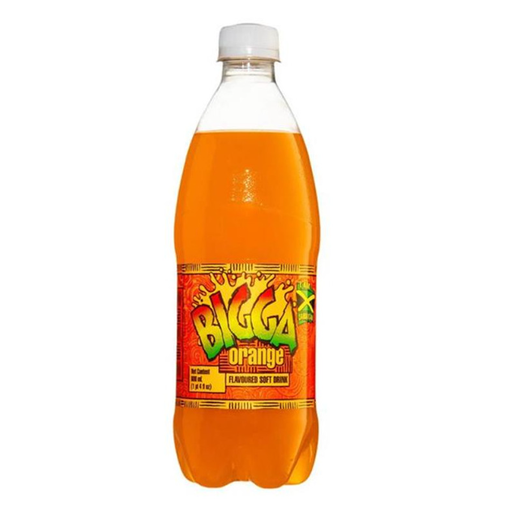 Image unavailable
BIGGA Orange, 600ml
This is an orange fizzy-drink option rather than a 100% juice serving. Before planning drinks for a group, confirm whether the 600ml listing is for one bottle or a multipack; check the pack label for sugars and the amount you intend to pour.
View on Joybuy
Questions about juice and fizzy drinks
Does an orange fizzy drink count towards 5 A Day?
Do not count a partly juice-based fizzy drink as a 100% juice serving. The NHS says unsweetened 100% fruit juice, vegetable juice and smoothies can count, up to a maximum of 150ml once a day; check the exact drink’s ingredients rather than its orange flavour.
Is 100% orange juice the drink to leave out between snacks?
No. The Department of Health and Social Care and NHS England classify sugars in fruit juice as free sugars, while the Scottish Dental Clinical Effectiveness Programme advises against prolonged sipping of drinks containing sugar or acid. Its between-meal advice is to offer water or milk.
How do I compare two fizzy orange drinks?
Check sugars per 100ml and in the can or glass you plan to serve, then read the orange-juice percentage and sweeteners in the ingredient list. For example, Sainsbury’s lists 9g sugars in its 200ml Fanta Orange can, while ASDA’s Rubicon Orange Mango Sparkling Spring Water listing gives 0.8g per 250ml serving and lists sucralose and 0.5% orange juice.
Are cans or bottles easier for a group snack?
Cans make each full-can amount clear; with a bottle, decide how much to pour into each glass. Check the pack size alongside the nutrition figure, which may be given per 100ml rather than for your chosen serving.


