Hosts serving different preferences
Offer juice for guests who expect juice, alongside a clearly identified orange-flavoured alternative. Keeping the original packs nearby lets guests check what each drink contains.


Choose 100% orange juice if guests want juice itself, and plan modest portions with food: “no added sugar” does not mean sugar-free. A diluted no-added-sugar squash, a ready-to-pour juice drink or an orangeade may suit different serving needs, but they are not interchangeable with pure juice; compare the sugars in the glass you will serve and check ingredients for sweeteners and allergens.
Offer juice for guests who expect juice, alongside a clearly identified orange-flavoured alternative. Keeping the original packs nearby lets guests check what each drink contains.
Look at the serving you intend to pour, not just a “no added sugar” statement. According to the NHS, sugars released during juicing count as free sugars.
Check the exact squash or juice-drink label for sweeteners and allergens. The Tesco and Sainsbury’s examples discussed below show why an orange drink’s name alone is not enough to judge its ingredients.
Decide whether guests expect actual juice, then compare prepared servings and check how each drink will be stored and served.
| Priority | What to check | Your needs |
|---|---|---|
| Sugars per serving | Compare the nutrition panel for the amount you will serve. For squash, use the value for a drink prepared to the pack’s dilution instructions. Tropicana UK lists 13g sugars per 150ml of Smooth Orange; Tesco lists 2.2g per prepared 250ml glass of its No Added Sugar High Juice Orange. | I want guests to see the sugars in their actual glass, rather than assume “no added sugar” means none. The NHS advises adults and children to limit fruit juice and smoothies to a combined 150ml a day and have them at mealtimes. |
| Drink type | Check whether the label says 100% juice, juice drink, squash or orange-flavoured soft drink. Check fruit content rather than treating those descriptions as equivalent. | If guests ask for orange juice, I want to offer juice—not pour an orangeade or diluted squash under the same label. |
| Ingredients | Read the exact pack for sweeteners and allergens. Tesco lists sucralose, acesulfame K and sodium metabisulphite in its No Added Sugar High Juice Orange; Sainsbury’s lists sweeteners, barley extract and sulphites in its Fruit and Barley Orange squash. | Some guests may avoid sweeteners or need to inspect allergen information, so I want the original bottles available at the drinks table. |
| Serving and storage | Check whether a drink needs dilution, chilling or prompt use after opening. Tesco says innocent Smooth Orange must be kept at 0–8°C and consumed within four days of opening. | For an outdoor party, I need a way to keep chilled drinks cold and would rather open cartons as they are needed. |
Tropicana UK labels Smooth Orange as having no added sugar while listing 13g sugars per 150ml. The NHS explains that juicing releases free sugars.
Compare sugars per intended serving, and distinguish pure juice from a juice drink, squash or orangeade.
A concentrated squash needs diluting, while an orangeade is a soft drink. Neither becomes 100% orange juice because it has an orange flavour.
Label the drinks table clearly and offer water alongside the orange options.
The cited Tesco high-juice drink contains sweeteners and sodium metabisulphite; Sainsbury’s Fruit and Barley Orange squash also lists barley extract and sulphites. The Food Standards Agency identifies sulphites as a possible risk for people sensitive to them.
Keep packs available for guests to read and provide a separate option for anyone avoiding those ingredients.
Storage instructions differ: Tesco specifies 0–8°C and use within four days of opening for innocent Smooth Orange, while M&S says to refrigerate its Smooth Orange Juice after opening and drink it within 24 hours.
Plan suitable cold storage, check each pack and open cartons in stages.
These examples show how labels differ across pure juice, juice drinks and squash; they do not describe every drink made by each brand.
Smooth Orange is a 100% pure pressed, not-from-concentrate juice, according to Tropicana UK.
Tesco describes innocent Smooth Orange as 100% pure orange juice.
Tesco No Added Sugar High Juice Orange is a concentrated drink made with 50% fruit juice from concentrate, not a 100% juice.
The cited Sainsbury’s drinks illustrate two different options: a squash for dilution and a ready-to-pour orange juice drink.
M&S describes its Smooth Orange Juice as freshly squeezed and not from concentrate.
These options cover squash, juice drinks and orange-flavoured soft drinks for a party table. Check each pack before serving, particularly if guests expect 100% juice or need to avoid particular ingredients.
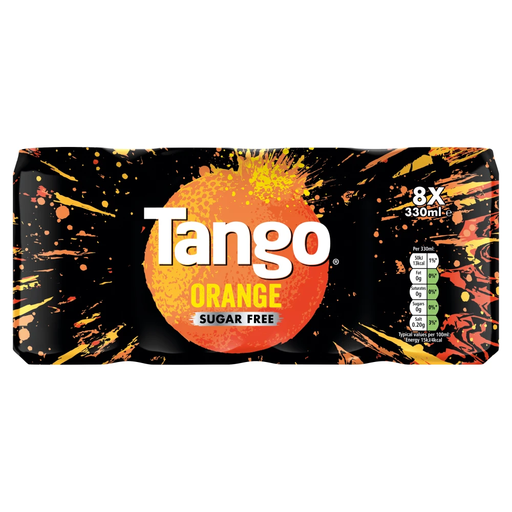 No image available
Individual cans offer an orange-flavoured fizzy option rather than 100% orange juice. The product information lists acesulfame K and sucralose; offer another drink for guests avoiding those sweeteners and handle the pressurised cans with care.
 No image available
This is a concentrate for guests who are happy with diluted squash rather than pure juice. Follow the pack’s dilution directions; the product information says not to serve it undiluted and lists sweeteners and sulphites. It also says the drink is not suitable for children under 36 months.
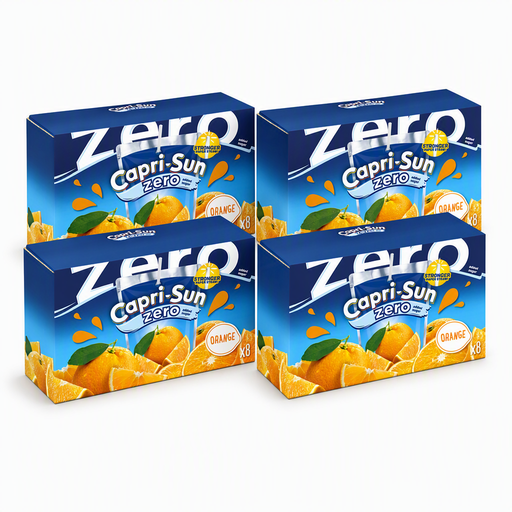 No image available
The individual pouches are a juice-containing orange drink, not 100% orange juice. The product information lists sucralose and warns of a straw choking hazard; it says the pouches are not suitable for children under three.
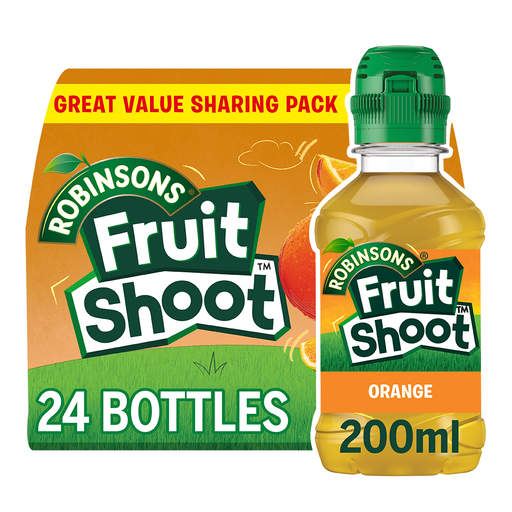 No image available
Individual bottles provide a ready-to-pour juice drink, rather than 100% orange juice. The product information lists acesulfame K and sucralose and says to refrigerate opened bottles and consume them within three days.
No. Tropicana UK labels Smooth Orange as having no added sugar but lists 13g sugars per 150ml. The NHS explains that sugars released during juicing count as free sugars and advises adults and children to have no more than a combined 150ml of fruit juice and smoothies a day, at mealtimes.
Choose squash if guests are happy with a drink you dilute, and 100% juice if they specifically expect orange juice. Tesco lists 2.2g sugars per prepared 250ml glass of its No Added Sugar High Juice Orange, but it contains sweeteners and sodium metabisulphite. Follow the dilution directions and keep an alternative available for guests avoiding those ingredients.
No. Tesco describes its No Added Sugar High Juice Orange as a concentrated drink made with 50% juice from concentrate and sweeteners, whereas Tropicana UK describes Smooth Orange as 100% pure pressed juice. Check the product description before labelling a drink “orange juice” at the serving table.
Keep the exact bottles or cartons available so guests can read their ingredient lists. The cited Tesco high-juice drink lists sodium metabisulphite, and Sainsbury’s Fruit and Barley Orange squash lists barley extract and sulphites. GOV.UK guidance for community events recommends retaining prepacked-food packaging so people with food hypersensitivities can check it.