
24/7 Customer Support

Free returns

Same-day & Next-day Delivery

Quality Guaranteed

Unlock Your Welcome Offers: FREE Delivery | Up to 80% OFF | Free 30-day JoyPlus trial
Download the APP
Choosing between orange juice drink, orange soft drinks, orange squash and fruit products can be harder than it appears. Bright packaging often makes similar products look interchangeable, while differences in juice content, sweeteners, serving size and storage can affect both value and suitability.
Before adding a product to your basket, watch for three common buying traps:
First decide what you actually need. Orange juice and orange juice drink are not necessarily the same product. A juice drink may include water, sugar syrup or sweeteners, whereas a juice product may be made primarily from orange juice or a blend.
For example, some ready-to-drink products in this range list orange juice from concentrate alongside sweeteners or sugar. Others are sparkling orange soft drinks designed for occasional refreshment rather than breakfast. If you want a cordial for family use, check the recommended dilution and whether the product must be diluted before drinking.
A product described as an orange soft drink, orange soda or sparkling beverage will generally be carbonated. This makes it suitable for chilled serving at meals and gatherings, but less suitable for packing where carbonation or bottle pressure could be inconvenient.
UK food labels normally provide nutritional information per 100ml, which helps compare products fairly. Also check the full serving size: a 500ml bottle contains five times the listed per-100ml amount.
Look specifically for:
A no added sugar orange drink can still have a sweet taste from fruit ingredients and sweeteners. Robinsons No Added Sugar Squash Orange, for instance, is intended to be diluted and lists sweeteners and sulphur dioxide/sulphites. It should not be consumed undiluted, and the bottle should be stored according to its label after opening.
For school lunches, individual pouches or 200ml bottles can reduce the need to measure servings. For parties, barbecues or regular household use, larger orange drinks multipacks may offer greater convenience.
Storage also matters. Some products can remain in a cool, dry cupboard until opened, while others should be refrigerated after opening and consumed within a stated period. Fruit in juice should be chilled after opening and used within the manufacturer’s recommended timeframe. Dried citrus products need a cool, dry place and may require preparation before use.
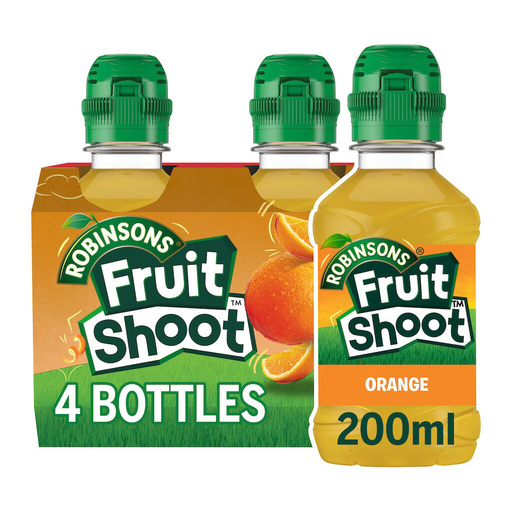
Why This Fits Their Persona: The four 200ml bottles are convenient for school bags, day trips and portion-controlled lunchboxes.
The label states 12% orange juice from concentrate and 6 kcal per 100ml, making the product category and energy content easier to assess.
200ml format; listed as free from artificial colours, artificial flavours and preservatives.
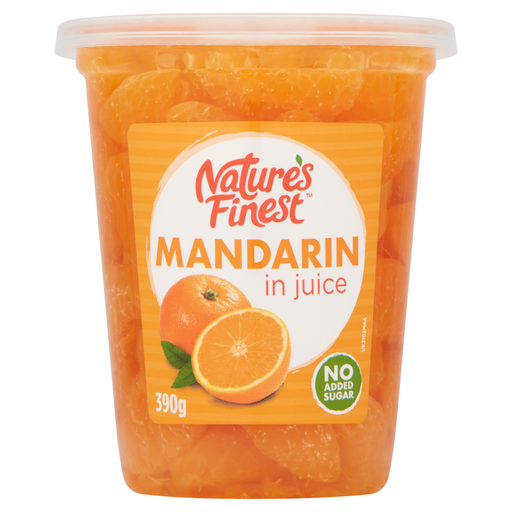
Why This Fits Their Persona: A pantry fruit option for shoppers wanting prepared mandarin segments for desserts, porridge, yoghurt or fruit salads.
It clearly lists mandarin segments and pear juice from concentrate, with no added sugar stated in the supplied product information.
390g ready-to-eat format; 64 kcal and 12.8g sugars per 100g as listed.
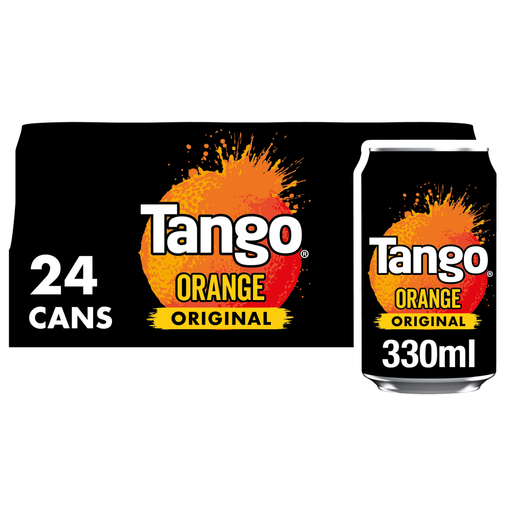
Why This Fits Their Persona: A 24-can orange soda multipack suits gatherings, shared cupboards, barbecues and shoppers who prefer single-serve cans.
The pack quantity and 330ml can size are explicit, while the nutrition panel lists 63 kcal and 14g sugars per can.
Single-serve cans; carbonated format; ingredients list includes orange fruit from concentrate and sweeteners.
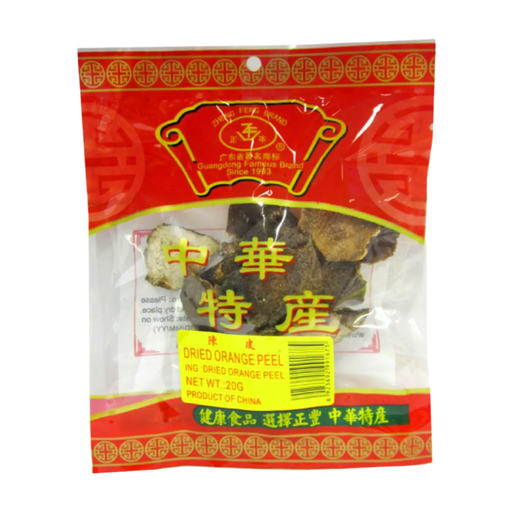
Why This Fits Their Persona: A compact dried citrus ingredient for Chinese cooking, braised dishes, soups and tea preparation.
The ingredients declaration is 100% dried mandarin peel, and the instructions state that it should be rinsed, soaked and cooked before consumption.
20g pack; single listed ingredient; suitable for culinary and tea applications.
We have compiled a complete, real-time list of products that fully satisfy these strict selection criteria and UK safety regulations.
No. Orange squash is a concentrated drink designed to be diluted with water. Orange juice or an orange juice drink is generally ready to consume, although formulations vary. Read the preparation instructions and ingredients before serving.
Look for a sealed, portable format such as a 200ml pouch or bottle, then check the sugar, sweetener and allergen information. Products with small parts or age-related warnings should be handled according to the packaging instructions.
Follow the label rather than relying on the product name. Some beverages require refrigeration after opening, while canned soft drinks are usually consumed after opening. Mandarin segments in juice should be refrigerated and used within the stated period. Dried orange peel should remain sealed in a cool, dry cupboard.
For breakfast spreads, orange marmalade offers a different use from beverages: compare the fruit quantity, sugar content and storage instructions. Once you know whether you need a chilled drink, a family cordial, a multipack or a cooking ingredient, the right choice becomes considerably easier.