Casual gym-goers who want orange-flavoured fizz
If the drink is mainly for flavour before a short or easy session, choose it as a drink alongside food rather than relying on it as a complete snack.


A sparkling orange drink can accompany a pre-workout snack, but it should not replace food when you need fuel or be assumed to work like a purpose-designed sports drink. Among the drinks reviewed, M&S Diet Sparkling Orange Crush has the least sugar per 100ml, Orangina offers citrus juice and pulp, and San Pellegrino Orange has the highest stated orange-juice proportion; those differences matter more than the orange flavour alone.
If the drink is mainly for flavour before a short or easy session, choose it as a drink alongside food rather than relying on it as a complete snack.
Compare labels on the same per-100ml basis. The reviewed M&S Diet Sparkling Orange Crush lists 0.2g sugars per 100ml, Orangina 1.2g and San Pellegrino Orange 4.4g, according to their Ocado, Tesco Groceries and Sainsbury's listings respectively.
San Pellegrino Orange lists 16% orange juice from concentrate on the reviewed Sainsbury's listing. Orangina lists 12% mixed citrus juice from concentrate on Tesco Groceries, while M&S Diet Sparkling Orange Crush lists 5% orange comminute from concentrate on Ocado. These are different fruit ingredients, so check the wording as well as the percentage.
Decide whether you want a flavoured drink alongside food or a drink chosen for exercise fuelling, then compare the labels of products that fit that purpose.
| Priority | What to check | Your needs |
|---|---|---|
| Exercise fuel | Check carbohydrate per serving and whether sodium is stated. The Australian Institute of Sport describes a sports-drink composition of 4–8g carbohydrate and 23–69mg sodium per 100ml; orange flavour alone does not establish that fit. | I want something to drink before training, but if I need a snack for fuel, I will choose food separately rather than treat a fizzy drink as the snack. |
| Sugar | Compare sugars per 100ml, then check the amount in the can or bottle you intend to drink. Ocado lists 0.2g per 100ml for M&S Diet Sparkling Orange Crush; Tesco Groceries lists 1.2g for Orangina; Sainsbury's lists 4.4g for San Pellegrino Orange. | If the drink is mainly for taste, I would rather compare sugar on an equal-volume basis than assume every orange drink is similar. |
| Fruit content | Read the stated fruit ingredient and percentage, distinguishing orange juice from mixed citrus juice or orange comminute. Check for pulp if its texture matters to you. | I might want citrus pulp, a stated orange-juice proportion or simply an orange-flavoured soft drink; those are different choices. |
| When you drink it | Consider whether a juice-containing drink will be sipped repeatedly between meals. The NHS advises having juices and smoothies at mealtimes to reduce the risk of tooth decay. | I want a drink for a particular occasion, not one to sip throughout the morning before training. |
The Australian Institute of Sport describes sports drinks in terms of fluid, carbohydrate and sodium. A sparkling orange soft drink should not be treated as an equivalent just because it contains sugar.
If you are choosing a drink for a demanding session, check the intended exercise strategy and the product's carbohydrate and sodium information rather than choosing by flavour.
Ocado, Tesco Groceries and Sainsbury's list different fruit ingredients and sugar amounts for the reviewed M&S, Orangina and San Pellegrino drinks. The product name does not tell you how much juice or sugar a serving contains.
Compare the declared fruit content, sugars per 100ml and the amount in the pack you plan to drink.
The NHS advises having juices and smoothies at mealtimes to reduce the risk of tooth decay; UK Department of Health and Social Care and NHS England oral-health guidance includes sugars naturally present in fruit juice among free sugars.
If you choose a juice-containing drink, consider having it on a defined occasion rather than sipping it repeatedly between meals.
These details concern the named drinks on the cited retailer listings, not every product made by each brand.
Diet Sparkling Orange Crush is an orange-flavoured carbonated soft drink to consider when comparing lower-sugar options.
The reviewed sparkling orange drink is a citrus-juice option for shoppers who want pulp.
The reviewed Orange drink is an option when the stated orange-juice proportion is the deciding factor.
The reviewed Tesco Orange 2 Litre is an orange-flavoured carbonated soft drink, rather than an orange juice or sports drink.
These orange-flavoured drink options are for shoppers considering a fizzy accompaniment to a pre-workout snack. Check each product's label for the fruit ingredients, sugars per 100ml and serving size that matter to you; do not treat the drink itself as a complete snack.
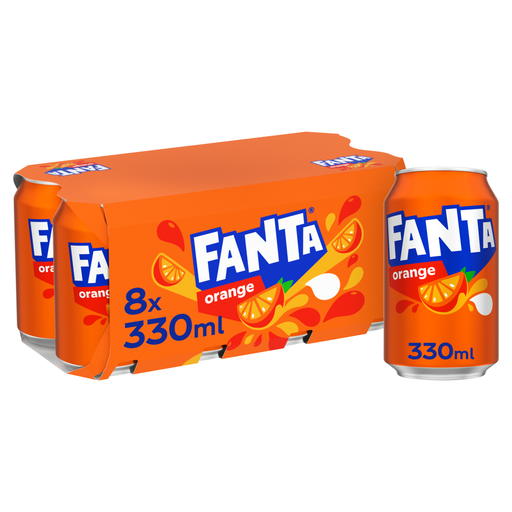 No image available
An orange-flavoured option to consider as a drink alongside food before exercise. The pack contains eight 330ml portions; check the label for sugars and fruit ingredients if either affects your choice.
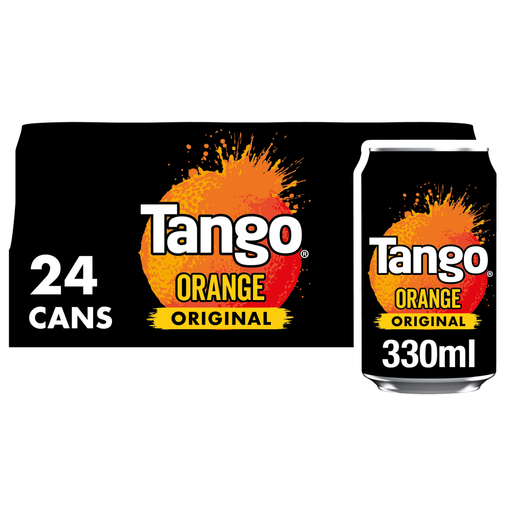 No image available
This 24 x 330ml orange drink pack suits someone buying individual portions as a snack accompaniment. Compare sugars per 100ml on the label rather than assuming an orange drink will meet exercise-fuelling needs.
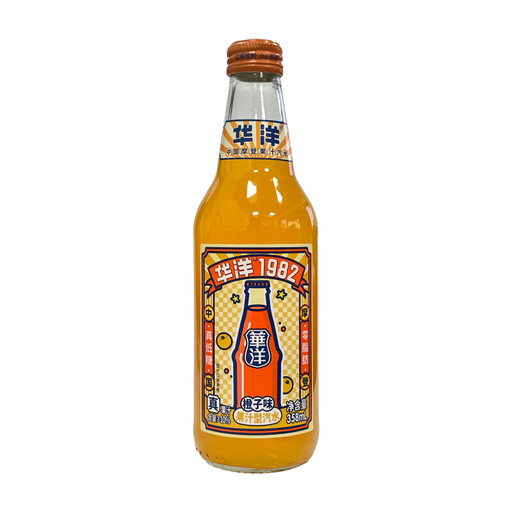 No image available
A 358ml orange juice soda to consider when you want fizz alongside food. If fruit content drives your choice, check the declared juice percentage on the product label; the word ‘juice’ in the name does not establish it.
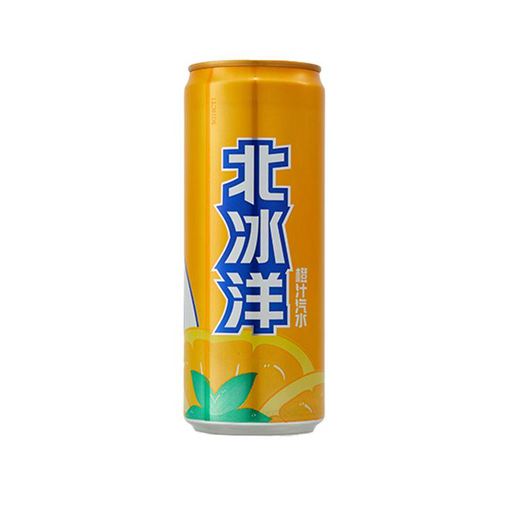 No image available
This 330ml orange juice soda is another fizzy drink to consider alongside a snack. Compare its sugars per 100ml and declared fruit content with other options before choosing it for your preferred flavour or sugar level.
Do not treat the reviewed sparkling orange soft drinks as complete snacks. If you need food before exercise, choose that separately; the Australian Institute of Sport notes that carbohydrate strategies vary with exercise duration and describes sports drinks as formulated to provide fluid, carbohydrate and sodium.
M&S Diet Sparkling Orange Crush lists 0.2g sugars per 100ml on Ocado, compared with Orangina's 1.2g on Tesco Groceries and San Pellegrino Orange's 4.4g on Sainsbury's. That makes it a lower-sugar choice among these three drinks, not a substitute for food when you need exercise fuel.
Do not assume that an orange-flavoured or juice-containing fizzy drink counts as a portion of fruit juice. Check the exact product and its ingredients. NHS guidance says 150ml of fruit juice, vegetable juice or smoothie can count towards 5 A Day, limits their combined amount to 150ml a day, and advises having them at mealtimes.