Gym-goers who want orange fizz with food
A sparkling drink can be a flavour choice alongside your snack. If you have been sweating, the NHS recommends water for replacing lost fluids; consider the food separately from the drink.


Choose a sparkling orange drink for its flavour alongside a post-gym snack, rather than as your main drink after sweating: the NHS recommends water for replacing lost fluids. If you prefer still orange juice, NHS guidance is to limit fruit juice and smoothies to 150ml a day and have them with a meal. For a fizzy option, compare the orange ingredients, sugars and container size, and include food if you want more than a drink.
A sparkling drink can be a flavour choice alongside your snack. If you have been sweating, the NHS recommends water for replacing lost fluids; consider the food separately from the drink.
An orange-flavoured soft drink and a sparkling drink containing orange juice can have different ingredient lists. Check the stated percentages rather than relying on the flavour name.
Container sizes, sugars and how often you sip a citrus drink may matter to your choice. NHS guidance applies a 150ml daily limit to fruit juice and smoothies, while GOV.UK identifies acidic drinks as a concern for tooth erosion.
Decide whether you need a drink after sweating, a snack, or simply orange flavour and fizz; then compare labels for the choice you intend to make.
| Priority | What to check | Your needs |
|---|---|---|
| Drink and snack | Keep water available after sweating: the NHS recommends it for replacing lost fluids. If food is part of your post-exercise plan, choose it separately rather than judging the drink by its orange flavour. | After training, I want something to drink and something to eat, not a fizzy drink standing in for both. |
| Portion and sugars | Compare sugars on the same label basis, such as per 100ml and per container; M&S instead lists values per 100g for its 1.32L drink. For still fruit juice, the NHS advises no more than 150ml a day, with a meal. | A can or large bottle might be more than I mean to have with my snack, so I want to decide on a serving before I open it. |
| Orange ingredients | Read the ingredient percentages. Marks & Spencer lists 13% orange juice from concentrate plus 5% comminuted oranges in its 1.32L sparkling drink; Tesco lists 16% orange juice from concentrate for Sanpellegrino Orange; Sainsbury's lists 2.3% for its 500ml Fanta Orange. | If orange-derived ingredients matter to me, I want their stated amounts, not just an orange flavour on the front of the pack. |
| Acidic drinks | Consider how often and for how long you drink citrus fizz. GOV.UK guidance identifies acidic drinks as a concern for tooth erosion; the NHS advises having fruit juice with a meal. | I would rather have an orange drink with food than sip it throughout the day as my regular thirst-quencher. |
The labelled M&S, Sanpellegrino and Fanta drinks provide little protein. A drink chosen for flavour does not take the place of deciding what to eat, and the NHS recommends water for replacing lost fluids.
Have water after sweating and choose food to accompany the orange drink if you want a snack.
The labelled products differ: Marks & Spencer lists 13% orange juice plus 5% comminuted oranges, Tesco lists 16% orange juice for Sanpellegrino Orange, and Sainsbury's lists 2.3% orange juice for its 500ml Fanta Orange.
Check both the product description and ingredient percentages. Orange juice and other orange ingredients are listed separately.
Tesco lists 14.5g sugars in a 330ml can of Sanpellegrino Orange, while the M&S sparkling drink is also offered in a 1.32L bottle. Container size changes how much you pour or drink at once.
Read sugars per container as well as the label's standard measure, and decide on your serving. If you choose still fruit juice, follow the NHS advice of no more than 150ml a day with a meal.
GOV.UK guidance identifies acidic drinks as a concern for tooth erosion. Lower sugar content alone does not establish that a citrus drink is free of that concern.
Consider having the orange drink with food rather than using it as an all-day drink; choose water for routine thirst.
These examples include sparkling orange drinks and still juices; a brand's inclusion does not mean every orange product it makes has fizz.
M&S Sparkling Brazilian Orange is a carbonated orange drink offered in 1.32L and 330ml formats.
Sanpellegrino Orange is a sparkling orange beverage sold in a 330ml can.
The 500ml Fanta Orange product listed by Sainsbury's is a sparkling orange fruit drink with sugar and sweeteners.
Tropicana Smooth Orange Juice and Original Orange With Juicy Bits appear as still-juice options in Tesco's 900ml listings.
Tesco lists innocent Smooth Orange Juice and Orange Juice With Bits in 1.35L still-juice formats.
These orange-flavoured drink options are for having alongside a post-gym snack. Compare the stated pack sizes and check each current label for the ingredients and sugars that matter to you; keep water in mind after sweating.
 No image available
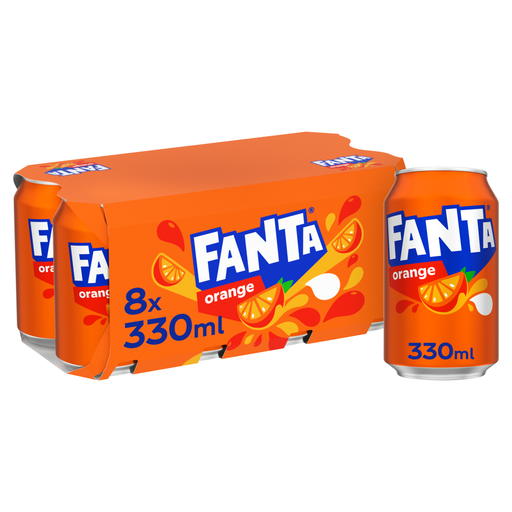
For an orange-flavoured fizzy drink alongside food, this pack contains eight 330ml cans. Check the current can label for sugars and ingredients; use water as your main drink after sweating.
 No image available
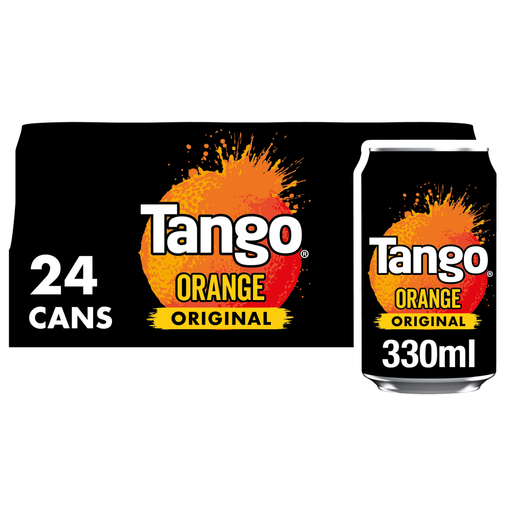
If you are considering an orange drink to have with a snack, this is a 24 × 330ml pack. Decide how many you intend to have, and check the current pack label for its drink description, ingredients and sugars.
 No image available
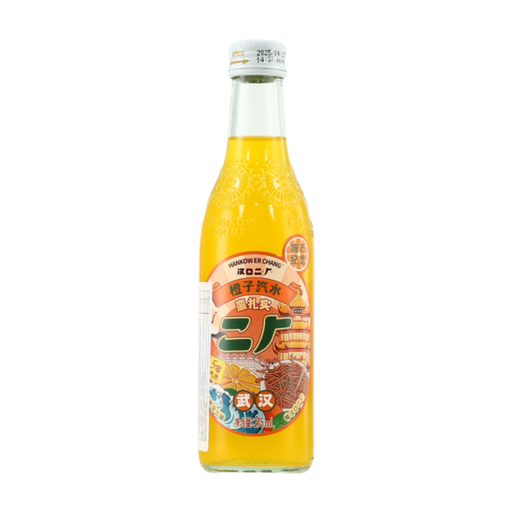
This 275ml orange soda is an option to consider alongside food rather than in place of a snack. Check its current label for orange ingredients and sugars if either affects your choice.
 No image available
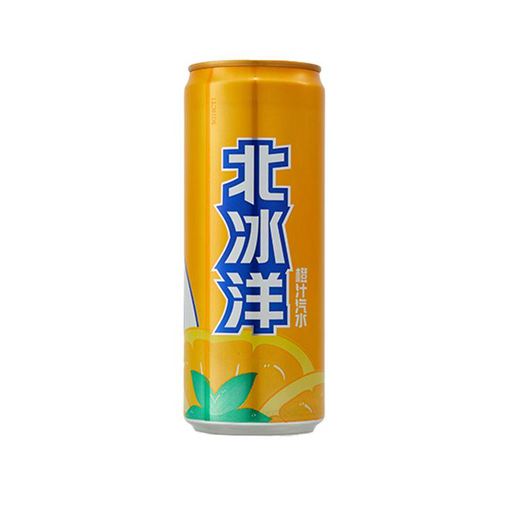
For a 330ml orange soda to have with food, check the current label for its orange-juice percentage and sugars rather than judging it by the word ‘juice’ in the name. Have water available after sweating.
Not if you also want food after exercise. The labelled M&S, Sanpellegrino and Fanta examples provide little protein; choose food separately to make a snack, and use water to replace fluids lost through sweating, as the NHS advises.
Choose water as your main drink for replacing lost fluids after physical activity, in line with NHS guidance. Orange fizz can be a flavour choice alongside food, but it does not need to replace the water.
The NHS advises limiting fruit juice and smoothies to a maximum of one small 150ml glass a day and having it with a meal. A sparkling orange soft drink is not necessarily fruit juice; check its own ingredients, sugars and serving size rather than applying the juice description to it.
No. Sugar content and acidity are different label considerations. GOV.UK guidance identifies acidic drinks as a concern for tooth erosion, so consider how often you drink citrus fizz and avoid treating it as an all-day thirst-quencher.