Families choosing everyday snack drinks
If the drink will accompany routine school-holiday snacks, the NHS points to water and milk for children and advises avoiding sugary fizzy drinks and juice drinks.


For children’s routine school-holiday snacks, choose water or milk rather than a sparkling orange drink: the NHS advises that children avoid sugary fizzy drinks and juice drinks. If you are comparing fizzy orange drinks for an occasional treat, check the juice percentage, sugars and amount in the bottle or can; the NHS gives separate guidance for fruit juice and smoothies of no more than 150ml a day with a meal.
If the drink will accompany routine school-holiday snacks, the NHS points to water and milk for children and advises avoiding sugary fizzy drinks and juice drinks.
Compare the drink type, juice percentage and sugars in the amount likely to be served. Tesco’s Fanta Orange Mini listing, for example, states 9g sugars in a 200ml can; a small can is not the same thing as a serving of orange juice.
Keep the two drink types distinct. The NHS advises limiting fruit juice and smoothies to one small 150ml glass a day with a meal; that guidance does not make a sparkling orange soft drink an unrestricted juice serving.
Start with the drink’s role in the snack, then read the product description and compare sugars against the amount that may actually be poured or opened.
| Priority | What to check | Your needs |
|---|---|---|
| Everyday drink or treat | Check whether it is described as a sparkling soft drink or juice drink. The NHS advises children to avoid sugary fizzy drinks and juice drinks; water and milk are the everyday alternatives. | I’m choosing something to go with routine snacks, rather than looking for an occasional fizzy drink. |
| Juice content | Read the precise drink description, ingredients and orange-juice percentage. Tesco lists 10% orange juice in its 420ml Orangina drink, while its Fanta Orange Mini listing states 2.3%. | I want to know whether I’m buying orange juice or a sparkling drink that contains some orange juice. |
| Sugars in the amount served | Compare sugars per 100ml with the bottle or can size, and use a per-can figure where one is given. Tesco lists 9g per 200ml Fanta Orange Mini can; its San Pellegrino Orange listing gives 14.5g per 330ml can. | If a whole can might be opened, the figure for that can matters more to my choice than a per-100ml figure alone. |
| Container size | Check whether a bottle will be shared or poured into smaller amounts. Do not apply the NHS’s 150ml daily limit for fruit juice and smoothies as permission to serve a larger sparkling orange drink. | A larger bottle may be shared at snack time; I want to decide how much to pour before opening it. |
A sparkling drink can contain some orange juice without being 100% orange juice. Tesco describes Fanta Orange Mini as a sparkling orange fruit drink and lists 2.3% orange juice from concentrate.
Read the product description and juice percentage rather than judging the drink by its front label alone.
The amount in an opened container also matters. Tesco lists 9g sugars in a 200ml Fanta Orange Mini can, while its San Pellegrino Orange listing gives 14.5g in a 330ml can.
Check the per-can figure when available, or use the per-100ml figure alongside the container volume. Decide whether a larger bottle will be shared.
The Department for Education says the statutory School Food Standards apply to food and drink provided to pupils on school premises at state-funded schools. A family snack served at home during the holidays is a different setting.
For the home purchase, use NHS child-drink guidance and the pack label; check the school’s requirements separately if a drink will be taken into school.
These brand references describe particular sparkling-orange products, not every drink sold under each name.
Tesco describes its 420ml Orangina bottle as a sparkling orange juice drink with citrus pulp, sugar and sweeteners.
The San Pellegrino Orange drink listed by Tesco and Sainsbury’s is a sparkling beverage containing orange juice from concentrate.
Tesco lists Fanta Orange Mini as a sparkling orange fruit drink in a pack of six 200ml cans.
These fizzy orange drinks offer different can and bottle formats to consider if you are comparing an occasional snack-time treat. None replaces water or milk as an everyday drink for children under NHS guidance.
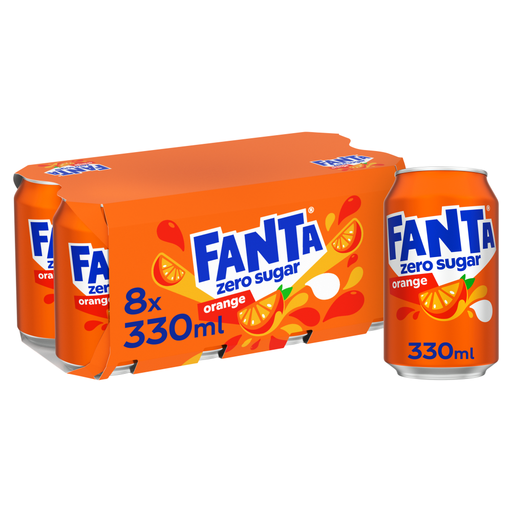 No image available
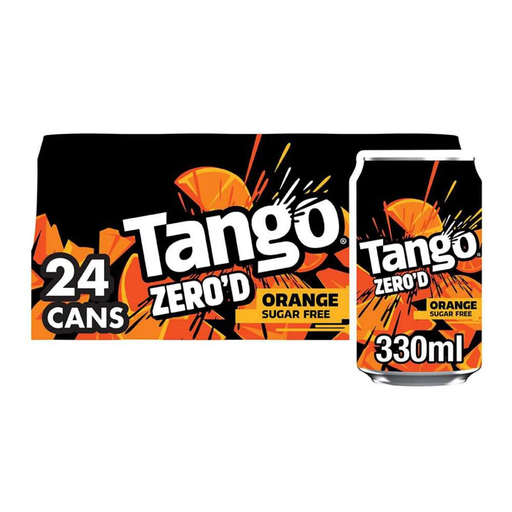
If considering one of these cans for an occasional snack, decide whether 330ml will be shared or poured into a smaller serving. Check the physical pack’s sugars declaration rather than assuming the Zero Sugar name means it contains none.
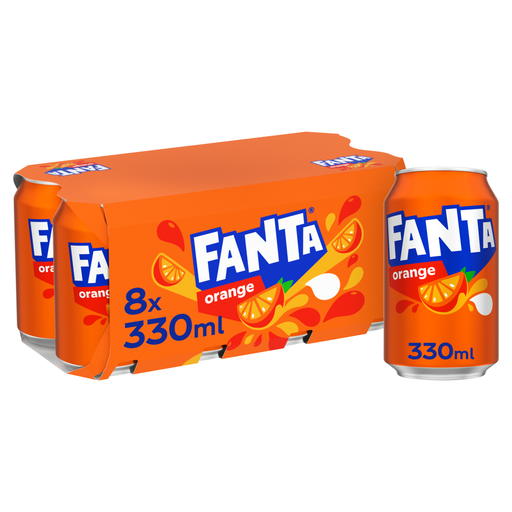 No image available
The individual cans make it straightforward to identify the amount opened for an occasional treat. Check sugars per can and the juice percentage on the current pack before choosing how much to serve.
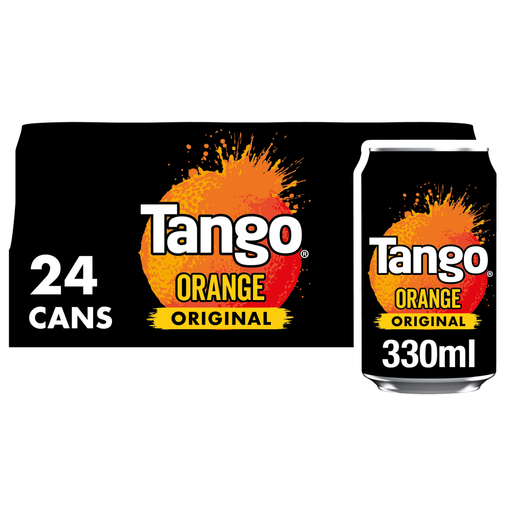 No image available
For a snack-time drink, consider the amount in one 330ml can rather than the size of the multipack. Check the pack’s sugars per can and juice content before deciding whether to open or share one.
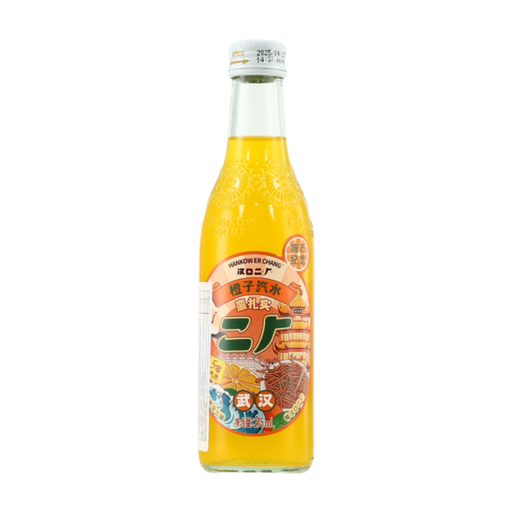 No image available
If choosing a single bottle for an occasional fizzy drink, consider whether its 275ml will be shared. Read the current pack for the juice ingredients and sugars in the amount you intend to pour.
 No image available
Each can is 330ml, so consider the amount to serve before opening one from the multipack. Check the physical pack’s sugars declaration rather than relying on the variant name.
No. Read the drink description and juice percentage: Tesco lists 2.3% orange juice in Fanta Orange Mini and 10% orange juice in its Orangina drink, while Tesco and Sainsbury’s list 16% in San Pellegrino Orange. These are sparkling drinks containing some juice, not automatically 100% orange juice.
The NHS advises limiting fruit juice and smoothies to one small glass of no more than 150ml a day, taken with a meal. That is separate from its advice that children avoid sugary fizzy drinks and juice drinks.
No. A mini-can changes the amount opened, not the drink type or NHS advice. Tesco describes its 200ml Fanta Orange Mini as a sparkling orange fruit drink with sugar and sweeteners and lists 9g sugars per can.
No. The Department for Education says the statutory School Food Standards apply to food and drink provided to pupils on school premises at state-funded schools. For a snack served at home, use NHS child-drink guidance and the product label to inform the choice.
Check the drink description, ingredients, juice percentage, sugars and container size, particularly if you are comparing the amount in a whole can or bottle. Use the current physical pack when those details affect your choice.