For everyday after-school thirst, choose water; keep sparkling orange drinks as an occasional choice rather than a routine drink. Compare the juice percentage, sugars for the amount you plan to serve and pack size. If serving a drink as fruit juice, NHS guidance says to limit fruit juice and smoothies combined to 150ml a day and keep them to mealtimes.
Who is choosing the drink?
Parents considering an occasional fizzy treat
Decide how much to pour and whether the drink belongs with a meal, rather than letting a full bottle become the automatic after-school serving. NHS guidance says fruit juice and smoothies should be kept to mealtimes.
Families comparing orange drinks
Check the stated juice percentage and ingredients. An orange-flavoured soft drink, a sparkling juice drink and a drink with a higher proportion of juice are not interchangeable descriptions.
Families comparing sugars
Use sugars per 100ml to compare labels, then consider the amount that will actually be served. Also check for sweeteners and whether the drink would be sipped between meals.
What should you compare?
Start with the ingredients and nutrition label, then decide on the serving size and occasion.
| Priority | What to check | Your needs |
|---|
| Sugars |
Compare sugars per 100ml on like-for-like labels. Check the amount in the portion you intend to serve, not just the figure for a full can. |
I want to know how much sugar is in the drink my child would actually have. A smaller pour and a full can give different portion totals. |
| Juice content |
Read the juice percentage and ingredient list. Tesco Groceries lists 12% citrus juice for Orangina and 16% orange juice for Sanpellegrino Orange; Cambridge Juice Company lists 50% orange and clementine juice. |
If juice content matters to me, I will check the percentage rather than relying on the word “orange” on the front. |
| Serving size |
Check the container volume and decide how much to pour. For fruit juice and smoothies, NHS guidance sets a combined limit of 150ml a day. |
A can or bottle need not be a single serving. If I am serving a drink as fruit juice, I need to consider other juice or smoothies that day. |
| Drinking occasion |
Consider whether the drink will be served at a meal or repeatedly sipped between meals. NHS guidance says to keep fruit juice to mealtimes; Derbyshire Family Health Service identifies acid and sugar in fizzy drinks as tooth-wear concerns. |
For between-meal thirst, I would offer water and save a fizzy orange drink for an occasional occasion. |
What is easy to overlook?
-
Assuming an orange drink is mostly juice
Juice percentages vary: Tesco Groceries lists 12% citrus juice for Orangina and 16% orange juice for Sanpellegrino Orange, while Cambridge Juice Company lists 50% orange and clementine juice.
Read the percentage and ingredients before deciding whether you want a juice-led drink or an orange-flavoured fizzy drink.
-
Treating the whole container as the serving
A container’s size does not tell you how much to pour. NHS guidance limits fruit juice and smoothies combined to 150ml a day and advises having them at mealtimes.
Decide on the portion before opening a can or bottle. If serving a drink as fruit juice, take account of other juice and smoothies that day.
-
Choosing on a sugar claim alone
A sugar figure does not tell you the juice percentage, whether the drink contains sweeteners or how much is in the container.
Compare the current label’s sugars per 100ml, ingredients and pack size together.
-
Leaving a fizzy drink to be sipped between meals
Derbyshire Family Health Service warns that acid and sugar in fizzy drinks can contribute to tooth wear. NHS guidance advises keeping fruit juice to mealtimes.
Offer water for between-meal thirst rather than making a fizzy orange drink something to sip over a long period.
Relevant brand references
Orangina
An orange-flavoured sparkling juice drink to consider when comparing listed sugar figures, rather than looking for a drink that is mostly juice.
- Tesco Groceries lists the 420ml bottle at 1.2g sugars per 100ml and 12% citrus juice.
- The listed drink contains sweeteners; decide on a portion rather than treating the bottle as one serving.
Cambridge Juice Company
Its sparkling orange-and-clementine cans offer a higher stated juice proportion than the two Tesco-listed drinks here.
- Cambridge Juice Company lists 50% not-from-concentrate orange and clementine juice with carbonated water in 250ml cans.
- Check the can’s nutrition label before comparing its sugars with other drinks.
Sanpellegrino
Its Orange drink is a sparkling soft-drink option for an occasional choice, rather than a routine thirst drink.
- Tesco Groceries lists 16% orange juice from concentrate in the 330ml can.
- Tesco Groceries lists sugar and sweetener in the ingredients and 14.5g sugars per can.
Joybuy product options
These orange-flavoured and orange-blend options give you packs of different sizes to consider for an occasional fizzy drink. Check each current label for ingredients and sugars before choosing a portion.
 No image available
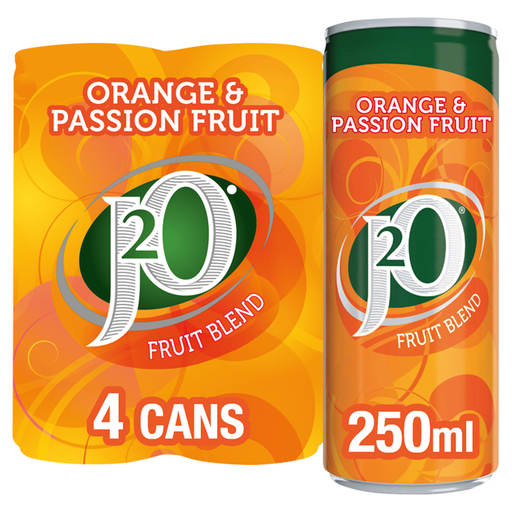
J2O Orange & Passion Fruit Blend 4x250ml
An orange and passion fruit blend for shoppers open to a mixed-fruit option. The pack contains four 250ml cans; check the current label for sugars, juice content and ingredients before deciding how much to serve.
 No image available
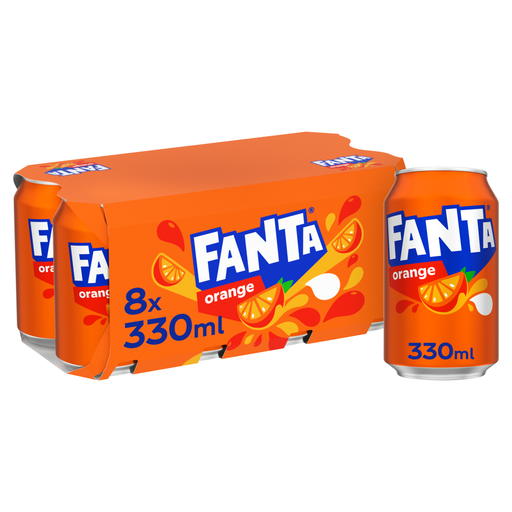
Fanta Orange 8 x 330ml
An orange soft-drink option for an occasional occasion. The pack contains eight 330ml cans; compare the current label’s sugars per 100ml with the amount you plan to serve.
 No image available
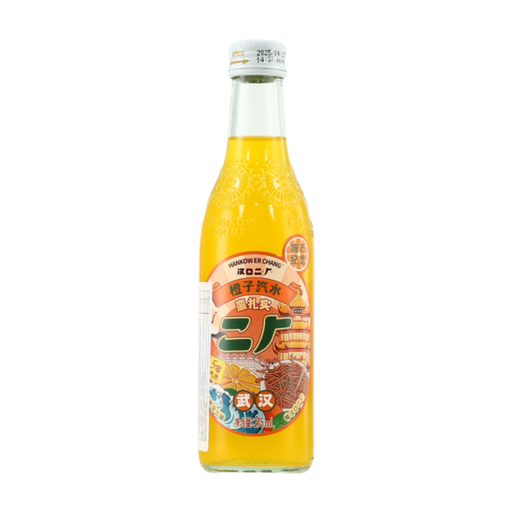
Hankow Er Chang Orange Flavored Soda Drink 275ml
A 275ml orange-flavoured soda to consider as an occasional drink. Check the bottle label for sugars and orange juice content rather than assuming the orange flavour indicates a high proportion of juice.
 No image available
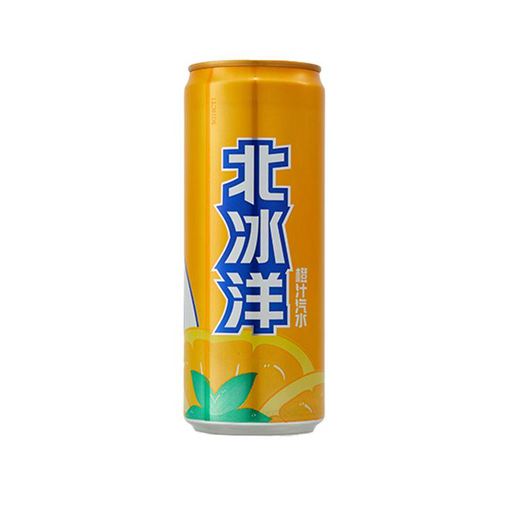
Bei Bing Yang Orange Juice Soda 330ML
A 330ml orange juice soda for an occasional fizzy-drink choice. Read the current ingredients and nutrition label to assess its juice content and sugars for the portion you intend to serve.
Questions about serving and labels
Is a sparkling orange drink an everyday after-school choice?
Water is a straightforward choice for everyday thirst; keep sparkling orange drinks occasional. If serving one as fruit juice, NHS guidance limits fruit juice and smoothies combined to 150ml a day and advises keeping them to mealtimes.
How can I tell how much juice an orange drink contains?
Check its ingredients and stated juice percentage. Tesco Groceries lists Orangina at 12% citrus juice and Sanpellegrino Orange at 16% orange juice; Cambridge Juice Company lists 50% orange and clementine juice in its sparkling cans.
Should I compare sugars per 100ml or per container?
Use per 100ml to compare drinks on the same basis, then consider sugars in the amount that would actually be served. Tesco Groceries lists 14.5g sugars in a 330ml can of Sanpellegrino Orange; its Orangina listing gives 1.2g per 100ml for a 420ml bottle. Those figures describe different amounts of drink.
Does choosing a lower-sugar fizzy drink settle the tooth-wear question?
No. Derbyshire Family Health Service identifies acid as well as sugar in fizzy drinks as a tooth-wear concern. Check the sugar label, but avoid making a fizzy drink something to sip repeatedly between meals.


