Parents choosing an occasional drink
If the drink is for a packed lunch, an after-school meal or a weekend occasion, check the portion and ingredients as well as the school’s packed-lunch policy.


For a back-to-school occasion, check whether a sparkling orange drink contains a stated proportion of juice, pressed fruit or mainly orange flavouring; they are not interchangeable with a serving of orange juice. If serving juice, the NHS advises limiting juice and smoothies to a combined 150ml a day and having them with meals. Check the school’s packed-lunch policy for drinks brought from home, or the applicable standards if the school will provide the drink.
If the drink is for a packed lunch, an after-school meal or a weekend occasion, check the portion and ingredients as well as the school’s packed-lunch policy.
Compare the declared juice percentage and ingredients to distinguish a pressed-fruit drink from an orange-flavoured soft drink.
For drinks provided by state-funded schools in England, the Department for Education says compliance with school-food standards is a legal requirement. Check the exact product and serving arrangement against the applicable standards.
Start with what is in the drink, then consider the amount served and where it will be consumed.
| Priority | What to check | Your needs |
|---|---|---|
| Fruit content | Read the declared juice percentage and ingredient list. Cambridge Juice Company lists 50% orange and clementine juice; a Sainsbury’s listing describes Sanpellegrino Orange as containing 16% orange juice from concentrate, with sugar and sweetener. | I want to know whether I am choosing a fruit-containing fizzy drink or an orange-flavoured soft drink. |
| Ingredients and sugars | Compare the current label’s ingredients and sugars per 100ml or per serving. Check separately for added sugar and sweeteners; orange wording alone does not describe the recipe. | For an occasional drink, I want to compare what is in each option rather than rely on the front of the pack. |
| Amount served | Check the container size against the amount you intend to serve. The NHS advises a combined maximum of 150ml of fruit juice and smoothies a day, consumed with meals; that guidance does not make a whole can a juice portion. | A can is convenient to carry, but I may want to serve less than the full container when choosing juice. |
| School setting | For a lunch brought from home, check the school’s packed-lunch policy. For drinks provided by a state-funded school in England, check the exact product against the applicable school-food standards; the Department for Education says compliance is legally required. | I need to know whether this is a drink I am packing or one the school will provide before buying for a school occasion. |
Recipes differ: Cambridge Juice Company lists 50% orange and clementine juice, while Sainsbury’s lists 16% orange juice from concentrate in Sanpellegrino Orange.
Compare the declared juice percentage and ingredients before deciding whether a drink meets your reason for choosing juice.
A 250ml can is larger than the NHS’s combined daily 150ml limit for fruit juice and smoothies.
If serving juice, measure the amount intended rather than assuming the full can is one daily juice portion.
The NHS recommends having fruit juice with meals and limiting the combined amount of juice and smoothies to 150ml a day.
Decide whether the drink is for a meal or an occasional event, rather than treating fizz or fruit wording as a reason to serve it throughout the school day.
The Department for Education says school-food standards are legally required for state-funded schools in England; retail sale does not establish whether a particular drink meets them.
For school-provided drinks, have the school or caterer check the current recipe and serving arrangement against the applicable standards. For a lunch brought from home, check the school’s packed-lunch policy.
Its Sparkling Orange & Clementine is a fruit-containing fizzy option sold in 12 × 250ml cans.
Its Sparkling Orange is a pressed-fruit route for shoppers who want fizz.
Sainsbury’s lists its sparkling Orange beverage in 4 × 330ml cans.
Tropicana Smooth Orange offers a still-juice reference when orange juice, rather than fizz, is the priority.
Tesco’s orange-juice listings provide still-juice formats to consider alongside fizzy drinks.
These orange-flavoured fizzy drinks suit a comparison of container and multipack sizes for an occasional school-related occasion. Check each current label for juice content, sugars and sweeteners rather than treating the drinks as servings of orange juice.
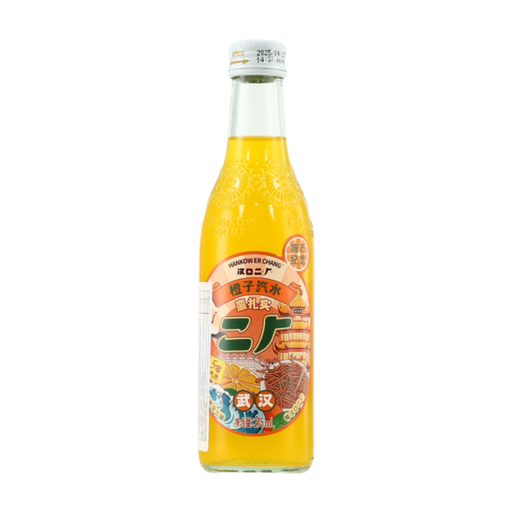 No image available
The 275ml size gives you a defined amount to consider for an occasional fizzy drink; check its current label for juice content, sugars and sweeteners.
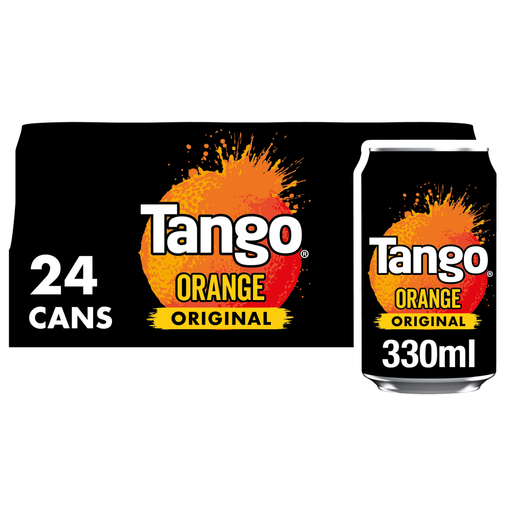 No image available
This 24-can pack contains 330ml cans. Consider whether that pack size fits the occasion, and check the current label before comparing it with juice.
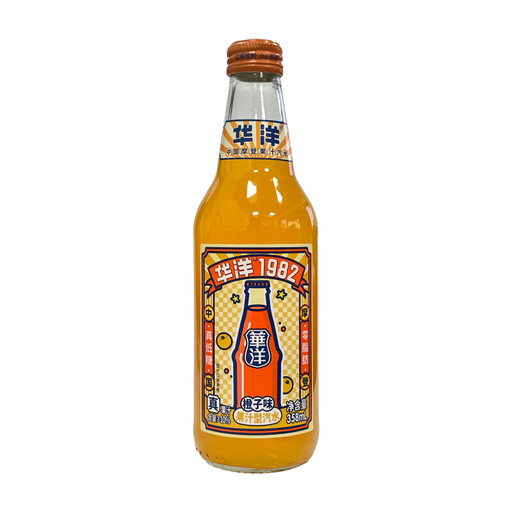 No image available
For this 358ml orange-flavoured soda drink, check the current label’s juice percentage before deciding how it compares with fruit-containing sparkling drinks.
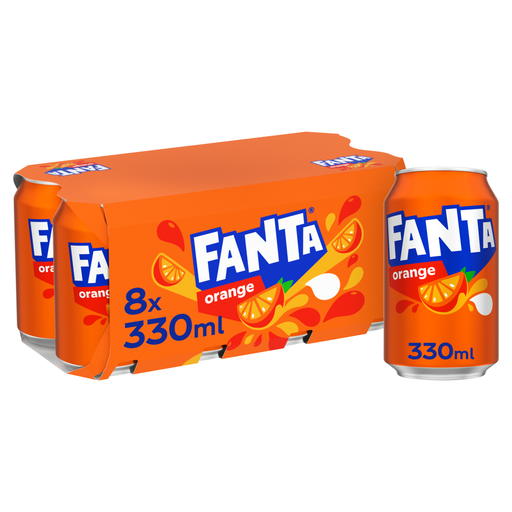 No image available
This eight-can pack contains 330ml cans. If choosing it for an occasional event, compare the label’s ingredients and serving information with the other fizzy drinks.
Not automatically. Check whether it contains juice and how much will be served. The NHS advises limiting fruit juice and smoothies to a combined 150ml a day and having them with meals; a larger can should not be assumed to be one juice portion.
No. The declared percentage and full ingredients matter: Cambridge Juice Company lists 50% orange and clementine juice in its sparkling drink, while Sainsbury’s lists 16% orange juice from concentrate, plus sugar and sweetener, in Sanpellegrino Orange. Neither percentage makes the drinks equivalent to 100% orange juice.
That depends on the exact drink and how it is provided. The Department for Education says compliance with school-food standards is a legal requirement for state-funded schools in England. The school or caterer should check the current product and serving arrangement against those standards; retail availability alone does not establish eligibility.
Check the individual school’s packed-lunch policy rather than assuming the rules for school-provided drinks answer the question. If the choice includes fruit juice, the NHS advises a combined daily juice-and-smoothie limit of 150ml and recommends having it with a meal.