Hosts comparing sugars per drink
If sugar content is the deciding factor, compare the nutrition labels on the same ready-to-drink basis. A squash figure may apply only after dilution, while a bottle of 100% juice is ready to serve.


Choose 100% orange juice if serving actual juice matters most, but do not treat “no added sugar” as sugar-free: the NHS counts sugars in unsweetened fruit juice as free sugars. For a BBQ drink intended for repeated servings, compare the prepared-drink label on a dilutable orange squash with ready-to-drink orangeade; both are different from 100% juice, and ingredients and preparation instructions matter.
The useful starting point is whether guests want orange juice itself or an orange-flavoured drink that can be served in a different format.
If sugar content is the deciding factor, compare the nutrition labels on the same ready-to-drink basis. A squash figure may apply only after dilution, while a bottle of 100% juice is ready to serve.
Choose a product described as 100% orange juice rather than an orange-flavoured soft drink. Check whether guests prefer smooth juice or juice with bits, and offer a modest glass alongside the food.
A dilutable drink can be prepared as needed, but check its sweeteners, sulphites and serving instructions before putting out a shared jug. Keep the pack available so guests can read the ingredients.
Choose it when: Guests specifically want juice made from oranges rather than an orange-flavoured drink.
Bear in mind: “No added sugar” does not remove the naturally occurring sugars in juice; the NHS counts sugars in unsweetened fruit juice as free sugars.
Choose it when: You want to prepare a shared jug to the pack’s dilution instructions rather than serve 100% juice.
Bear in mind: Squash is not plain orange juice, and its stated nutrition may apply to the prepared drink rather than the concentrate.
Choose it when: Ready-to-serve cans or bottles suit the gathering and juice is not a requirement.
Bear in mind: Orangeade is an orange-flavoured soft drink, not orange juice; check its current sugar and sweetener declarations.
| Priority | What to check | Your needs |
|---|---|---|
| Juice or flavoured drink | Read the product description and ingredients. Distinguish 100% orange juice from squash, juice drink and orange-flavoured soft drink. | I want guests expecting orange juice to receive juice, not an orange-flavoured alternative. |
| Sugar declaration | Compare “of which sugars” per 100ml and for the serving you intend to pour. For squash, check whether the figures apply after dilution. | If I am comparing sugar content, the drinks need to be measured on the same prepared basis. “No added sugar” alone does not answer that question. |
| Ingredients | Check sweeteners and any declared allergens on the current pack. Follow the stated dilution instructions for concentrated drinks. | Some guests may need to check ingredients before drinking from a shared jug. |
| Serving and storage | Compare pack size with the number of guests, then read chilling and after-opening instructions. Decide whether individual servings or a mixed jug are easier to manage. | I would rather prepare what the gathering will use than open a large juice pack without a plan for the remainder. |
A 100% juice can have no added sugar and still contain sugars from the fruit. The NHS counts sugars in unsweetened fruit juice as free sugars.
Read the ingredients and the “of which sugars” line, then compare drinks at the serving size you intend to offer.
Repeated large servings change how much juice each person drinks, even when the first glass is served with food.
Put out smaller glasses for juice and offer water alongside it for guests who want another drink.
A squash label may give nutrition for the diluted drink, while bottled juice needs no mixing. Figures with different preparation bases do not describe equivalent servings.
Follow the squash dilution instructions and compare its prepared-drink values with the ready-to-drink values on juice or orangeade.
Orange squashes and juice drinks can contain sweeteners or ingredients guests need to check. A large opened juice pack also needs to be stored and used as its label directs.
Keep ingredient labels available, and choose a pack size that fits the gathering and your plans for any remainder.
Opening more chilled juice than guests drink can leave a practical storage and waste burden.
These examples show why the product description matters more than the brand name alone: some lines are juice, while others are juice drinks, squash or orangeade.
Tropicana describes its Original Orange as 100% pressed juice, not from concentrate.
The Innocent Smooth orange juice listed by Sainsbury’s is described as 100% pure orange juice, with no added sugar.
Tesco’s No Added Sugar High Juice Orange is a concentrated orange juice drink with sweeteners, intended to be diluted.
Its Stamford Street Co. orange juice drink and Sainsbury’s orangeade represent different choices: a juice drink and an orange-flavoured carbonated soft drink.
Asda’s 50% Fruit No Added Sugar High Juice Orange is described as an orange squash with sweeteners.
M&S Smooth Orange Juice is described by Marks & Spencer as not-from-concentrate juice without artificial sweeteners, colours or flavourings.
These options cover ready-to-serve orange-flavoured drinks and one dilutable squash for a BBQ. They are not a selection of 100% orange juices, so check the product type before choosing for guests who specifically want juice.
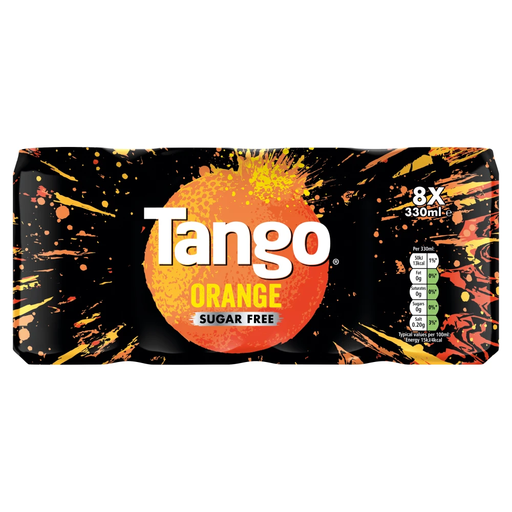 No image available
Eight individual cans suit ready-to-serve drinks at a BBQ; this carbonated orange soft drink is not 100% orange juice. Check the current ingredients for guest requirements and handle pressurised cans carefully.
 No image available
This squash can be mixed for a shared jug rather than served as 100% juice. Dilute it as directed; check the current ingredients and note the product guidance that it is not suitable for children under 36 months.
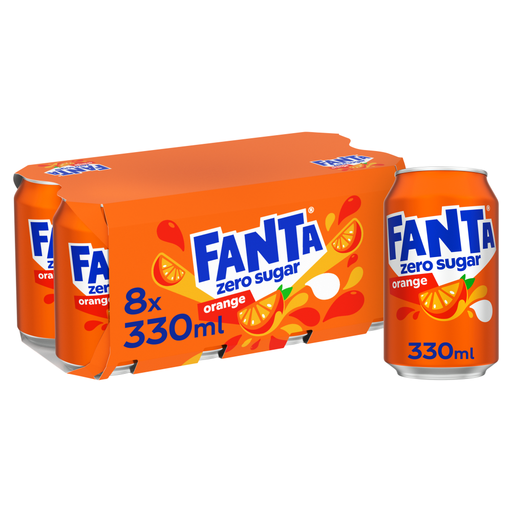 No image available
The eight cans offer individual servings of a carbonated orange soft drink, not orange juice. If the sugar figure determines your choice, check the current pack nutrition rather than relying on the variant name alone; check its sweeteners for guest requirements.
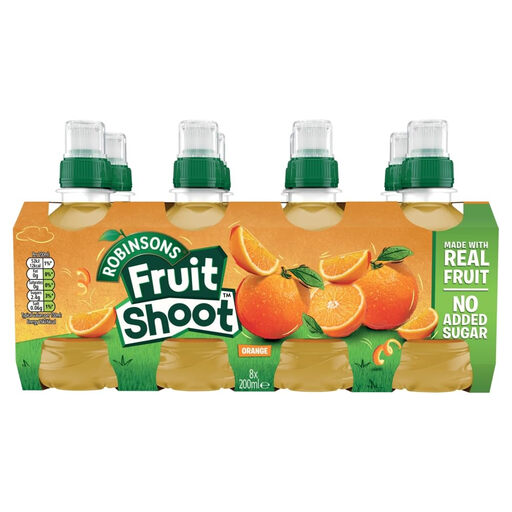 No image available
Individual bottles offer portioned orange drinks without mixing, but this is not 100% orange juice. Check the current pack for its sugar figure and ingredients; the product guidance also warns of a choking hazard and says it is not suitable for children under 36 months.
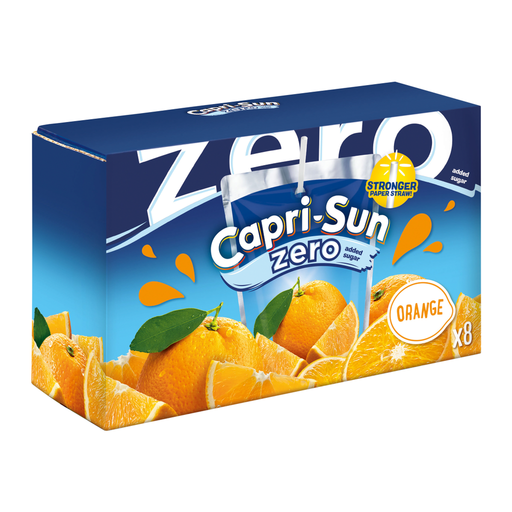 No image available
Eight individual pouches need no mixing, though the drink is not 100% orange juice. Check the current pack nutrition if the sugar figure matters; the product guidance warns about the straw and says it is not suitable for children under three.
No. A 100% orange juice can contain naturally occurring sugars without added sugar. The NHS counts sugars in unsweetened fruit juice as free sugars, so read the “of which sugars” line if sugar content affects your choice.
Offer juice as a modest serving with the food rather than assuming it serves the same purpose as water. Keep water available for guests who want another drink; the NHS counts sugars in unsweetened fruit juice as free sugars.
A squash intended for dilution lets you mix a jug to the pack’s instructions. Compare its nutrition as a prepared drink, and label the jug clearly so guests do not mistake it for 100% orange juice.
Check the current ingredients and allergen information, including sweeteners and any sulphite declaration, as well as the dilution instructions. Keep the original pack available for guests who need to inspect it.
No. Refrigeration and after-opening instructions vary by product. Check the specific bottle before choosing a large pack and plan how you will use any juice left after the BBQ.