Breakfast juice drinkers watching sugars
If you enjoy orange flavour but want to compare sugars, distinguish a portion of 100% juice from a formulated orange drink. Check the figures for the amount you will actually pour.


Choose 100% orange juice if you want juice made from fruit and can keep to the NHS advice of no more than 150ml of fruit juice and smoothies a day, with a meal. If the labelled sugar amount matters more than buying 100% juice, compare orange juice drinks and diluted cordials as prepared, checking their sugars, juice content and sweeteners; “no added sugar” does not mean sugar-free.
If you enjoy orange flavour but want to compare sugars, distinguish a portion of 100% juice from a formulated orange drink. Check the figures for the amount you will actually pour.
A larger bottle needs a serving and storage plan. NHS guidance limits fruit juice and smoothies to 150ml a day with a meal; a high-juice concentrate also needs preparing according to its label before you compare it with ready-to-drink juice.
If “no added sugar” is your starting point, read beyond the front of the pack. Such orange drinks may contain sugars and sweeteners, so the ingredients and nutrition declaration still matter.
Decide whether you want 100% juice or an orange-flavoured alternative, then compare the sugar declaration on the same ready-to-drink basis and check how you will serve and store it.
| Priority | What to check | Your needs |
|---|---|---|
| Claim and sugars | Read sugars per 100ml and per prepared serving. Check whether the pack says “no added sugar” or “sugar-free”; they do not mean the same thing. Look for sweeteners in the ingredients. | I want to know how much sugar is in the drink I will serve, rather than assume that “no added sugar” means none. Asda lists 1.0g sugars per 100ml for its 50% Fruit No Added Sugar High Juice Orange when diluted as directed. |
| Breakfast portion | For fruit juice, measure the serving: the NHS advises a maximum of 150ml of fruit juice and smoothies combined each day, with a meal. Check sugars per serving as well as per 100ml. | A small glass of 100% juice suits my breakfast better than repeatedly topping up a large one. Tropicana lists 13g sugars in a 150ml serving of its Smooth Orange value pack. |
| Juice content | Compare the stated juice percentage and ingredients. Innocent Smooth Orange is described as 100% orange juice; Asda’s 50% Fruit No Added Sugar High Juice Orange is a concentrate with sweeteners. | Do I want juice made solely from fruit, or would I rather compare the labelled sugars in a formulated orange drink? Those are different product types, even if both taste of orange. |
| Preparation | Check whether the drink is ready to serve or must be diluted. For a concentrate, follow its mixing instructions and use nutrition figures stated for the prepared drink when comparing it with bottled juice. | If I am making drinks for several people, I want to know how much concentrate to mix and what the finished drink contains. |
| Storage | Check the exact bottle’s refrigeration and after-opening instructions before choosing its size. The Asda listing for Innocent Smooth Orange specifies 0–8°C and use within four days of opening. | Will we finish a chilled bottle within its stated period, or would separate servings better fit our plans? |
A no-added-sugar drink can still list sugars: Asda’s 50% Fruit No Added Sugar High Juice Orange lists 1.0g per 100ml after dilution as directed.
Read the sugars line for the drink as served, alongside the claim and ingredients.
NHS guidance sets a maximum of 150ml of fruit juice and smoothies combined per day, with a meal, because they are high in sugar. Tropicana lists 13g sugars per 150ml serving for its Smooth Orange value pack.
Measure a 150ml serving rather than topping up a larger glass.
A concentrate’s nutrition figures may be stated for the diluted drink. Comparing those figures with ready-to-drink juice without checking the preparation basis can mislead.
Follow the mixing instructions, then compare the stated figures for the prepared drink and check its juice content.
After-opening instructions affect whether a household will use a larger bottle in time. The retailer listing for Innocent Smooth Orange says to refrigerate it and drink it within four days of opening.
Check the instructions on the bottle you buy and choose a size your household can use accordingly.
These examples show why it matters to compare the exact drink, not just the brand name; they do not indicate which products are available on Joybuy.
Its orange-juice range is relevant if you want 100% juice rather than a formulated orange drink.
Its Smooth Orange is listed by Tesco as 100% pure orange juice.
Its listed no-added-sugar orange juice drinks offer a different route from 100% juice.
Its high-juice concentrate provides an example of a no-added-sugar orange drink rather than 100% juice.
Its listed range includes pure orange juices and a separate high-juice concentrate.
These options are orange squash, mixed-fruit or orange-flavoured drinks for comparing breakfast alternatives. Do not treat the list as a selection of 100% orange juices or assume that “Zero” in a product name establishes its sugar content.
 No image available
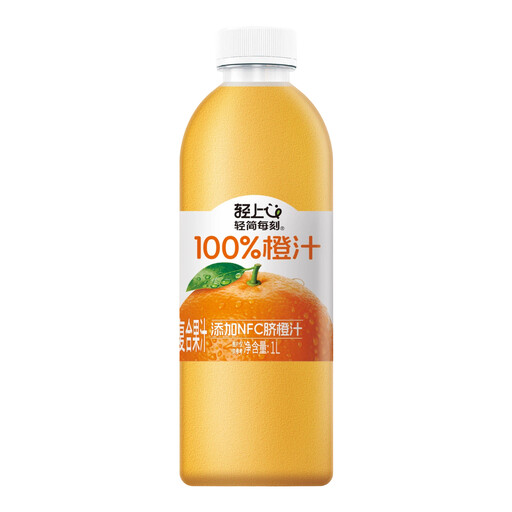
An orange squash to prepare for a shared breakfast, rather than ready-to-drink 100% juice. Joybuy describes it as made with orange fruit from concentrate. Dilute it as directed, and check the prepared-drink sugars, ingredients and age guidance on the pack before serving.
 No image available
A mixed-fruit option if you want an orange-containing breakfast drink. Although the original product name says “100% Orange Juice”, its described formulation includes water and other fruits; check the pack’s ingredients and juice content rather than treating it as 100% orange juice.
 No image available
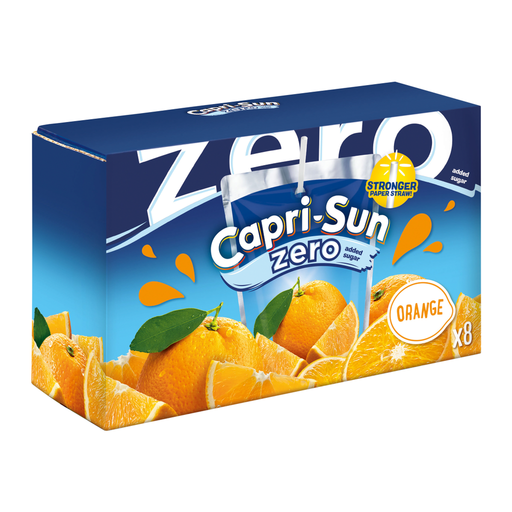
Eight separate pouches may suit a breakfast where people want individual drinks. The listed sugars figure conflicts with the “Zero” wording, so check the pack before relying on a sugar-free claim. The product information also flags a choking risk from the pouch straw for children under three.
No image available
Eight individual bottles offer a separate-drink format for breakfast. Check the nutrition declaration and ingredients rather than reading “Low Sugar” as “no added sugar” or “sugar-free”. The product information warns of a choking risk from small cap parts for children under three.
 No image available
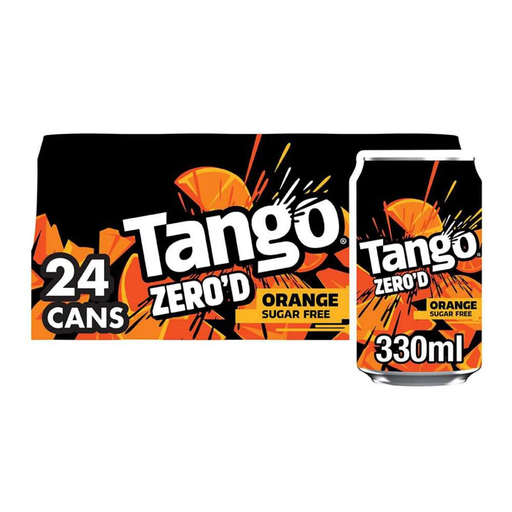
A sparkling orange drink in a multipack, rather than 100% orange juice. If the zero-sugar wording is decisive for you, check sugars per 100ml on the can before relying on the product name.
No. A no-added-sugar orange drink can still contain sugars: Asda lists 1.0g sugars per 100ml for its 50% Fruit No Added Sugar High Juice Orange when diluted as directed. Check the sugars declaration rather than treating the two claims as interchangeable.
The NHS advises limiting fruit juice and smoothies combined to one small glass of 150ml a day and having it with a meal, because they are high in sugar.
Yes. Tropicana says its juice contains naturally occurring sugars and lists 8.6g sugars per 100ml for its Smooth Orange value pack. Innocent’s Smooth Orange listing likewise notes naturally occurring sugars.
Use the nutrition figures on the preparation basis stated on each pack, and check the juice content and ingredients. Asda’s 50% Fruit No Added Sugar High Juice Orange lists 1.0g sugars per 100ml when diluted as directed and includes sweeteners.
Check its refrigeration and after-opening instructions against how quickly your household will use it. An Asda listing for Innocent Smooth Orange specifies 0–8°C storage and use within four days of opening; follow the label on the bottle you buy.