
24/7 Customer Support

Free returns

Same-day & Next-day Delivery

Quality Guaranteed

Unlock Your Welcome Offers: FREE Delivery | Up to 80% OFF | Free 30-day JoyPlus trial
Download the APP
Navigating the orange juice aisle can feel more complicated than it should. With labels shouting "from concentrate," "no added sugar" and "100% pure," it's easy to end up with a product that doesn't quite match your expectations or your budget. As your Joybuy Product Recommendation Officer, my role is to help you see past the marketing clutter and make a choice that's right for your household.
Many UK shoppers find themselves caught out by a few common pitfalls. Understanding them is the first step to smarter shopping.
Before you add any orange juice or drink to your basket, a quick check of these three factors will ensure you get what you're paying for.
This is the most important distinction. A product labelled "orange juice" must, by law, be 100% fruit juice. A product labelled "orange juice drink", however, is a beverage that contains a certain percentage of juice mixed with water, sweeteners and other flavourings. Juice drinks are often more affordable and lower in calories, making them a popular choice for kids orange juice drinks, but it's crucial to check the actual juice content listed in the ingredients.
For those seeking a no sugar orange juice or a healthier option, the nutritional panel is your source of truth. Look at the "Carbohydrates (of which sugars)" line per 100ml. This figure tells you the total sugar content, whether it's naturally occurring from the fruit or added. Low-calorie versions will often use sweeteners like sucralose or acesulfame K, which will be listed in the ingredients.
Consider how you'll be using the product.
To help you find the right fit, here are a few options from our curated selection, matched to different household needs.
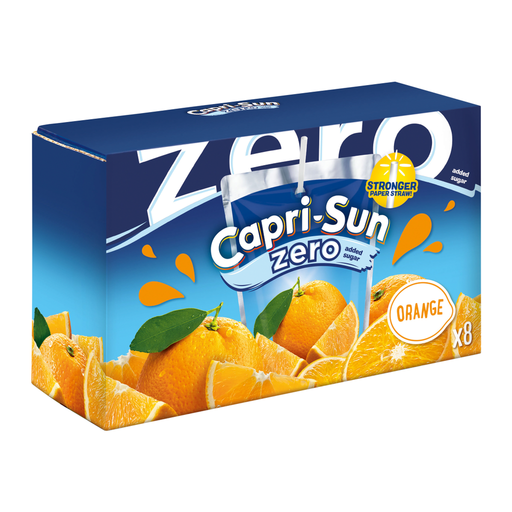
Why This Fits Their Persona: This is a practical solution for school lunchboxes and after-school activities. The individual pouches are durable, easy for kids to handle and the multipack format makes weekly planning simple.
It directly tackles the "sugar illusion." As a 'Zero' version, it uses sweeteners to provide a familiar taste with only 0.6g of sugar per 100ml, offering a low-calorie choice for parents monitoring sugar intake.
Extreme convenience in a portion-controlled format. The orange juice multipack is easy to store and grab on busy mornings.
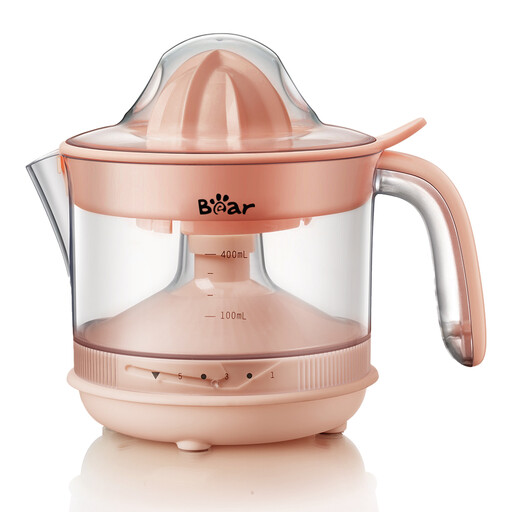
Why This Fits Their Persona: For those who prioritise freshness above all, an electric juicer is the ultimate tool. It's perfect for weekend brunches or for anyone wanting to start their day with vibrant, homemade juice without any additives.
This device sidesteps all the common pitfalls. You control the ingredients, so there are no hidden sugars, no preservatives and no debate about concentrates. It's just pure fruit juice, made by you.
Total control over the final product, from the type of orange used to the amount of pulp. This electric orange juicer features adjustable pulp levels and a large feed chute for convenience.
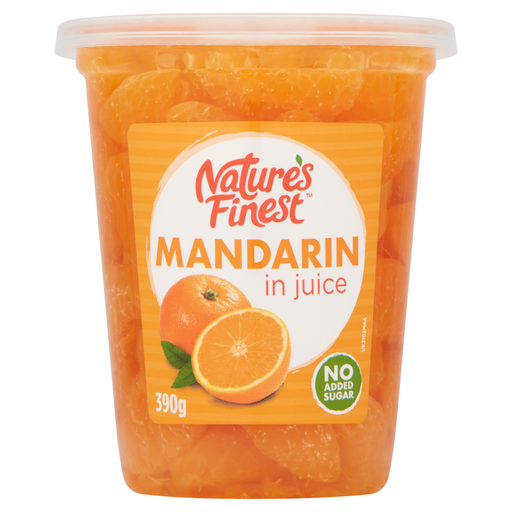
Why This Fits Their Persona: For those who want a fruit-based snack without committing to a full drink, these mandarin fruit pots are an excellent choice. They are perfect for a quick desk snack, adding to yoghurt or porridge or as a light dessert.
This product clearly demonstrates the "no added sugar" concept done right. The mandarins are preserved in pear juice, not syrup, relying on naturally occurring sugars for sweetness. It's a transparent and wholesome approach.
It's a convenient way to get one of your five-a-day. The product is ready-to-eat, has a long shelf life and offers the texture of real fruit, which can be more satisfying than a drink.
We have compiled a complete, real-time list of products that fully satisfy these strict selection criteria and UK safety regulations.
"Not from concentrate" (NFC) juice is typically pasteurised and bottled directly after being squeezed. "From concentrate" (FC) juice has its water content removed in its country of origin, is shipped as a concentrate and then has water added back before being packaged in the UK. While some people can taste a difference, modern processing for FC juice is very advanced. The main difference for most consumers is that NFC juice is usually more expensive.
When choosing kids orange juice drinks, look for three things: portion size, sugar content and ingredients. Small, individual pouches or bottles prevent over-consumption. Check the "of which sugars" per 100ml and aim for lower values. Options with no added sugar are preferable, and many brands now offer low-sugar or zero-sugar versions that use sweeteners to maintain a taste kids enjoy.
An electric orange juicer is a worthwhile investment if you and your family regularly drink fresh juice and you prioritise flavour and control over ingredients. While the initial cost is higher than buying a carton of juice, the long-term cost per glass can be lower, especially if you buy oranges in bulk. It also eliminates packaging waste and ensures your juice contains nothing but fruit.