For a christening party, 100% orange juice suits guests who want a drink made from oranges, but it is not sugar-free: the NHS advises children and adults to limit fruit juice and smoothies to a combined 150ml a day, at mealtimes. For older guests who prefer less sugar per prepared drink, compare no-added-sugar squash and orange-flavoured soft drinks by their nutrition panels and ingredients; neither is the same as pure juice. For children aged 4 or under, follow NHS advice to avoid drinks with sugar or sweeteners and provide water or age-appropriate milk instead.
Who are the drinks for?
Hosts serving adults and children aged 5 and over
Decide whether an orange-only drink or a lower-sugar orange-flavoured option matters more. If serving juice, plan the glass size alongside the NHS’s combined 150ml daily limit for fruit juice and smoothies.
Hosts expecting babies and children aged 4 or under
Plan a separate drink for younger guests rather than treating diet squash as a substitute for juice. NHS guidance advises avoiding juice before 12 months and drinks with sugar or sweeteners for children aged 4 or under; water and age-appropriate milk are the options to provide.
Guests seeking a lower-sugar orange-flavoured drink
Compare sugars per prepared serving, not just the words ‘no added sugar’. Squash, flavoured water and soft drinks can differ from pure juice in fruit content and sweeteners, so check the product description and ingredients too.
What should you check before buying?
Start with the guests’ ages, then compare the drink type and sugars in the amount you intend to serve.
| Priority | What to check | Your needs |
|---|
| Guests’ ages |
Check whether a drink contains sugar or sweeteners. NHS guidance advises avoiding these drinks for children aged 4 or under and avoiding juice before 12 months. |
I need water or age-appropriate milk available for younger children, separately from the orange drinks offered to older guests. |
| Juice portions |
Check sugars per serving and the size of the glass or carton. The NHS advises children and adults to have no more than a combined 150ml of fruit juice and smoothies a day, at mealtimes. |
If I serve 100% orange juice, I want to make the portion clear rather than treat ‘no added sugar’ as a reason to pour without measuring. |
| Drink type |
Read the product description and fruit percentage. Tropicana describes Original Orange as 100% pressed juice; Sainsbury’s describes its no-added-sugar high-juice squash as 50% fruit juice concentrate that must be diluted. |
I want to know whether I am putting pure juice or an orange-flavoured alternative on the table. |
| Sugars per glass |
Compare the stated serving sizes as well as the sugar figures. Ocado lists 12g sugars per 150ml for Innocent Smooth juice; Sainsbury’s lists 2.4g per 250ml of its high-juice squash prepared as directed. |
For guests choosing less sugar, I want a comparison based on the drink they will actually consume, not on squash concentrate or differently sized servings. |
| Ingredients |
Check sweeteners and allergen information on the current pack. Marks & Spencer lists sucralose in its Mediterranean Orange High Juice; the product information also identifies sulphites. |
If a guest has an ingredient restriction, I need to check the exact drink before serving it rather than rely on a front-of-pack sugar claim. |
What is easy to overlook?
-
Reading ‘no added sugar’ as ‘sugar-free’
Pure orange juice contains naturally occurring sugars even when no sugar has been added. Innocent Smooth, for example, lists 12g sugars per 150ml on the product information published by Ocado.
Check total sugars on the nutrition panel and distinguish 100% juice from squash or a flavoured soft drink.
-
Offering diet drinks to the youngest guests
A no-added-sugar drink may still contain sweeteners. The NHS advises avoiding drinks with sugar or sweeteners for children aged 4 or under.
Arrange water or age-appropriate milk for younger children instead of making juice or sweetened squash their default party drink.
-
Comparing squash concentrate with ready-to-drink juice
The stated sugars per serving for a squash can refer to the drink after water has been added. Sainsbury’s directs shoppers to mix one part of its high-juice orange squash with four parts water.
Follow the ratio on the bottle, then compare nutrition figures for the portions you plan to serve.
-
Overlooking the ingredients behind a lower sugar figure
No-added-sugar high-juice squash is not simply orange juice with less sugar. The Marks & Spencer and Sainsbury’s examples list sweeteners, and their product information identifies sulphites.
Read the current ingredient and allergen information when choosing a drink for someone with a relevant restriction.
Relevant brand examples
These product lines illustrate differences in juice content, serving size and preparation; a brand name alone does not tell you which drink is in the pack.
Tropicana
Tropicana describes Original Orange as 100% pure pressed juice, not from concentrate.
- Its orange-only description suits a table where pure juice is the intended drink.
- Tropicana says the juice has no added sugar but does contain naturally occurring sugars; it is not a sugar-free option.
Innocent
Innocent Smooth is a 100% orange juice sold in larger bottles and a 250ml individual bottle.
- The individual bottle offers a defined pack size when planning servings.
- Ocado lists 12g sugars per 150ml for Smooth juice, while Tesco lists 8.8g per 100ml for the 250ml bottle. Check the serving size when comparing the two labels.
M&S
M&S offers Smooth Orange Juice and a separate Mediterranean Orange High Juice squash.
- The two product types let hosts choose between juice and a squash intended for dilution.
- The high-juice squash contains 50% orange juice concentrate and lists sucralose; check its ingredients and prepared-drink nutrition rather than treating it as pure juice.
Sainsbury’s
Sainsbury’s lists both 100% orange juice cartons and a no-added-sugar high-juice orange squash.
- Its 200ml juice carton has a defined portion and lists 16g sugars per carton.
- Its 50% fruit high-juice squash contains sweeteners and lists 2.4g sugars per 250ml only when prepared as directed.
Orange drink options on Joybuy
These options are orange-flavoured squash and ready-to-drink alternatives for the party, rather than a selection of 100% orange juices. Check each pack’s sugar figure and ingredients, particularly if younger children will attend.
 No image available
Robinsons No Added Sugar Orange Squash 1L
The 1L squash format suits a party where guests can be served a drink prepared with water rather than pure juice. Follow the bottle’s dilution directions, and check the current label for sweeteners and sulphites before serving guests with relevant restrictions.
View on Joybuy
 No image available
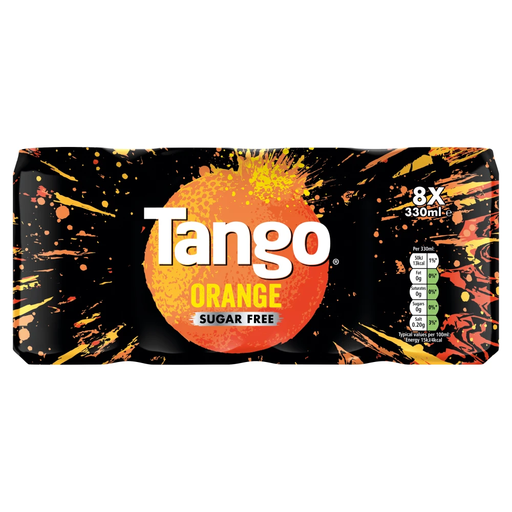
Tango Orange Sugar Free 8 x 330ml
These ready-to-drink cans are a carbonated orange soft drink, not orange juice. Check the sugar figure and sweeteners on the pack; NHS guidance advises avoiding drinks with sweeteners for children aged 4 or under.
View on Joybuy
 No image available
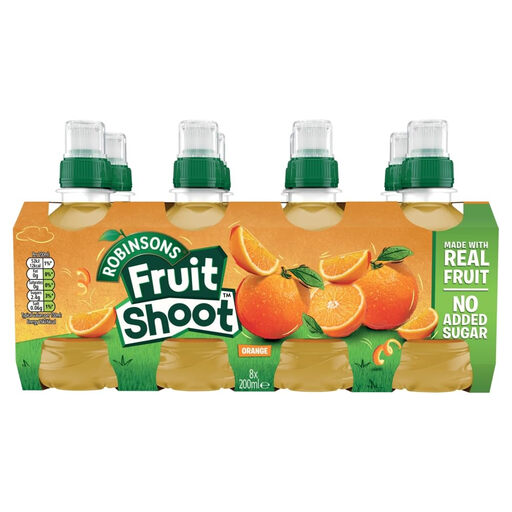
Fruitshoot Orange Low Sugar 8 x 200ml
The individual 200ml bottles provide defined portions of an orange drink rather than 100% juice. The product information warns that its caps present a small-parts risk for children under 36 months; also follow NHS guidance on drinks with sweeteners for children aged 4 or under.
View on Joybuy
 No image available
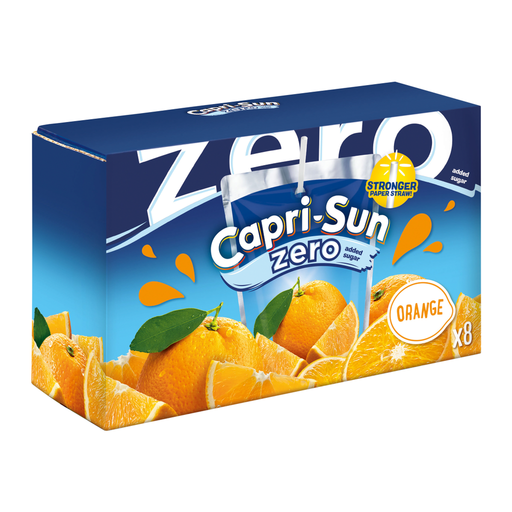
Capri-Sun Zero Orange 8 x 200ml
These 200ml pouches offer individual servings of an orange-flavoured drink, not pure juice. Despite the Zero name, the supplied nutrition information lists some sugars, so check the current pack if an exact zero-sugar figure matters. The product information also warns of a straw-related choking risk for children under 3.
View on Joybuy
 No image available
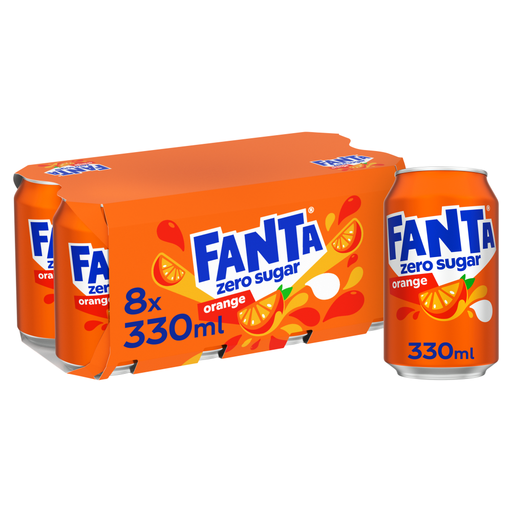
Fanta Orange Zero Sugar 8 x 330ml
This eight-can pack is a carbonated orange soft drink rather than juice. Its supplied nutrition information lists some sugars despite the Zero Sugar name; check the current pack if that distinction matters, and note that it contains sweeteners.
View on Joybuy
Common questions
Does ‘no added sugar’ orange juice contain no sugar?
No. Tropicana describes Original Orange as having no added sugar while still containing naturally occurring sugars; Ocado lists 12g sugars per 150ml for Innocent Smooth orange juice. Read the total sugars figure as well as the front-of-pack wording.
Should I serve orange juice to the baby being christened?
For a baby under 12 months, NHS guidance says fruit juice and smoothies are best avoided. Provide water or age-appropriate milk for the baby rather than planning the party’s orange drinks around them.
Is no-added-sugar orange squash suitable for toddlers?
Do not assume it is. NHS guidance advises against diet or reduced-sugar drinks for babies and toddlers and says children aged 4 or under should avoid drinks with sugar or sweeteners. Check the squash’s ingredients and provide an age-appropriate alternative.
How do I compare squash with orange juice?
Compare the drink as it will be served. Sainsbury’s instructs shoppers to mix one part of its no-added-sugar high-juice squash with four parts water and lists 2.4g sugars per prepared 250ml serving. Juice labels may use a different serving size, so check both volumes before comparing figures.
Do lower-sugar orange drinks contain sweeteners?
Some do: Marks & Spencer lists sucralose in Mediterranean Orange High Juice, and Sainsbury’s describes its no-added-sugar high-juice squash as containing sweeteners. Read the current ingredients for the particular drink, especially when serving someone with an ingredient restriction.


