What should you check before choosing?
Start with the type of drink, then compare its sugar figure, the amount you intend to pour and any ingredients you need to check.
| Priority |
What to check |
Your needs |
| Listed sugars |
Read “of which sugars” per 100ml or 100g and for the portion you plan to drink. Keep those different measurement bases in view rather than treating their figures as directly alike. |
I want to compare the sugar in my actual drink, not assume that “no added sugar” means none. Tropicana lists 8.4g per 100ml for Smooth Orange; Marks & Spencer lists 1.1g per 100g for Mediterranean Orange High Juice. |
| Drink type |
Check whether the label says 100% juice, high juice, squash or orange-flavoured soft drink. Read the juice percentage and ingredient list. |
If I want orange juice itself, a diluted orange drink is a different choice. Marks & Spencer lists 50% orange juice in its Mediterranean Orange High Juice, compared with its Pure Squeezed Orange Juice Smooth, which it describes as juice with nothing else added. |
| Juice portion |
Measure a juice serving rather than judging it by the size of the bottle or glass. The NHS advises no more than 150ml of fruit juice and smoothies combined per day. |
A 150ml afternoon juice uses that day’s combined juice-and-smoothie allowance under NHS guidance, so I would also count any other juice or smoothie I drink. |
| Ingredients |
Read the current ingredients and allergen declaration, particularly when changing from plain juice to high juice, squash or a diet drink. |
I may prefer to avoid a particular sweetener or need to check for sulphites. Marks & Spencer lists both sucralose and sulphites in its Mediterranean Orange High Juice. |
Orange-drink options on Joybuy
These options are orange-flavoured soft drinks, squash and juice drinks for shoppers considering an alternative to 100% orange juice. Check each pack’s sugar figure and ingredients against the kind of drink you want.
 No image available
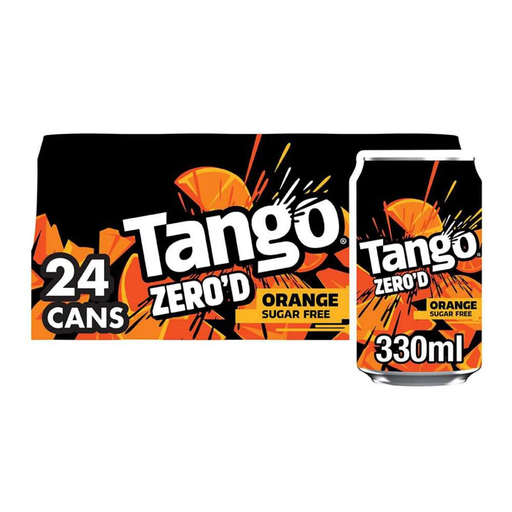
Tango Orange Zero'd, 24 × 330ml
A ready-to-drink orange-flavoured option in 330ml cans, rather than 100% orange juice. Check the current pack’s sugars figure before relying on the Zero'd wording; the product information identifies acesulfame K and sucralose.
View on Joybuy
 No image available
Robinsons No Added Sugar Orange Squash, 1L
This is squash to dilute for an afternoon drink, not ready-to-drink orange juice; do not drink it undiluted. Check the dilution instructions and the current label if you need a precise sugars figure. The product information identifies sweeteners and sulphites.
View on Joybuy
 No image available
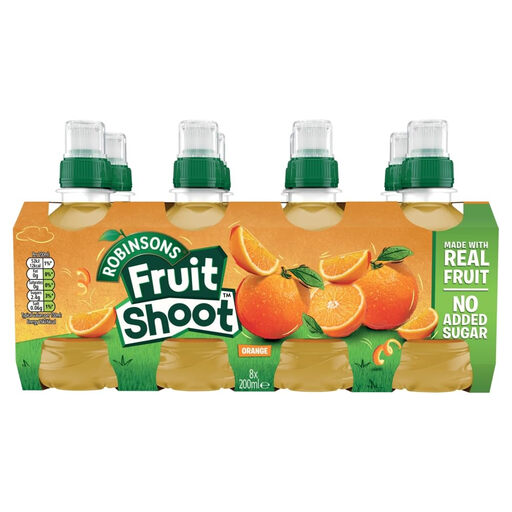
Fruitshoot Orange Low Sugar, 8 × 200ml
Individual bottles offer a ready-to-drink orange option. Check the pack’s sugars figure and ingredients rather than treating “low sugar” as a zero-sugar claim. The product information lists sucralose and acesulfame K; its caps contain small parts, and the bottles are unsuitable for children under 36 months.
View on Joybuy
 No image available
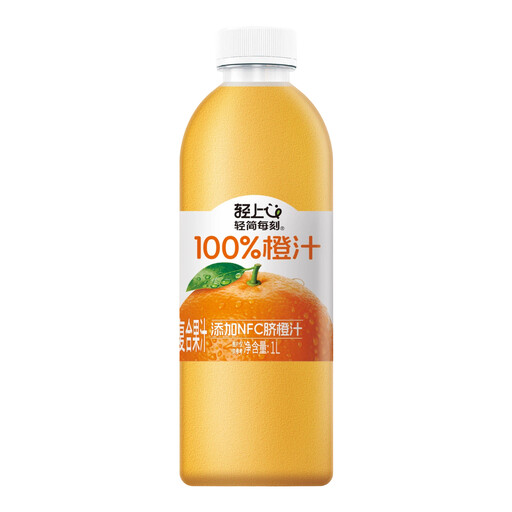
LIGHT UP Every Moment Orange Multi-fruit Drink, 1L
Consider this if a ready-to-drink orange and multi-fruit option suits your snack. Although the original product title uses “100% Orange Juice”, the described ingredients include water and several fruits; do not assume it is 100% orange juice. Confirm the drink description and nutrition panel on the current pack.
View on Joybuy
 No image available
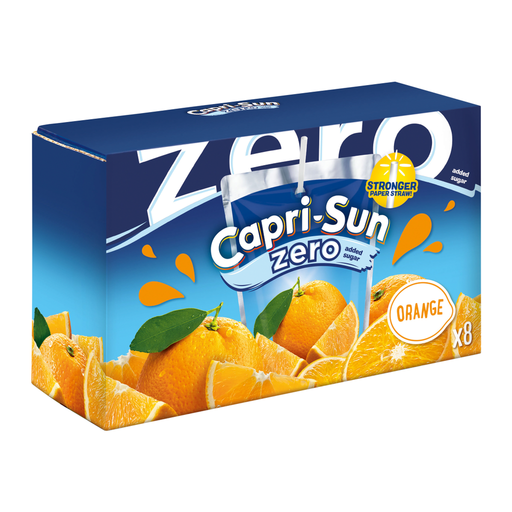
Capri-Sun Zero Orange, 8 × 200ml
The 200ml pouches are a ready-to-drink orange option, not 100% orange juice. The Zero wording conflicts with a listed figure of 0.6g sugars per 100ml, so check the current pack before relying on a zero-sugar claim. The product information lists sucralose and says the straw presents a choking hazard for children under 3.
View on Joybuy
Questions about orange drinks and sugar
Does “no added sugar” mean an orange drink is sugar-free?
No. Marks & Spencer’s no-added-sugar Mediterranean Orange High Juice lists 1.1g sugars per 100g. Read “of which sugars” on the drink you plan to buy rather than treating the two label claims as equivalent.
How much fruit juice does the NHS advise in a day?
The NHS advises no more than 150ml of fruit juice and smoothies combined per day. If you have orange juice with an afternoon snack, count any other juice or smoothies you have that day within that combined amount.
Do naturally occurring sugars in orange juice count?
Yes. The NHS classifies sugars in unsweetened fruit juice as free sugars, even though they occur naturally. Check both the listed sugars and the size of the serving you pour.
Is orange high juice the same as 100% orange juice?
No. Marks & Spencer lists 50% orange juice, sucralose and sulphites in its Mediterranean Orange High Juice. It may suit someone prioritising its lower listed sugar value, but check the ingredients if you specifically want 100% juice or need to avoid sulphites.
What should I check on a diet orange drink?
Check the drink type, sugars per 100ml or 100g, the amount you will drink, and the ingredient and allergen declarations. Confirm those details on the current pack, particularly if a sweetener, sulphites or a zero-sugar claim determines your choice.


