Shoppers who want pure orange juice
If the drink is part of a meal with snacks, 100% orange juice offers an all-fruit choice. NHS guidance is to limit fruit juice and smoothies combined to one small 150 ml glass a day and have it with a meal.


Choose 100% orange juice if you want an all-fruit drink with a meal; NHS guidance limits fruit juice and smoothies combined to 150 ml a day. For a drink you expect to have throughout a longer gaming session, compare the sugars in a full ready-to-drink orange drink or a correctly diluted glass of high juice instead. Check fruit content, sweeteners and sulphites as well as the sugars figure: these drinks are not interchangeable with pure juice.
If the drink is part of a meal with snacks, 100% orange juice offers an all-fruit choice. NHS guidance is to limit fruit juice and smoothies combined to one small 150 ml glass a day and have it with a meal.
A ready-to-drink orange juice drink or a high juice diluted with water gives you a different format to compare with pure juice. Check sugars for the bottle or prepared glass you will actually drink.
Read the ingredients and allergen statement if you avoid sweeteners or sulphites. Some of the orange juice drinks and high juices discussed here contain them; a no-added-sugar label does not answer that question.
Decide whether you want pure juice, a ready-to-drink juice drink or a concentrate to dilute; then compare the label for the amount you plan to serve.
| Priority | What to check | Your needs |
|---|---|---|
| Sugars per drink | Compare “of which sugars” for a 150 ml juice serving, a full bottle or a prepared glass. Tropicana lists 13 g per 150 ml of its Smooth Orange juice; Tesco lists 2.7 g per 250 ml Fruit Splash bottle. The serving sizes differ. | I want to know how much sugar is in the amount I will pour or finish, rather than judging a drink by “no added sugar” on the front. |
| Drink format | Check whether the label says 100% orange juice, juice drink or high juice. Tesco lists 12% orange juice in Fruit Splash; its High Juice is a concentrate to dilute one part squash to four parts water. | For a meal with snacks, I might choose pure juice. For a longer session, I may prefer a bottle I can open or a drink I can make with water. |
| Ingredients | Read the fruit percentage, sweetener ingredients and allergen statement. ASDA lists sulphur dioxide or sulphites on its 50% Fruit No Added Sugar High Juice. | Sweeteners matter to my choice, or I need to avoid sulphites; a sugars figure alone will not tell me what is in the drink. |
| Storage and preparation | Check refrigeration, the period after opening and any dilution directions. Tesco lists four days after opening for Innocent Smooth Orange Juice; Marks & Spencer lists 24 hours for its Freshly Squeezed Smooth Orange Juice. | If I only want a small serving occasionally, I need a pack I can use within its stated opened-life. If I choose high juice, I will make it as directed. |
A drink can contain sugars without sugar being added. Tropicana lists 13 g sugars per 150 ml of its 100% orange juice; ASDA lists 2.5 g per 250 ml of its high juice diluted as directed. These are different drinks and serving sizes.
Check “of which sugars” for the serving you will have, and distinguish pure juice from a prepared diluted drink.
High-juice nutrition per glass depends on dilution. A stronger mix is not the serving described by a label value based on the manufacturer’s directions.
Follow the pack’s dilution instructions before comparing its prepared-serving figures with a ready-to-drink bottle.
Some no-added-sugar orange drinks contain sweeteners, while the checked ASDA high juice declares sulphites. Either detail may affect an ingredient-based choice.
Read the current ingredients and allergen statement, not just the front-of-pack wording.
Opened-life instructions differ: Tesco lists four days for Innocent Smooth Orange Juice, while Marks & Spencer lists 24 hours for its Freshly Squeezed Smooth Orange Juice.
Choose a pack size you expect to use within its own storage instructions and keep it refrigerated as directed.
A larger carton may be wasted if you only drink juice occasionally and cannot finish it within its stated opened-life.
These label examples show how particular products differ; a brand name alone does not identify the fruit content or sugars in every drink it sells.
Tropicana describes its Smooth Orange as 100% pressed orange juice, not from concentrate.
Tesco lists Innocent Smooth Orange Juice as 100% pure orange juice.
Tesco lists both a ready-to-drink orange juice drink and an orange high juice to dilute.
Sainsbury's lists No Added Sugar Fruit Slurps as a ready-to-drink orange juice drink.
ASDA lists its 50% Fruit No Added Sugar High Juice Orange as a concentrate to dilute.
Marks & Spencer lists both Freshly Squeezed Smooth Orange Juice and Mediterranean Orange High Juice.
These Joybuy options cover portioned orange-flavoured drinks, an orange squash to dilute and a ready-to-drink fruit blend. They do not all represent 100% orange juice; check each current label against the format you want.
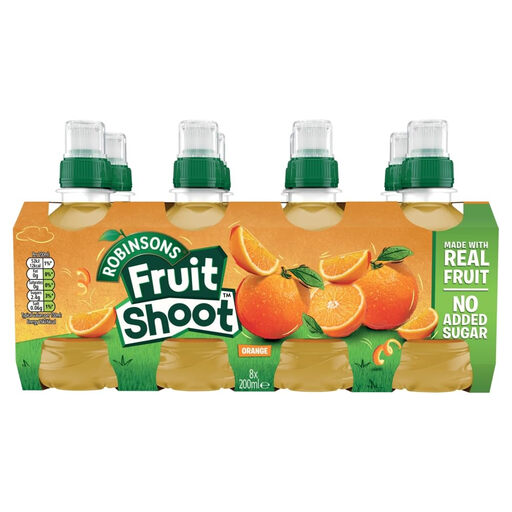 No image available
The 8 × 200 ml format offers individual drinks alongside snacks. Check the current pack’s sugars per bottle and ingredients if sweeteners affect your choice; the product information identifies sucralose and acesulfame K. The listed cap warning says it is not suitable for children under 36 months.
 No image available
This is a squash to prepare with water rather than a ready-to-drink juice. Follow the current pack’s dilution directions before comparing a prepared glass with other drinks, and check its ingredients if you avoid sweeteners or sulphites.
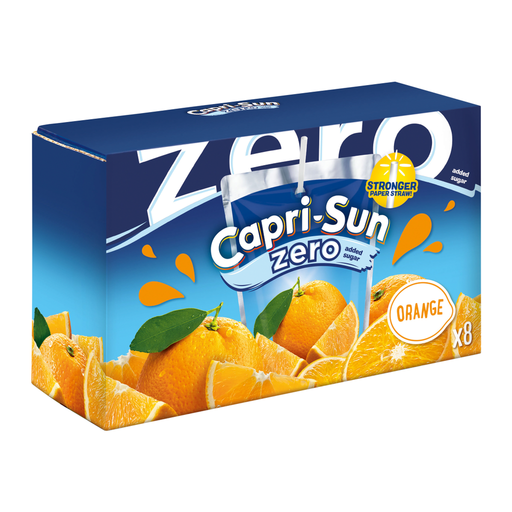 No image available
The 8 × 200 ml pack provides portioned orange-flavoured drinks for snacks. Do not read “Zero” in the name as proof of zero sugars: check the sugars line on the current pack. The product information identifies sucralose and includes a straw choking warning for children under three.
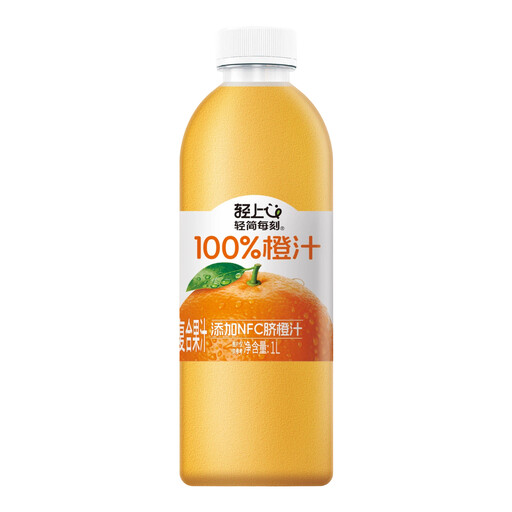 No image available
This ready-to-drink 1L option is described as a blend containing orange, apple, mandarin and mango, not as juice made solely from oranges. Check the current ingredients, sugars line and the amount you intend to pour rather than relying on the “100% Orange Juice” wording in its longer product title.
No. A no-added-sugar drink can still contain sugars. ASDA lists 2.5 g sugars per 250 ml of its orange high juice diluted as directed, while Tropicana lists 13 g per 150 ml of its 100% orange juice. Check “of which sugars” for the drink and serving you choose.
NHS guidance says to limit fruit juice and smoothies combined to one small glass of 150 ml a day and drink them with a meal. Pour a defined serving with food rather than repeatedly topping up a glass throughout a gaming session.
No. Check the fruit percentage and ingredients as well as sugars per bottle or prepared glass. Tesco’s Fruit Splash lists 12% orange juice and sweeteners, whereas the Innocent Smooth Orange Juice listed by Tesco is 100% pure orange juice.
Read the ingredient list rather than choosing by the sugars figure alone. Some of the no-added-sugar orange drinks discussed here list sweeteners; a 100% orange juice offers a different formulation but still contains naturally occurring sugars.
Check the current ingredients and allergen statement for sulphur dioxide or sulphites. ASDA declares them on its 50% Fruit No Added Sugar High Juice Orange; the Food Standards Agency identifies sulphites as relevant to people with a sensitivity.