People preparing for longer endurance exercise
If you want some carbohydrate before a longer run or ride, the drink’s carbohydrate content and serving size matter. Juice need not become a large-volume training drink.


For a longer endurance session, a measured serving of 100% orange juice can contribute carbohydrate as part of a meal or snack; a zero-sugar orange-flavoured drink is a different choice when you want the flavour without relying on the drink for carbohydrate. A 2020 review in Nutrients reports a performance benefit from pre-exercise carbohydrate for longer, but not shorter, endurance exercise. The NHS advises limiting fruit juice and smoothies together to 150ml a day and having them with a meal.
If you want some carbohydrate before a longer run or ride, the drink’s carbohydrate content and serving size matter. Juice need not become a large-volume training drink.
If you want an orange-flavoured drink before a session, check whether you are choosing 100% juice or a sweetened soft drink. The labels describe different types of product.
If you track the carbohydrate in drinks, check the nutrition panel for the amount you intend to pour. “No added sugar” on juice does not mean that the drink contains no sugars.
Decide whether the drink is meant to contribute carbohydrate or simply provide orange flavour, then compare the label using the amount you would actually drink.
Consider it when: You want a measured carbohydrate contribution alongside food before longer endurance exercise.
Keep in mind: No added sugar does not mean sugar-free, and NHS advice limits fruit juice and smoothies together to 150ml a day, with a meal.
Consider it when: You want orange flavour without choosing juice as a carbohydrate source.
Keep in mind: Orange-flavoured soft drinks with sweeteners are not interchangeable with 100% juice when carbohydrate is the reason for your choice.
| Priority | What to check | Your needs |
|---|---|---|
| Carbohydrate | Read carbohydrate per 100ml and for the serving you plan to drink. Check whether the product is 100% juice or an orange-flavoured soft drink. | I want the drink to contribute carbohydrate before a longer endurance session, rather than choosing it for flavour alone. |
| Sugars and labelling | Compare the sugars figure with the ingredients and product description. “No added sugar” does not mean “zero sugar”. | Orange flavour is my main aim, so I would rather compare zero-sugar soft drinks than assume a no-added-sugar juice has no sugars. |
| Juice portion | Measure the amount poured. The NHS advises no more than 150ml of fruit juice and smoothies combined per day, taken with a meal. | If I choose juice, I want to account for that serving within the day’s drinks and food, not drink straight from a large bottle. |
Tropicana describes Smooth Orange as 100% pressed fruit juice with no added sugar. Tesco describes Orange Zero as a carbonated orange-flavoured soft drink with sweeteners. The two labels do not identify the same type of drink.
Check the product description and compare carbohydrate and sugars for the serving you intend to have.
The NHS advises limiting fruit juice and smoothies together to 150ml a day and drinking them with a meal.
Measure a juice portion rather than using the bottle size as your guide; choose another drink if you want more to drink.
A 2020 review in Nutrients reports improved performance after pre-exercise carbohydrate for longer, but not shorter, endurance exercise. That finding does not make juice necessary before a brief gym session.
Consider the planned session and what you have already eaten before deciding whether you want carbohydrate from your drink.
These product examples illustrate the difference between juice and orange-flavoured soft drinks; a brand name alone does not tell you the carbohydrate content of a particular drink.
Tropicana UK describes Smooth Orange as 100% pressed fruit juice with no added sugar.
M&S lists a Freshly Squeezed Smooth Orange Juice for shoppers considering a supermarket juice.
Tesco describes Orange Zero as a no-added-sugar, carbonated orange-flavoured soft drink with sweeteners.
ASDA lists Club Zero Orange as a carbonated, sugar-free orange soft drink with sweeteners.
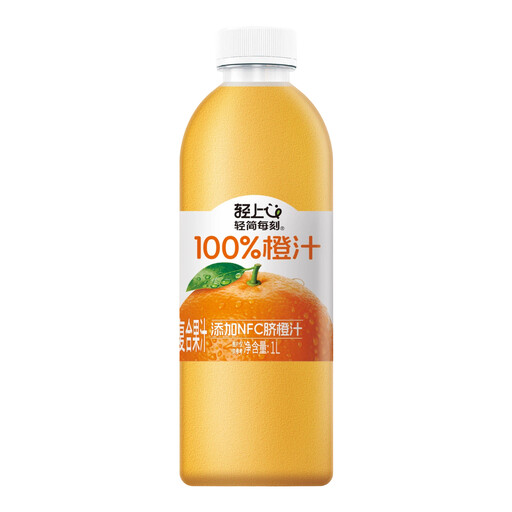
This orange-and-multi-fruit option is relevant when comparing drink labels before exercise. Check its ingredients and serving nutrition rather than treating orange flavour as proof that it is 100% orange juice.
 No image available
For a pre-exercise drink choice, compare the carbohydrate and sugars for the amount you would pour. This 1L product is described as containing multiple fruits, so do not treat its orange wording as confirmation that it is 100% orange juice; check the ingredients on the pack.
No. “No added sugar” does not mean sugar-free. Tropicana UK describes Smooth Orange as 100% pressed fruit juice with no added sugar; check the sugars figure on the nutrition panel for the portion you intend to drink.
It can serve the same orange-flavour preference, but not the same purpose if you are choosing juice for carbohydrate. Tesco Orange Zero and Club Zero Orange are described as orange-flavoured soft drinks with sweeteners, so compare their nutrition panels with juice rather than treating them as equivalent products.
The NHS advises limiting fruit juice and smoothies together to one small glass of 150ml a day and having it with a meal. Measure the serving if you choose juice alongside a pre-exercise meal or snack.