Meeting organisers serving mixed preferences
Offer water alongside any juice, and identify orange squash or juice drinks separately. ‘No added sugar’ on a juice carton does not mean the drink contains no sugar.


Offer 100% orange juice as an optional, measured 150ml serving when attendees want juice, alongside water or other lower-sugar drinks. Juice labelled ‘no added sugar’ still contains free sugars; an orange squash is a different choice that needs dilution and an ingredients check, not a sugar-free version of juice.
At a meeting with mixed preferences, a choice of clearly identified drinks is more useful than treating every orange-flavoured option as interchangeable.
Offer water alongside any juice, and identify orange squash or juice drinks separately. ‘No added sugar’ on a juice carton does not mean the drink contains no sugar.
Diabetes UK distinguishes whole fruit from juice: sugars in fruit juice count as free sugars. A measured juice serving and a non-juice drink give attendees a clearer choice.
A diluted squash or juice drink may suit people who want orange flavour rather than 100% juice. Check its prepared-drink nutrition and ingredients, including sweeteners and any declared sulphites.
Decide whether the meeting needs juice, an orange-flavoured alternative or simply a choice of drinks; then compare labels on the basis of what will actually be served.
Choose when: Attendees specifically want juice and you can offer measured 150ml servings.
Bear in mind: The NHS says juice and smoothies count only once towards 5 A Day and advises a combined limit of 150ml a day; their sugars count as free sugars.
Choose when: Orange flavour matters more than serving 100% juice, and the product’s ingredients suit the attendees.
Bear in mind: Squash needs preparation as directed; check its diluted-serving figures and any sweeteners or sulphites.
Choose when: You need a main refreshment that does not assume everyone wants fruit juice.
Bear in mind: This does not provide the fruit-juice contribution towards 5 A Day; juice can remain a separate option.
| Priority | What to check | When it matters to me |
|---|---|---|
| Juice portions | Read sugars per stated serving. If offering juice, measure 150ml rather than free-pouring; the NHS advises limiting juice and smoothies to a combined 150ml a day. | I want attendees to be able to choose juice without mistaking ‘no added sugar’ for sugar-free. Diabetes UK says sugars in fruit juice count as free sugars. |
| Drink type | Check whether the label says 100% juice, juice drink or squash. For squash, use nutrition values for the prepared drink and follow its dilution directions. | Orange flavour is enough for this meeting, but I need to know what is in the drink, including sweeteners and declared allergens. |
| Serving and storage | Check pack size and whether opened juice needs refrigeration. Follow the period on that product’s label; Tesco’s listed orange juices, for example, give different post-opening periods. | I need a format that is straightforward to serve and can be stored as its label directs after the meeting. |
Even juice with no added sugar contains naturally occurring sugars. Diabetes UK says sugars in fruit juice count as free sugars, so a juice-only drinks table may not suit everyone.
Provide water or another drink separately, and label juice as an optional, measured 150ml serving.
Asda gives the nutrition for its high-juice squash as a 250ml diluted serving. That is a different basis from an undiluted concentrate or a 150ml serving of ready-to-drink juice.
Follow the product’s preparation directions and check both serving volume and dilution before comparing nutrition panels.
The listed Asda and M&S no-added-sugar orange squashes include sweeteners and sulphites. ‘No added sugar’ does not describe everything in the drink.
Read the ingredients and highlighted allergens, and label a prepared dispenser clearly.
Post-opening instructions differ: Tesco lists five days refrigerated after opening for one ambient orange juice and three days for its chilled 100% orange juice.
Check the particular pack’s storage directions and choose a quantity you can serve or refrigerate accordingly.
An opened carton that cannot be used within its labelled period may go to waste.
These examples show why the product type and nutrition panel matter more than an orange drink’s name alone; they do not indicate which products are stocked by Joybuy.
Tropicana describes its Smooth Orange as 100% juice, not from concentrate, with no added sugar.
Sainsbury’s lists innocent Pure Orange Juice with Bits as a 100% juice in a 900ml pack.
Tesco lists both an orange juice from concentrate and a chilled 100% Pure Orange Juice Smooth.
Sainsbury’s lists a No Added Sugar Fruit Slurps Orange Juice Drink rather than a 100% orange juice.
Asda’s 50% Fruit No Added Sugar High Juice Orange is a squash to dilute, not ready-to-drink 100% juice.
M&S lists both Pure Squeezed Orange Juice and Mediterranean Orange High Juice, which are different drink types.
These products offer individually packed orange-flavoured drinks or a squash to prepare for a meeting. They are alternatives to, rather than examples of, 100% orange juice; check each pack’s nutrition and ingredients when sugar intake matters.
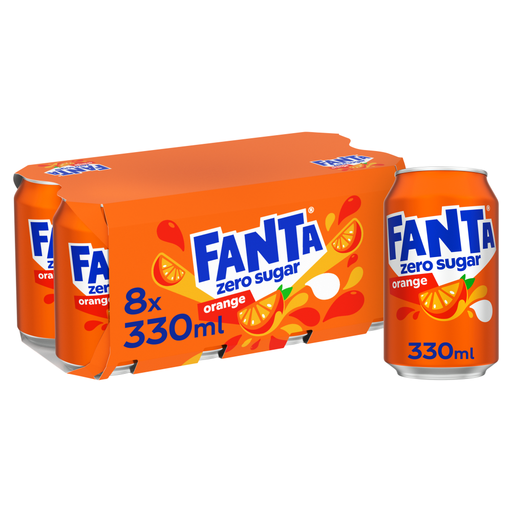 No image available
An individually portioned orange-flavoured option for a meeting, rather than 100% orange juice. The product name says ‘Zero Sugar’, while its listed nutrition gives a sugar value; check the current pack before treating it as sugar-free.
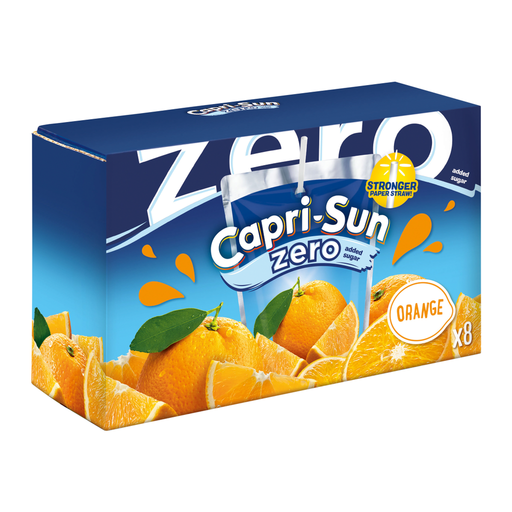 No image available
The eight individual 200ml drinks offer a portioned orange option, but this is a juice drink rather than 100% orange juice. Its listed nutrition gives a sugar value despite ‘Zero’ in the name, so check the current pack before calling it sugar-free.
No image available
Eight individual orange juice drinks offer another serving format for meetings. This is not 100% orange juice or a sugar-free drink; check the nutrition panel and sweeteners if those distinctions matter to attendees.
 No image available
A squash for meetings where water and a way to prepare drinks are available; dilute it according to the current pack rather than serving it undiluted. Check the prepared-serving nutrition, dilution directions and ingredients, including sweeteners and sulphites, before comparing it with ready-to-drink options.
No. A 100% juice can have no added sugar and still contain naturally occurring sugars. Diabetes UK says sugars in fruit juice count as free sugars, so check the nutrition panel rather than relying on that phrase.
A measured 150ml serving makes the portion clear. The NHS advises limiting fruit juice and smoothies to a combined 150ml a day and says they count only once towards 5 A Day; provide other drinks too.
No. Asda’s listed high-juice orange squash contains 50% orange juice from concentrate and is intended to be diluted. It also lists sweeteners and sulphites, so check the ingredients and prepared-serving nutrition rather than treating it as 100% juice.
Follow the instructions on the specific pack, particularly after opening. Tesco’s listed chilled 100% orange juice says to refrigerate it and consume it within three days of opening, while its ambient orange juice says to refrigerate after opening and consume within five days; those periods should not be assumed for other products.