Brunch hosts comparing sugar labels
When serving several people, compare 100% juice, ready-to-drink juice drinks and squash as different products. Check the amount served as well as the sugars figure on each label.


Choose 100% orange juice for an orange-only brunch drink, while accounting for its naturally occurring sugars: the NHS counts sugars in unsweetened juice as free sugars. If lower labelled sugar matters more, consider a ready-to-drink orange juice drink or squash diluted as directed, and check its sugar figure, orange content and sweeteners rather than treating it as 100% juice.
The useful starting point for a Sunday brunch is whether guests want orange-only juice or an orange-flavoured alternative with a different sugar and ingredient profile.
When serving several people, compare 100% juice, ready-to-drink juice drinks and squash as different products. Check the amount served as well as the sugars figure on each label.
If the ingredient list matters most, look for 100% orange juice. The NHS notes that its naturally occurring sugars still count as free sugars once the fruit is juiced.
A no-added-sugar orange drink or squash may contain sweeteners. Read the ingredients alongside the nutrition panel if either sweeteners or the proportion of orange juice affects your choice.
Decide what type of orange drink you want before comparing sugar figures, and use the nutrition values for the drink as it will be served.
| Priority | What to check | Your needs |
|---|---|---|
| Sugars and serving | Compare sugars per 100ml on ready-to-drink labels, then check the amount you intend to pour. The NHS counts sugars in unsweetened fruit juice as free sugars. | I want to know how much sugar is in the glass I serve, not just whether the front of the pack says “no added sugar”. |
| Orange content | Read the food name and ingredients to distinguish 100% orange juice from an orange juice drink. Tesco Groceries lists 8% orange juice from concentrate in its checked Whole Orange Juice Drink No Added Sugar. | Is an orange-only drink important for brunch, or would I rather choose a juice drink with a different ingredient mix? |
| Sweeteners | Check the ingredients separately from the sugars figure. The checked Tesco orange juice drink lists sucralose; a no-added-sugar claim does not mean a drink is unsweetened. | If I prefer to avoid sweeteners, I need to check the ingredient list before choosing a lower-sugar orange drink. |
| Squash preparation | Follow the bottle’s dilution directions and compare nutrition values for the prepared drink. ASDA Groceries lists 1.0g sugars per 100ml for its High Juice Orange when diluted one part squash to four parts water. | I’m happy to mix squash for the table, but I want to compare what will be in the finished glass. |
Unsweetened orange juice can contain sugars from the fruit. Tropicana UK lists 13g sugars per 150ml for its checked Smooth Orange juice, and the NHS counts sugars in unsweetened juice as free sugars.
Read the sugars line per 100ml and for the serving you plan to pour, as well as the product name.
Squash is a concentrate. ASDA Groceries’ 1.0g sugars per 100ml figure for its checked High Juice Orange applies when it is diluted as directed.
Prepare squash according to its label before comparing the sugar in a glass with a ready-to-drink juice or juice drink.
A juice drink can have a different ingredient list from 100% juice. Tesco Groceries lists water, 8% orange juice from concentrate and sucralose in its checked no-added-sugar orange juice drink.
Choose which matters more to you: orange-only juice, the declared sugar amount or avoiding sweeteners. Check each separately on the label.
A title cannot tell you the full ingredient mix or how a drink should be prepared.
Before buying, check the current pack name, ingredients, nutrition panel and, for squash, dilution instructions.
These examples describe particular labelled products, not every orange drink sold under each brand.
Tropicana UK describes its checked Smooth Orange juice as orange juice not from concentrate.
The checked Innocent Smooth Orange Juice is a 100% orange juice option.
Tesco’s checked Whole Orange Juice Drink No Added Sugar is a juice drink, not 100% orange juice.
The checked Sainsbury’s Pure Orange Juice is 100% orange juice from concentrate.
The checked Asda High Juice Orange is a squash to prepare with water, rather than a ready-to-drink juice.
Marks & Spencer describes its checked Smooth Orange Juice as not from concentrate.
These options are orange-flavoured drinks and squash for the brunch table. Check each product’s ingredients and preparation instructions if you are choosing between a ready-to-drink beverage and a concentrate.
 No image available
Choose this if you want to prepare an orange squash for brunch rather than pour a ready-to-drink juice. It is a concentrate: follow the pack’s dilution instructions, and check the prepared-drink nutrition and ingredients for your needs.
No image available
The eight-bottle format offers individual ready-to-drink portions. This is an orange drink rather than 100% orange juice; its listed ingredients include sweeteners. The listing warns that the small caps make it unsuitable for children under 36 months.
 No image available
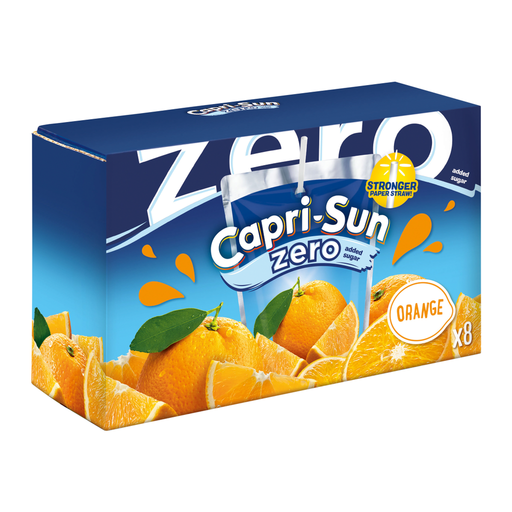
The eight 200ml pouches provide individual ready-to-drink portions. This is not pure orange juice: the listed juice blend includes orange and lemon, and it contains sucralose. The Zero name conflicts with a stated 0.6g sugars per 100ml, so check the current pack label. The listing also warns that the straw makes it unsuitable for children under 3 years.
 No image available
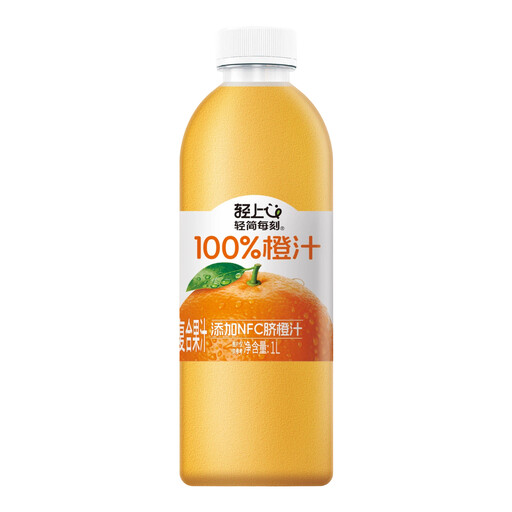
This ready-to-drink carton may suit a table where a mixed-fruit drink is acceptable. Its listing title says “100% Orange Juice”, but the description identifies a drink with water and several fruits. Check the current pack name and ingredients before buying it as orange-only juice.
No. Orange juice can contain sugars from the fruit even when none is added. The NHS counts sugars in unsweetened fruit juice as free sugars, so check the nutrition panel as well as the claim.
Compare sugars per 100ml for ready-to-drink products, then read their names and ingredients. For example, Tesco Groceries describes its checked no-added-sugar orange juice drink as containing water, 8% orange juice from concentrate and sucralose; that is a different choice from 100% orange juice.
Compare squash once it has been prepared as directed, not straight from the bottle. ASDA Groceries’ 1.0g sugars per 100ml figure for its checked High Juice Orange applies after dilution with four parts water to one part squash.
Check the food name, ingredients, sugars per 100ml, the amount you will serve and any dilution directions. These details help distinguish orange-only juice from juice drinks and squash, including products that contain sweeteners.