
24/7 Customer Support

Free returns

Same-day & Next-day Delivery

Quality Guaranteed

Unlock Your Welcome Offers: FREE Delivery | Up to 80% OFF | Free 30-day JoyPlus trial
Download the APP
Choosing orange juice drinks is not always as simple as picking the most attractive bottle or the phrase “fruit flavour” on the front. UK shoppers will find everything from concentrated orange juice and low-sugar squash to fizzy citrus drinks, juice pouches and Chinese orange drinks.
The main challenge is matching the product to the occasion while avoiding misleading assumptions about sugar, juice content and portion size. This guide explains what to check before buying, then highlights suitable options for different household needs.
A drink can taste strongly of orange without containing much orange juice. Check the ingredient list and quantitative ingredient declaration (QUID) rather than relying on front-of-pack wording.
For example, some drinks list concentrated orange juice alongside apple juice, flavourings or other fruit ingredients. A juice drink is not automatically the same as 100% orange juice, so compare the percentage of orange juice if that matters to you.
No added sugar orange squash or juice may still contain naturally occurring sugars from fruit. Some products also use sweeteners to maintain a sweet taste. Always review the nutrition panel, particularly sugars per 100ml and the suggested dilution.
For comparison, Robinsons No Added Sugar Squash Orange lists negligible amounts of carbohydrate and sugars per 100ml when diluted according to the label, while some ready-to-drink orange juice products contain considerably more carbohydrate per 100ml.
A large bottle may appear economical, but it needs refrigerator space after opening and may not suit packed lunches. Conversely, orange juice pouches are convenient but require attention to age guidance and straw or cap safety.
For family use, consider:
Ingredients are listed by weight, with those used in the greatest quantity appearing first. Look for terms such as orange juice from concentrate, non-concentrated orange juice, orange pulp or mandarin juice.
A drink containing several fruit juices may offer a broader citrus flavour, but it may not deliver the taste or composition expected from single-fruit orange juice. This is particularly relevant when comparing orange fruit juice, mandarin juice and mixed citrus drinks.
Use the per 100ml figures to compare products consistently. A 200ml pouch, 330ml can and 1L carton all have different serving sizes.
Low-sugar orange drinks may use sucralose, acesulfame K or other sweeteners. These ingredients are permitted food additives, but shoppers may prefer to avoid them or may simply want to know what they are buying. Check the full label for sugar, sweeteners, preservatives and sulphites.
Vitamin C drinks should also be assessed by their ingredient and nutrition information rather than by general wellness language. Added vitamin C does not by itself make a drink equivalent to eating whole fruit.
Choose the format around your routine:
When buying an electric orange juicer, check capacity, motor power, pulp control, removable parts and safety instructions. A 1.4L container can be useful for several servings, while a compact model may suit smaller kitchens.

Why This Fits Their Persona: A concentrated format lets households prepare drinks as needed, making it practical for family meals, school breaks and everyday cupboards.
The label identifies it as no added sugar while also noting sweeteners and naturally occurring fruit sugars, so shoppers can make an informed comparison.
1L bottle; designed for dilution; refrigerate after opening and use within four weeks for best flavour.
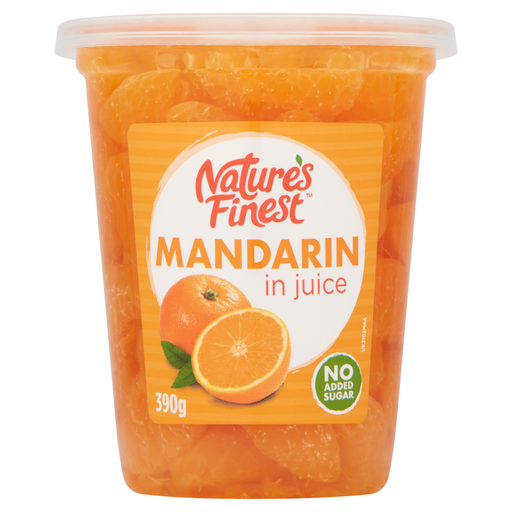
Why This Fits Their Persona: Suitable for shoppers who want prepared citrus segments with juice for desserts, porridge, yoghurt or a chilled snack.
The product information states no added sugar, while the pear juice and nutrition panel make clear that naturally occurring sugars remain.
390g ready-to-eat pot; plant-based ingredients; refrigerate leftovers and consume within three days.
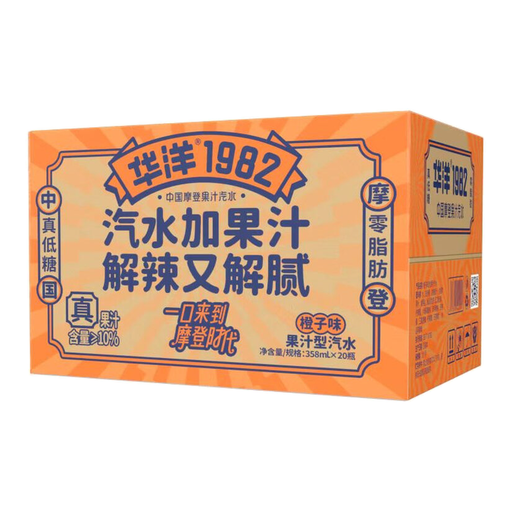
Why This Fits Their Persona: A 20-bottle case suits gatherings, shared meals and shoppers looking for Chinese orange drinks with carbonation.
The listing specifies 16 kcal and 3.3g sugar per 100ml, while also identifying sweeteners and preservatives in the ingredients.
358ml glass bottles; ready to drink; serve chilled; 7.16L total case volume.
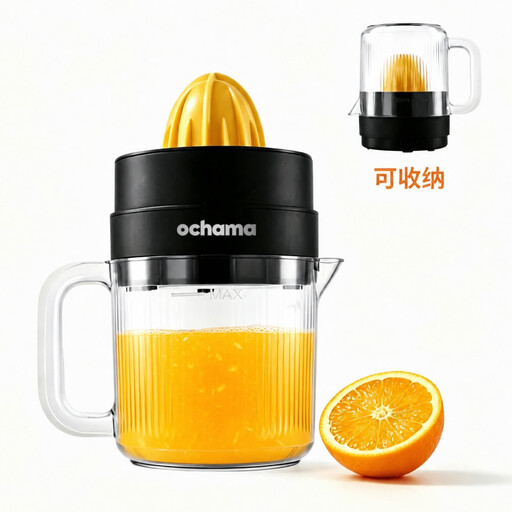
Why This Fits Their Persona: Designed for households that regularly prepare fresh citrus drinks from oranges, lemons, tangerines or pomegranates.
The specification clearly identifies a 1.4L capacity, 30W motor, pulp separation and removable parts, allowing buyers to assess kitchen suitability before purchase.
Bladeless press design; adjustable pulp separation; removable components for cleaning.
We have compiled a complete, real-time list of products that fully satisfy these strict selection criteria and UK safety regulations.
Check the age guidance, sweetener information, serving size and packaging warnings. Some children’s fruit drinks contain small parts in caps or straws and are not suitable for children under three. Squash should be diluted according to the label and should not be given undiluted to toddlers.
Follow the packaging instructions. Many chilled or ambient drinks need refrigeration after opening and should be consumed within a stated period. For example, some products specify use within 24 hours, three days or four weeks. Freshly prepared juice from a citrus juicer should be treated as perishable and consumed promptly.
Running cost depends mainly on the appliance’s wattage and operating time. A 30W juicer uses relatively little electricity during a short pressing cycle, but the total cost also includes fresh fruit, cleaning time and replacement parts. Compare the capacity and ease of cleaning with how often you expect to use it.