If you want 100% orange juice, measure your serving; if you want orange flavour and fizz while limiting sugar, compare the sugars and carbohydrate on each drink’s label. Diabetes UK notes that pure juice contains free sugars, and NHS guidance limits fruit juice and smoothies combined to 150ml a day. The NHS also links carbonated drinks with dental erosion because of their acidity, even when they contain no sugar.
Who is this for?
People managing diabetes who want orange flavour and fizz
If limiting sugar or carbohydrate from drinks matters to you, check the nutrition panel rather than relying on words such as “fruit” or “no added sugar”. A juice-containing fizzy drink and an orange-flavoured sparkling water can have different formulations.
Orange-juice drinkers planning a portion
Diabetes UK identifies the sugars in pure fruit juice as free sugars. NHS guidance sets a limit of 150ml a day for fruit juice and smoothies combined, so the amount you pour matters as well as the label on the carton.
People weighing sugar against dental considerations
A drink with little or no labelled sugar can still be carbonated and acidic. The NHS associates carbonated drinks with dental erosion regardless of whether they contain sugar.
What should you check?
Identify the type of orange drink first, then compare its nutrition information with the amount you intend to drink.
100% orange juice
Consider it when: You specifically want juice and can measure a serving within the NHS limit of 150ml of fruit juice and smoothies combined per day.
Trade-off: Pure juice contains free sugars, as Diabetes UK explains, and does not meet a wish for carbonation.
Juice-containing sparkling drink
Consider it when: You want fizz and a drink containing orange juice, and can account for the sugars in your chosen serving.
Trade-off: A juice-containing sparkling drink may also contain added sugar; the presence of juice does not make it a zero-sugar drink.
Low-sugar orange-flavoured fizzy drink
Consider it when: Orange flavour and fizz matter more to you than juice content, and you want to check for a lower labelled sugar amount.
Trade-off: It is not necessarily orange juice, and the NHS notes that acidity remains a dental consideration for carbonated drinks.
| Priority |
What to check |
Your needs |
| Sugars and carbohydrate |
Read both figures on the nutrition panel. Compare drinks using the same stated unit, then check the amount in the glass, can or bottle you will drink. |
I want to account for the carbohydrate in the drink, including sugars that occur naturally in juice. |
| Drink type |
Check whether it is 100% juice, a soft drink containing juice or flavoured sparkling water. Read the ingredients for added sugar, juice and sweeteners. |
Orange flavour and carbonation appeal to me, but I do not want to mistake a fruit description for a particular sugar content. |
| Serving size |
For juice, measure the portion: NHS guidance limits fruit juice and smoothies combined to 150ml a day. Check how the pack’s nutrition figures relate to the amount you pour. |
If I choose juice, I want to plan the serving rather than assume the whole container is one portion. |
| Acidity and drinking pattern |
Consider how often you drink a carbonated option. The NHS associates carbonated drinks with dental erosion because of acidity, even without sugar. |
I want a fizzy option without assuming that a low sugar figure removes every consideration. |
Common buying mistakes
-
Reading “no added sugar” as “low sugar”
Diabetes UK explains that pure fruit juice contains free sugars. Tropicana UK lists 13g sugars in a 150ml serving of its Smooth Orange juice.
Check total sugars and carbohydrate on the nutrition panel, then relate the figures to the amount you plan to drink.
-
Choosing by “sparkling” or “fruit” alone
Orange-flavoured fizzy drinks do not all have the same formulation. Marks & Spencer lists 4.4g sugars per 100g for Sparkling Brazilian Orange and 0.2g per 100g for Diet Orange Crush.
Identify the drink type and ingredients before comparing nutrition figures. Keep the units and serving amounts consistent when comparing products.
-
Assuming sugar-free fizz has no dental downside
The NHS associates carbonated drinks with dental erosion because of their acid content, whether or not they contain sugar.
Avoid sipping a fizzy drink continually; choose water when you want a drink between meals.
Relevant brand examples
These examples illustrate different orange-drink formulations; the figures apply to the named products, not every drink from each brand.
Tropicana
Tropicana Smooth Orange is an example of orange juice rather than an orange-flavoured fizzy drink.
- Tropicana UK lists 8.6g sugars and 9.3g carbohydrate per 100ml of Smooth Orange.
- For a juice serving, measure the amount poured: Tropicana UK lists 13g sugars per 150ml, and NHS guidance limits fruit juice and smoothies combined to 150ml a day.
M&S
Marks & Spencer provides examples of two distinct fizzy orange drinks: Sparkling Brazilian Orange and Diet Orange Crush.
- Marks & Spencer lists 4.4g sugars per 100g for Sparkling Brazilian Orange and 0.2g per 100g for Diet Orange Crush.
- Sparkling Brazilian Orange contains sugar and orange juice from concentrate; Diet Orange Crush lists the sweetener sucralose. Check the ingredients of the particular drink you choose.
Tesco
Tesco Groceries lists Tesco Orange Zero among its fizzy drinks, offering a named orange-flavoured soft-drink option to examine.
- The catalogue identifies Tesco Orange Zero as a fizzy-drink product.
- Check the current product label for sugars, carbohydrate and ingredients before deciding whether it fits your needs.
Joybuy orange-flavoured sparkling waters
These orange-flavoured sparkling waters are options for someone seeking fizz rather than 100% orange juice. Check each pack’s nutrition information when deciding how it fits your drink choices.
 No image available
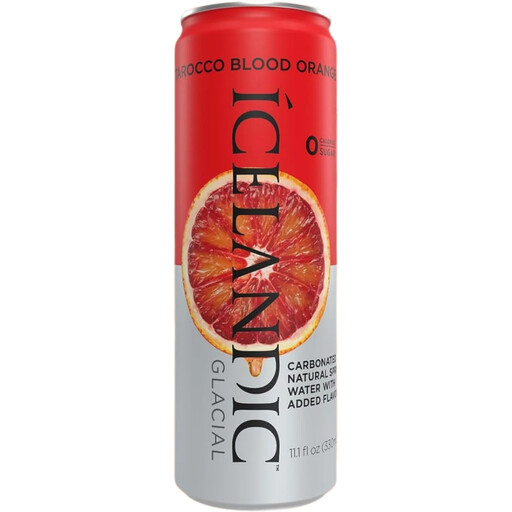
Icelandic Glacial Tarocco Blood Orange Sparkling Mineral Water, 330ml
This 330ml can is an orange-flavoured sparkling-water option rather than orange juice. Check the current pack for sugars and carbohydrate per 100ml if those figures guide your choice.
View on Joybuy
 No image available
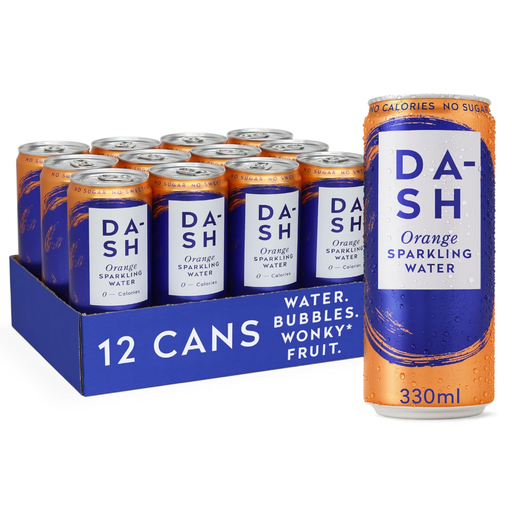
DASH Water Sparkling Water Infused with Wonky Oranges, 12 × 330ml
This multipack offers orange-infused sparkling water rather than orange juice. If energy information affects your choice, check the current pack label; the product information gives conflicting energy figures.
View on Joybuy
Questions about orange drinks
Is a sparkling orange drink automatically suitable if I have diabetes?
No. Carbonation tells you nothing about the drink’s sugar or carbohydrate content. Check the nutrition panel and serving amount, and distinguish orange juice from a juice-containing soft drink or flavoured sparkling water.
Can orange juice fit into my drink choices if I have diabetes?
Orange juice need not be treated as sugar-free to be considered as a measured choice. Diabetes UK notes that pure juice contains free sugars, while NHS guidance limits fruit juice and smoothies combined to 150ml a day. Check the carbohydrate in the amount you pour against your own eating plan.
Does “no added sugar” mean orange juice is low in sugar?
No. “No added sugar” does not remove the sugars naturally present in juice. For example, Tropicana UK lists 8.6g sugars per 100ml and 13g per 150ml for Smooth Orange; use the total sugars and carbohydrate figures when assessing a serving.
Can a sugar-free fizzy orange drink affect teeth?
Yes. The NHS associates carbonated drinks with dental erosion because of their acidity, regardless of whether they contain sugar. Avoid sipping them continually, and consider water for drinking between meals.


