Weekend breakfast hosts
If you want a fizzy orange drink to serve alongside breakfast, decide whether individual cans or a shared bottle fit the number of people coming. A sparkling orange soft drink should not be mistaken for 100% orange juice.


Choose a sparkling orange drink if fizz is the point of the weekend breakfast and a soft drink, rather than 100% orange juice, suits the table. If a conventional orange-juice serving matters more, choose a product labelled 100% orange juice instead; it will be still. Check the orange-juice percentage, sugars, sweeteners and pack size on the drink you intend to buy.
If you want a fizzy orange drink to serve alongside breakfast, decide whether individual cans or a shared bottle fit the number of people coming. A sparkling orange soft drink should not be mistaken for 100% orange juice.
Compare sugars on the same per-100 ml basis where the labels allow it, then read the ingredients for sweeteners. The amount in a whole can or bottle depends on how much you serve.
If orange juice itself matters more than bubbles, look for a product labelled 100% orange juice. Tropicana describes its Original Orange as pressed juice, not from concentrate; it is a still option.
Decide first whether the breakfast drink needs to be fizzy or to be 100% orange juice. Then compare the exact drinks by their labels and the amount you plan to serve.
Choose it when: You want fizz and a stated orange-juice component.
Bear in mind: The Sainsbury’s Sanpellegrino Orange and M&S Sparkling Brazilian Orange listings describe sparkling beverages, not 100% orange juice.
Choose it when: Carbonation matters, and you want to compare lower sugar figures on the label.
Bear in mind: The M&S Diet Orange Crush and Tesco Orangina listings describe drinks with sweeteners; check whether their recipes suit your preferences.
Choose it when: A conventional orange-juice serving matters more than fizz.
Bear in mind: Tropicana describes Original Orange as 100% pressed juice with no added sugar, but it is not sparkling and fruit juice contains naturally occurring sugars.
| Priority | What to check | Your needs |
|---|---|---|
| Drink type | Read the product description and ingredients. Sainsbury’s lists Sanpellegrino Orange as a sparkling beverage with 16% orange juice from concentrate; Tropicana describes Original Orange as 100% pressed juice. | I want to know whether I am serving orange-flavoured fizz or a conventional glass of orange juice. |
| Fruit content | Compare the stated orange-juice percentage without adding pulp or comminuted orange to it. M&S lists 13% orange juice and a separate 5% comminuted oranges in Sparkling Brazilian Orange; Tesco lists 10% orange juice within Orangina’s 12% mixed citrus juice. | If the drink is fizzy, I still want to know how much of its stated fruit content is orange juice. |
| Sugars and sweeteners | Use the same nutrition basis when comparing labels, and check ingredients for sweeteners. Sainsbury’s lists 4.4 g sugars per 100 ml for Sanpellegrino Orange; Tesco lists 1.2 g per 100 ml for Orangina. | How much will each person drink? I want to compare the sugar figure for that amount and know whether the recipe uses sweeteners. |
| Pack and plans | Check the volume of each can or bottle, the number of drinks in a multipack and any instructions for storing an opened pack. For a planned shop, check local stock close to the time; Sainsbury’s says its stock indications can change. | I need enough for the breakfast table without relying on a pack size or stock indication that may not fit my plans. |
The checked sparkling beverages disclose orange juice or orange ingredients as part of a wider recipe. Tropicana’s 100% Original Orange is a different, still product.
Choose between fizz and conventional juice first, then read the exact product description and ingredients rather than relying on orange imagery.
A can and a shared bottle are not the same serving. Sainsbury’s lists Sanpellegrino Orange at 4.4 g sugars per 100 ml and 14.5 g per 330 ml can.
Compare per-100 ml figures on like-for-like labels, then consider how much each person is likely to pour or drink.
Sainsbury’s says its store stock checker gives an indication, not a guarantee that a drink will still be there when you arrive.
Check availability near shopping time and decide in advance whether another sparkling format or still juice would suit the table.
These product lines illustrate different ways to serve an orange drink at breakfast; a brand name alone does not tell you whether the exact drink is sparkling or 100% juice.
M&S lists both Sparkling Brazilian Orange and Diet Orange Crush.
Sainsbury’s lists Sanpellegrino Orange as a sparkling orange beverage in a 4 × 330 ml pack.
Tesco lists Orangina as a sparkling orange soft drink in a 420 ml bottle.
Tropicana Original Orange offers a still-juice comparison for shoppers deciding whether fizz matters.
Tesco’s orange-juice category lists Innocent Smooth Orange Juice and Orange Juice With Bits as still-juice options.
These orange-flavoured fizzy drinks offer individual cans or bottles and multipacks for a weekend breakfast. Choose a drink labelled 100% orange juice instead if conventional juice, rather than carbonation, is the priority.
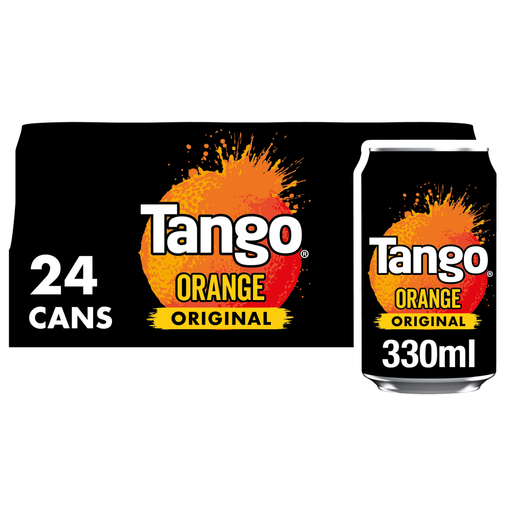 No image available
The 24-can format is worth considering when several people want orange-flavoured fizz. Check the current label for its juice content, sugars and sweeteners if those distinctions matter at your breakfast table.
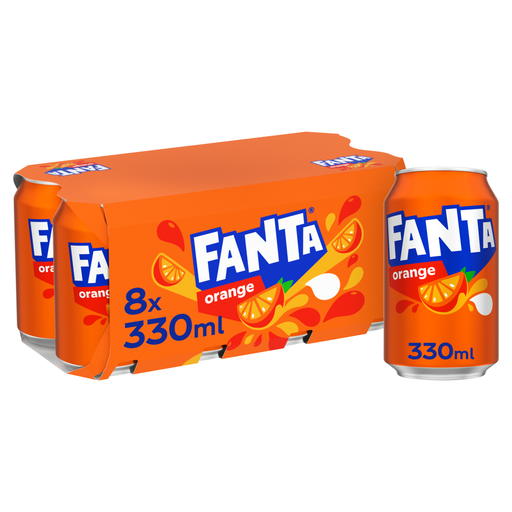 No image available
The eight-can format offers separate drinks for a smaller group. If you are choosing between orange-flavoured fizz and orange juice, use the ingredients and product description on the exact pack to make that distinction.
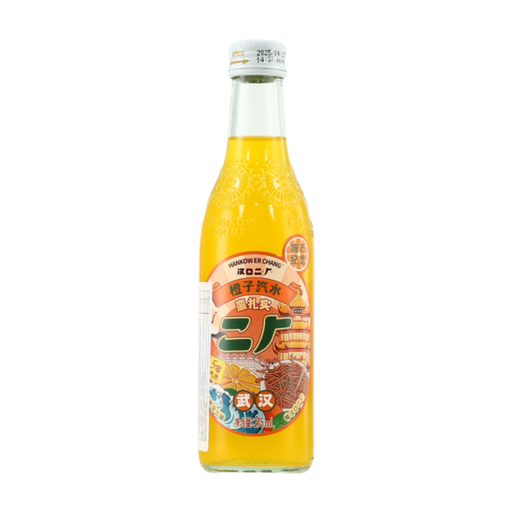 No image available
This 275 ml soda format suits a plan to offer individual orange-flavoured fizzy drinks. Read its juice declaration and nutrition panel before comparing it with a 100% orange juice or a different-sized serving.
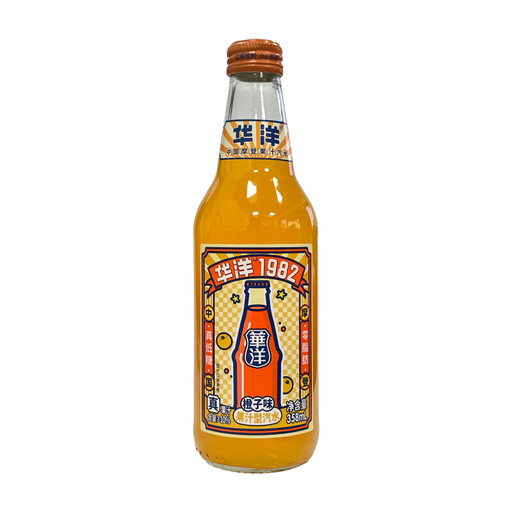 No image available
The 358 ml format offers a separate orange-flavoured fizzy drink for the table. If fruit content is important, check the orange-juice percentage on the pack rather than treating the words ‘juice soda’ as a measure of it.
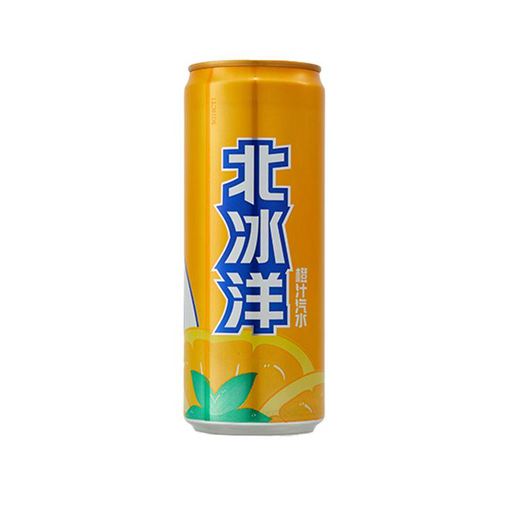 No image available
This 330 ml soda is another individual fizzy-orange format. Compare its sugars on a per-100 ml basis with other drinks, and check the pack’s juice declaration if you want a particular orange-juice content.
No: an orange-flavoured sparkling beverage can contain orange juice as only part of its recipe. For example, Sainsbury’s lists Sanpellegrino Orange as a beverage with 16% orange juice from concentrate, while Tropicana describes its still Original Orange as 100% pressed juice. Read the exact product description and ingredients.
Start with figures stated on the same per-100 ml basis, then consider the amount you will serve. Tesco lists 1.2 g sugars per 100 ml for Orangina, while Sainsbury’s lists 4.4 g per 100 ml for Sanpellegrino Orange and 14.5 g for its 330 ml can. Check the current labels when choosing between exact packs.
Yes. Sainsbury’s describes Sanpellegrino Orange as containing sugar and a sweetener, while M&S lists sucralose in Diet Orange Crush. Read the ingredients for the exact drink if either is a deciding factor.
Treat it as a useful indication, not a guarantee. Sainsbury’s says store stock can change quickly, so check close to shopping time and have another suitable drink in mind if the first choice is unavailable.