
24/7 Customer Support

Free returns

Same-day & Next-day Delivery

Quality Guaranteed

Unlock Your Welcome Offers: FREE Delivery | Up to 80% OFF | Free 30-day JoyPlus trial
Download the APP
Choosing organic baby food pouches can make weaning more manageable, particularly when you are travelling, returning to work or preparing a quick meal at home. However, attractive packaging and phrases such as “natural” or “no nasties” do not tell you everything you need to know.
The right choice depends on your baby’s age, texture readiness, ingredients, allergens and how the pouch will be served. This guide explains the main buying pitfalls and highlights suitable options for different weaning routines.
A pouch marked 4+ months is labelled for that age range, but UK guidance generally recommends starting weaning at around six months, when a baby shows signs of readiness. Every baby develops differently, so consider advice from a health professional if you are unsure.
The age marking should therefore be treated as product information, not an instruction to start solids early. Look for signs such as sitting upright with steady head control and being able to coordinate food and swallowing.
A product can contain no added sugar while still containing naturally occurring sugars from fruit. This is not the same as having a low sugar content. For example, a banana purée naturally contains more carbohydrate and sugar per 100g than a carrot purée.
Read the ingredients and nutrition panel together. A short ingredient list is useful, but it should not replace checking portion size, texture and overall variety.
Pouches are convenient, but regularly sucking directly from one may offer less opportunity to practise spoon-feeding and different textures. For early weaning, squeeze the purée into a clean bowl or onto a spoon where possible. As your baby progresses, move gradually towards thicker textures, soft lumps and suitable baby finger foods, following their development.
Also check the storage instructions carefully. Opened products vary: some can be refrigerated for up to 48 hours, while others should be consumed immediately. Never use a pouch that is damaged, swollen or leaking.
For first tastes baby food and stage 1 baby food, choose smooth purées with no large lumps. Single-vegetable options, such as carrot, can help you introduce one flavour at a time. Smooth fruit options, including baby fruit purée, may also be suitable from the age stated on the pack.
As your baby becomes more confident, consider mixed vegetable recipes, thicker purées and soft-textured organic baby meals. A pouch labelled 7+ months may contain small soft lumps, while a 9+ months snack may be designed for children already comfortable with firmer textures.
Check the full ingredient list rather than relying only on front-of-pack claims. Families looking for dairy-free baby food, vegan products or vegetarian choices should confirm every ingredient, including coconut milk, oats, cheese and seasoning.
For gluten avoidance, check for wheat, barley, rye and oats, as well as “may contain” information where provided. A product described as gluten-free should still be checked against your baby’s individual dietary needs. Introduce common allergens in line with current UK health guidance and seek medical advice if your child has an allergy or suspected reaction.
Options described as no added sugar baby food can still contain naturally occurring sugars from fruit and vegetables. Compare recipes rather than choosing only sweet flavours. Vegetable purées, pulses and age-appropriate meals can provide more variety than relying solely on fruit.
For snacks, check the serving guidance and supervision requirements. Some gluten-free baby snacks are made to melt easily, but they still require an upright, supervised child. Pouches and snack packs should complement, rather than replace, a varied diet.
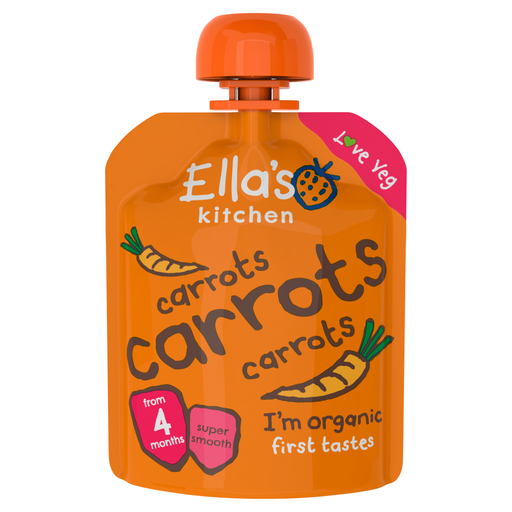
Why This Fits Their Persona: A straightforward single-vegetable pouch for families introducing first tastes and building a small, practical weaning selection.
The listed ingredients are organic carrots (82%) and water (18%), with no added sugar or salt. Its smooth texture is intended for babies from 4 months as stated on the pack.
Single-vegetable recipe; 70g portion; gluten-free according to the product information.
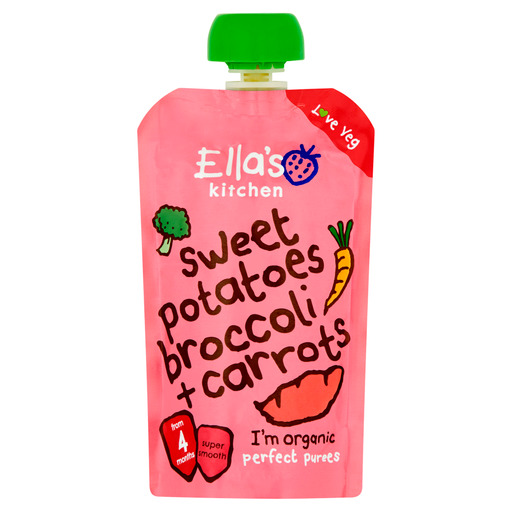
Why This Fits Their Persona: Suitable for shoppers wanting an organic vegetable blend rather than a fruit-led pouch, with a larger 120g portion for flexible serving.
It lists the vegetable percentages clearly: sweet potato, carrot, water and broccoli. The smooth consistency has no large lumps and contains no added sugar or salt.
Three-vegetable recipe; 120g pouch; listed as organic and gluten-free.
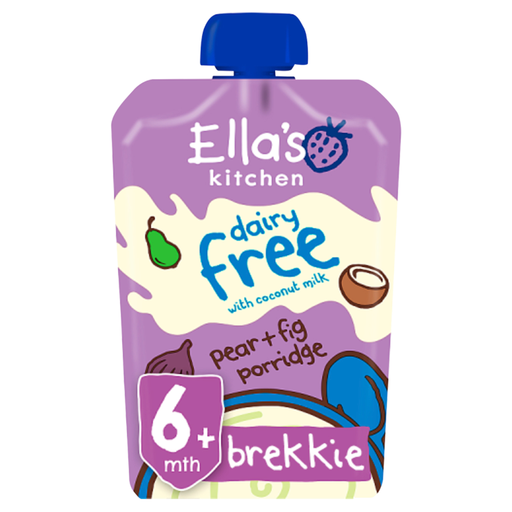
Why This Fits Their Persona: A convenient breakfast or snack option for families specifically seeking dairy-free baby food for a baby aged 6 months or over.
The recipe identifies coconut milk, oats, pear and fig, so shoppers can check these against their dietary requirements instead of relying on the front label alone.
100g pouch; smooth porridge texture; no added sugar or salt; suitable for vegetarians.
We have compiled a complete, real-time list of products that fully satisfy these strict selection criteria and UK safety regulations.
Some products are labelled from 4 months, including smooth stage 1 purées. UK guidance commonly recommends starting weaning at around six months, so the label should be considered alongside your baby’s individual development and healthcare advice.
This depends on the product. Several options allow refrigeration for up to 48 hours, while some meals and purées must be consumed immediately once opened. Always follow the storage instructions printed on the specific pouch.
Pouches can reduce preparation time and food waste, especially for occasional meals or days out. Home-prepared food may cost less per serving, but requires ingredients, cooking, portioning and storage. Comparing pouch size, multipack pricing and intended use will give you a more realistic cost comparison.