
24/7 Customer Support

Free returns

Same-day & Next-day Delivery

Quality Guaranteed

Unlock Your Welcome Offers: FREE Delivery | Up to 80% OFF | Free 30-day JoyPlus trial
Download the APP
Navigating the world of baby food can feel overwhelming. The shelves are filled with colourful pouches and pots, all promising the very best for your little one. As a parent, you want simple, nutritious and safe options, especially when you're looking for organic baby food. But marketing claims can be confusing, and it's easy to fall into common traps that don't benefit your baby or your budget.
As the Joybuy Product Recommendation Officer, my role is to help you see past the hype. This guide will break down what really matters, helping you identify the pitfalls and choose food that genuinely supports your child's weaning journey.
Before you fill your basket, be aware of these frequent misunderstandings that can lead to poor choices:
To make confident choices, focus on these three key factors instead of marketing messages.
The back of the pack is more important than the front. A high-quality product will have a short, recognisable list of ingredients.
The right texture depends on your baby's age and your chosen weaning method.
In the UK, products labelled "organic" must meet strict legal standards. Look for the EU organic leaf logo or the Soil Association logo. This certification means the ingredients were grown without the routine use of artificial pesticides and fertilisers, and it promotes a higher standard of animal welfare. It provides a layer of assurance about how the food was produced.
Here are a few options that align with our selection criteria, matched to different parenting needs.
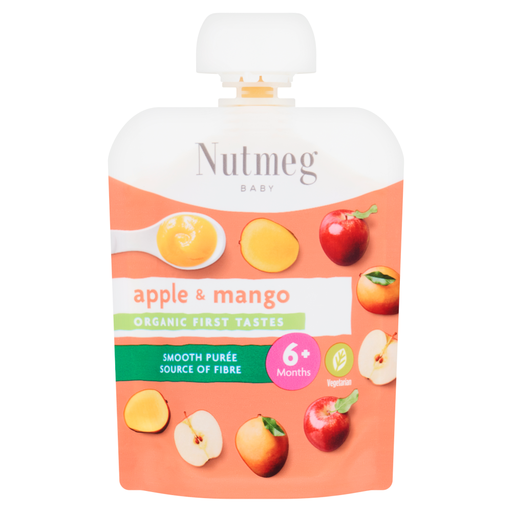
Why This Fits Their Persona: Perfect for parents starting the weaning journey, this pouch offers a simple, two-ingredient fruit blend. Its smooth texture is ideal for a baby's first experience with solid foods, making it a straightforward and gentle introduction to new flavours.
It avoids the "health halo" trap by being exactly what it claims: a simple blend of organic apple and mango puree. There are no hidden fillers or concentrates, just fruit.
An ideal stage 1 weaning food with a very smooth texture. Certified organic ingredients provide peace of mind.

Why This Fits Their Persona: For parents ready to move beyond smooth purees, this savoury meal introduces more complex flavours and textures. It's a complete, convenient vegetarian baby meal suitable for babies from 7 months who are learning to chew.
This product directly counters the "pouch problem" by including small, soft lumps. This encourages chewing and helps your baby transition to the textures of family meals.
A good source of fibre and plant-based protein from lentils. The lumpy texture is a crucial step in weaning progression.
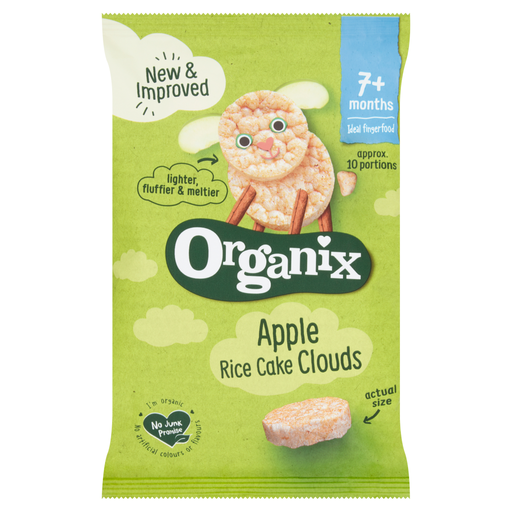
Why This Fits Their Persona: These rice cake clouds are designed for self-feeding. Their chunky shape is easy for small hands to grip, and the texture is firm enough to hold but softens and melts in the mouth, making them a suitable choice for babies exploring finger foods.
Unlike some harder snacks, these are specifically designed for young babies. The melty texture helps minimise choking risk, addressing a key concern for parents trying baby led weaning snacks.
Promotes independent eating and motor skills. Flavoured with organic apple juice, not artificial flavourings or added sugar.
We have compiled a complete, real-time list of products that fully satisfy these strict selection criteria and UK safety regulations.
Absolutely. Making your own baby food can be a cost-effective way to control every ingredient. Simply steam or boil organic vegetables and fruits until soft, then blend to your desired consistency. You can add flavour to savoury dishes with a pinch of herbs or a small amount of a no added MSG, low-salt organic vegetable stock cube. For storing your homemade creations, using a set of BPA-free, fridge-safe food storage containers is essential for keeping portions fresh and organised.
Always check the 'best before' date. Before serving, inspect the pouch. If it looks unusually puffy, swollen or is damaged in any way, do not feed it to your baby and discard it. This can be a sign that the seal is broken and the food inside has spoiled.
Organic certification ensures the ingredients were farmed to specific environmental standards. However, "organic" doesn't automatically mean "healthy." It is still crucial to read the full ingredients list and nutritional information. The most beneficial healthy toddler snacks are those that are low in sugar and salt and made from whole-food ingredients, like the Organix Goodies Raisins, which are simply 100% organic fruit.