
24/7 Customer Support

Free returns

Same-day & Next-day Delivery

Quality Guaranteed

Unlock Your Welcome Offers: FREE Delivery | Up to 80% OFF | Free 30-day JoyPlus trial
Download the APP
Navigating the world of baby food can feel like a full-time job. The shelves are filled with colourful pouches and jars, all promising wholesome, organic goodness. But as a busy parent, how do you separate genuine nutrition from clever marketing? Choosing the right organic baby food is about more than just a label; it's about understanding what’s really inside the pack.
Many well-meaning parents fall into a few common traps. First is the "organic halo" effect, where an organic label is mistaken for a guarantee of health. Some products, while organic, can be packed with natural sugars from fruit concentrates, offering little nutritional balance. Another pitfall is confusion over weaning stages. A smooth puree suitable for a six-month-old offers a very different experience from the textured meals a ten-month-old needs to develop chewing skills. Relying too heavily on one format, like convenient baby food pouches, can also inadvertently hinder this development.
As your Joybuy Product Recommendation Officer, my role is to help you see past the hype. This guide will break down the essential factors to consider, ensuring you can make confident choices for your little one's mealtimes.
Before adding anything to your basket, it’s worth focusing on a few key details that determine the quality and suitability of baby food. Getting these right will help you provide balanced, age-appropriate nutrition.
The front of the package tells a story, but the ingredients list tells the facts. An "organic" label is a great start, as it means the contents are produced without the use of synthetic pesticides and fertilisers. However, the composition of those ingredients is what truly matters.
Weaning is a journey of textures. Providing the right consistency at the right time is crucial for helping your baby develop the muscles and coordination needed for chewing and swallowing.
first tastes baby food stage. Look for very smooth, single-ingredient baby puree options. The goal is to introduce flavours one at a time in a consistency that is easy to manage.weaning food 6 months and beyond phase, encouraging the beginnings of a chewing motion.toddler meals and healthy toddler snacks play a bigger role.The container your baby's food comes in affects convenience, storage and even feeding habits.
toddler meals. They are sturdy, can sometimes be microwaved (always check the label), and provide a portion that feels more like a proper meal.To help you find a starting point, we’ve matched some popular options to the different needs of UK families.
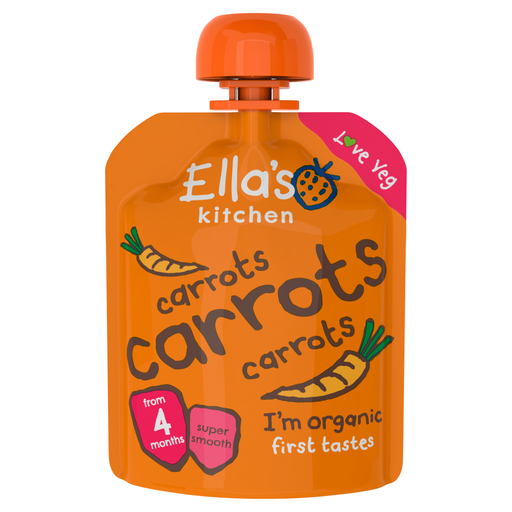
Why This Fits Their Persona: For parents embarking on the first stage of weaning, this pouch offers a simple, gentle introduction to solid foods. Its single-vegetable recipe is ideal for testing new tastes without overwhelming a baby's palate.
It directly counters the "hidden sugars" pitfall. Made with just organic carrots and water, there are no fruit concentrates or complex mixtures to worry about. The texture is perfectly smooth for a true Stage 1 food.
Contains 100% organic carrots with no added salt, sugar or other additives. The super-smooth texture is specifically designed for babies from 4 months.
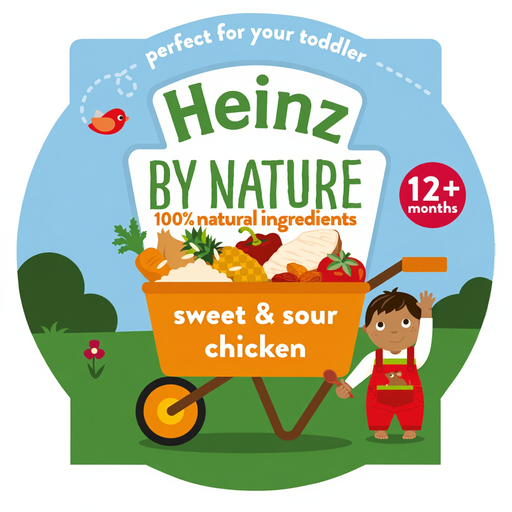
Why This Fits Their Persona: For busy parents of active toddlers, this tray meal is a lifesaver. It provides a balanced and textured meal without any prep time, making it a reliable option for a quick lunch or dinner.
This avoids the trap of relying on simple fruit purees for older babies. It's a complete meal with protein, carbohydrates and vegetables, and its chunkier texture is appropriate for the 12+ month stage, encouraging chewing.
Made with 100% natural ingredients and provides 1 of a baby's 5 a day. The sweet and sour flavour helps introduce more adventurous tastes to toddlers.
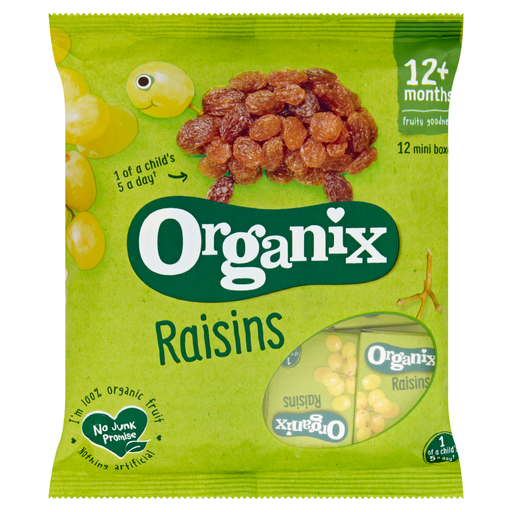
Why This Fits Their Persona: Perfect for packing in a changing bag or lunchbox, these mini raisin boxes provide a simple, mess-free and healthy toddler snack for days out, nursery or travel.
This is a prime example of a simple, honest organic snack. It avoids the "organic junk food" trap by being 100% fruit with no coatings, added sugars or artificial ingredients. The small boxes help with portion control.
Made with 100% organic raisins and nothing else. The 12 individual mini boxes are perfectly portioned for little hands and count as one of a child's 5-a-day.
We have compiled a complete, real-time list of products that fully satisfy these strict selection criteria and UK safety regulations.
Once opened, most commercially prepared baby food, whether in a jar or pouch, should be refrigerated and consumed within 24 to 48 hours. It is crucial to always check the specific instructions on the product's packaging, as this can vary. If you have fed your baby directly from the jar or pouch, it is safer to discard any leftovers due to the transfer of bacteria from saliva.
While convenient, prolonged sucking on baby food pouches, particularly those containing fruit, can expose a baby's emerging teeth to sugars for an extended period. To mitigate this, it is good practice to squeeze the contents onto a spoon or into a bowl for feeding. If your child is self-feeding from the pouch, ensure it is treated as a meal or snack and not something they carry around and suck on for a long time.
Pre-made organic baby food is an excellent, convenient and nutritious option, especially for busy families and when travelling. However, for a well-rounded diet and to help your baby explore a wider variety of textures and flavours, it is beneficial to offer a mix of prepared foods and simple, home-cooked meals. Combining the convenience of a baby weaning set with some homemade purees and finger foods can provide a balanced and enjoyable weaning experience.