Campers checking organic claims
If certified-organic tea is the aim, look at the claim and certification details on the particular pack. A brand’s general sustainability language does not establish that every green tea it sells is organic.


For a compact camping kit, certified-organic green-tea bags are the simpler choice: they are portioned and brew in a mug without measuring powder. An organic blend retains the bag format but changes the ingredients; choose matcha powder if measuring and mixing fit your kit. Check the current pack for its organic claim and certification details rather than treating words such as “natural” as proof.
If certified-organic tea is the aim, look at the claim and certification details on the particular pack. A brand’s general sustainability language does not establish that every green tea it sells is organic.
Portioned tea bags let you make a mug of tea without measuring powder. Keep the pack dry, and prepare hot water with the stove outdoors, away from tents and flammable materials, as Scouts advises.
Powder is an option when there is room for measuring and mixing equipment. Check the chosen product’s water-temperature and preparation directions before deciding what to pack.
Start with the organic claim, then choose a format you can prepare and store during the trip.
| Priority | What to check | Your needs |
|---|---|---|
| Organic claim | Check the individual pack’s organic wording and certification details. Department for Environment, Food & Rural Affairs guidance says UK food labelled organic must meet organic-production rules, contain at least 95% organic agricultural ingredients, and have the required control-body certification. | I want to distinguish an organic claim from broader words such as “natural” or “sustainable”. |
| Brewing kit | Compare bag-in-mug instructions with the chosen powder’s measuring, water-temperature and mixing directions. Twinings specifies 1 g of its organic matcha powder, water cooled to 70–80°C and whisking. | Will I have the equipment and time to prepare powder, or would a portioned bag make more sense at camp? |
| Water heating | Follow the tea’s brewing directions. Scouts advises using a fuel-burning stove outdoors on firm, level ground, away from tents and flammable materials. | I need a place to heat water safely before choosing a tea that calls for cooling or extra preparation. |
| Storage | Read the storage directions for the exact product, including what to do after opening. Clipper specifies cool, dry storage for its bagged green tea; the Food Standards Agency suggests considering predominantly dry foods when sufficient food storage is not possible during a camping trip. | I want a drink I can pack with dry supplies, while planning the storage of chilled foods separately. |
| Pack and flavour | Match the number of bags or amount of powder to the trip. Compare ingredients: Tesco lists Clipper’s 80-bag pure green tea and Pukka’s 20-bag Supreme Matcha Green blend, which contains three green teas and matcha. | For a short trip or a group, I want a suitable number of portions—and to know whether I am packing plain green tea or a blend. |
UK organic food labelling has production and certification requirements, according to Department for Environment, Food & Rural Affairs guidance. A conventional green tea or an organic-focused brand name does not establish the status of a particular pack.
Check the product’s own organic wording and certification information before buying.
Twinings directs buyers of its organic matcha powder to measure 1 g, cool boiled water to 70–80°C and whisk. That is a different preparation routine from infusing a bag in a mug.
Choose powder when its directions fit your water-heating plan and the equipment you intend to carry.
Allow space for a way to measure and mix the powder, as well as a suitable drinking vessel.
The Food Standards Agency advises keeping chilled food below 5°C and notes that a cool box is unlikely to keep food chilled for an extended period. Dry tea does not address the storage needs of other camping food.
Keep tea according to its pack directions and plan storage for chilled foods separately.
Scouts warns that fuel-burning stoves used in enclosed spaces pose a carbon monoxide risk, as well as fire and burn risks.
Use the stove outdoors on firm, level ground, away from tents and flammable materials, and follow its manufacturer’s instructions.
Compare the particular tea, not just the brand name: formats and organic claims can differ within a range.
A reference for plain, bagged organic green tea.
A reference for an organic green-tea blend in bags.
A useful comparison between bagged green tea and organic matcha powder.
A brand to consider when looking at botanical tea blends.
A reference for green-tea flavour and format variety.
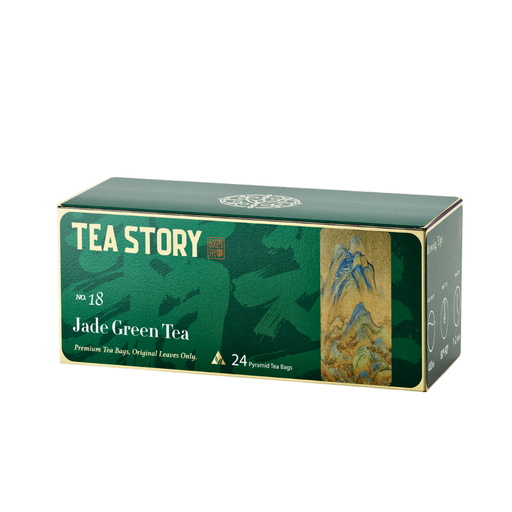
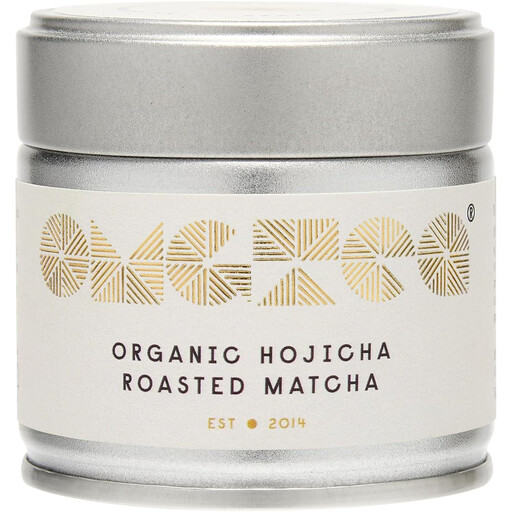
These options cover portioned green-tea bags, a matcha gift set and roasted matcha powder. Check each current pack’s organic certification information; the product names’ organic wording alone is not proof of certification.
 No image available
The 24 portioned bags offer a bag-in-mug option for a compact camp kit. Keep the tea cool and dry, and check the current pack for the organic certification details behind the claim in its name.
 No image available
This 30 g matcha gift set is a powder option for a trip where measuring and mixing fit the brew kit. Check what the set contains before relying on it for preparation equipment, and inspect the current pack’s organic certification details.
 No image available
This 30 g roasted matcha powder is an alternative to a plain green-tea bag for campers prepared to mix powder. Its product information calls for refrigeration after opening, which matters if the trip has no suitable cold storage. Check the current pack’s organic certification details and storage directions.
Check the organic claim and certification details on the particular product, rather than relying on “natural” or similar wording. Department for Environment, Food & Rural Affairs guidance says food labelled organic must meet organic-production rules, contain at least 95% organic agricultural ingredients, and have the required control-body certification.
Bags need less preparation equipment: Clipper directs users to infuse a bag after allowing boiled water to cool briefly. Twinings directs users of its organic matcha powder to measure 1 g, use water cooled to 70–80°C and whisk, so choose powder when those steps fit your kit.
Follow the storage directions for the exact tea: Clipper specifies cool, dry storage for its bagged green tea, while some products may have different instructions after opening. The Food Standards Agency suggests considering predominantly dry foods if sufficient food storage is not possible during a camping trip; chilled foods need their own storage plan.
No. Scouts advises using a fuel-burning stove outdoors on firm, level ground, away from tents and flammable materials, and never using or storing one inside a tent or other enclosed space because carbon monoxide can build up.