
24/7 全天候客户支持

免费退货

当日/次日达

品质保障

开启新人专享福利: 全场免邮 | 低至 2 折 | 免费试用 30 天 JoyPlus 会员
下载 Joybuy
Organic castor oil has become a staple in many UK households, praised for its versatility as a natural moisturiser and its role in beauty routines for hair, lashes and brows. However, its rising popularity has flooded the market with options, making it difficult to distinguish high-quality products from those that fall short. Many consumers find themselves disappointed with oils that are ineffective or, worse, contain unwanted impurities.
Before you add a bottle to your basket, it’s important to be aware of a few common purchasing pitfalls. Understanding these can help you avoid wasting money and ensure you get a product that delivers.
To make an informed choice, focus on a few key parameters that define the quality and suitability of the oil for your needs.
The way the oil is extracted from the castor bean is one of the most significant indicators of its quality.
For a product you're applying to your skin and hair, purity is paramount. An organic castor oil is certified to have been sourced from Ricinus communis plants grown without the use of synthetic pesticides and fertilisers. In the UK, look for certifications from bodies like the Soil Association or equivalent EU organic logos. This ensures you are getting a pure castor oil for skin that is as close to its natural state as possible, free from unwanted agricultural chemical residues.
It is crucial to distinguish between castor oil intended for cosmetic use and that sold as a digestive supplement.
Based on the criteria of purity, extraction method and intended use, here are a few recommendations matched to different needs.
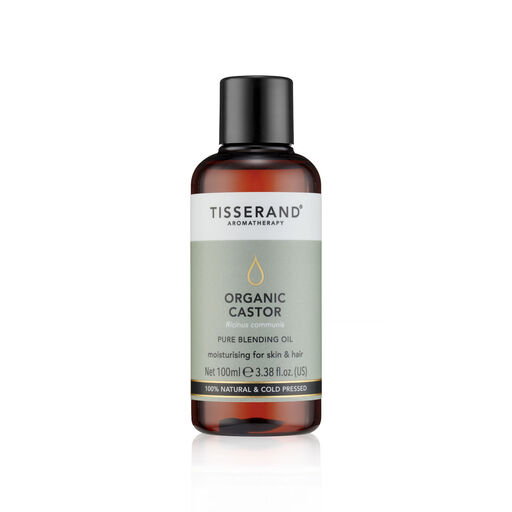
Why This Fits Their Persona: Ideal for those new to castor oil or who want a high-quality, trusted product without committing to a large bottle. The 100ml size is perfect for trying it out on hair, skin and nails to see the benefits firsthand.
This is a certified organic oil from a reputable UK brand, ensuring it's free from pesticides and not just vaguely labelled as "pure".
Deeply nourishing and versatile. Can be used on its own or blended with essential oils for a customised treatment.
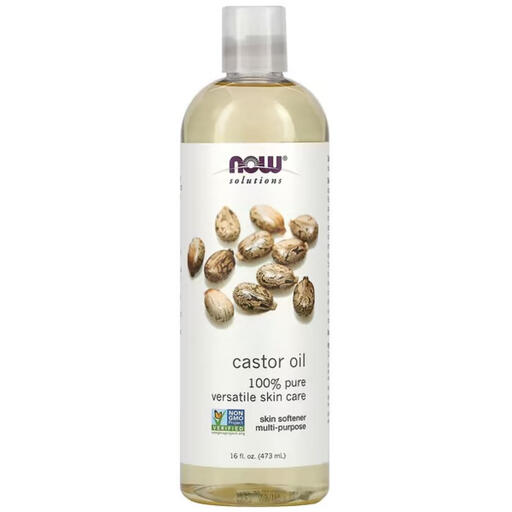
Why This Fits Their Persona: For the person who has already made castor oil a firm part of their routine. This large 473ml bottle offers excellent value for regular use in hair masks, as a body moisturiser, or for oil cleansing.
It is explicitly hexane-free and expeller-pressed, avoiding the solvent extraction pitfall. The bottle also contains a UV light protectant, addressing the issue of product degradation.
A multi-purpose, high-purity oil in an economical size. It is Non-GMO Project Verified, ensuring a natural formulation.
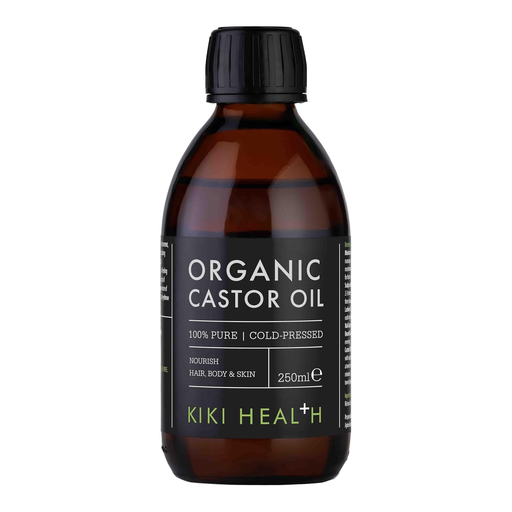
Why This Fits Their Persona: For the discerning user who prioritises the highest standards of purity and preservation, especially for use on delicate areas like eyelashes and eyebrows, or for creating castor oil packs.
This product ticks all the quality boxes: it's organic, cold-pressed, unrefined, and hexane-free. Crucially, it comes in a premium amber glass bottle, offering the best protection against light degradation.
The combination of cold-pressing and light-proof glass packaging ensures maximum preservation of the oil's natural nutrients.
We have compiled a complete, real-time list of products that fully satisfy these strict selection criteria and UK safety regulations.
Castor oil for skin, hair and lashes is intended for topical (external) application only. It is processed and bottled for cosmetic use. Castor oil for internal use is sold as a dietary supplement, typically in softgels, to be used as a stimulant laxative for occasional constipation. You must never ingest a cosmetic-grade castor oil and always follow the directions on the product label.
Generally, yes, but with caution. Always use a 100% pure, organic and hexane-free castor oil with no added fragrances or other ingredients. Before your first use, perform a patch test on a small area of skin (like behind your ear) to check for any reaction. When applying to lashes or brows, use a clean, dedicated mascara spoolie or a cotton swab and apply a very small amount to avoid getting it directly in your eyes.
Fresh, high-quality castor oil is typically pale yellow and has a very mild, slightly nutty scent, or is virtually odourless. If your oil has gone rancid, you will notice a distinct change. Key signs include a strong, unpleasant or crayon-like smell, a significant darkening in colour, or a change in its consistency. To prolong its life, store your castor oil in a cool, dark place, away from direct sunlight and heat.