Check that the exact cereal bar is labelled organic, then compare its nutrition per 100g and per bar, including sugars, saturated fat, fibre and protein. For a quick desk lunch, portion size and allergens matter too: a small bar may work as a snack or part of lunch, but should not automatically stand in for the whole meal.
Who is this for?
Desk workers facing an occasional missed lunch
A bar is easy to keep at a desk, but its portion and nutrition still need to fit the occasion. If it is standing in for lunch, consider what other food you will have with it rather than judging the meal by the bar alone.
Shoppers choosing organic first
The distinction is between a product labelled organic and a bar that merely highlights one organic ingredient. Check the exact pack and its certification information before comparing flavours.
People checking allergens or gluten
Organic and oat-based descriptions do not establish allergen or gluten suitability. Read the ingredients and precautionary wording for the exact bar and flavour you intend to buy.
What should you check?
Start with the organic claim on the exact product, then use the pack to compare portions, nutrition and ingredients. If the bar is meant to cover lunch rather than a short break, assess it as part of the food you plan to eat.
| Priority |
What to check |
Your needs |
| Organic status |
Look for an organic claim on the exact bar and its certification symbol or control-body details. Check whether an organic claim refers to the whole product or only an ingredient; the Soil Association explains what its certification symbol signifies. |
I want the bar itself to be organic, not just one ingredient called out on the wrapper. |
| Nutrition and portion |
Compare sugars and saturated fat per 100g, then check energy, fibre, protein and sugars per bar. NHS food-label guidance identifies more than 22.5g sugars or 5g saturated fat per 100g as high. |
A small bar might suit a short break; for a desk lunch, I need to know what one bar actually contributes. |
| Allergens and gluten |
Read the exact flavour’s ingredients, emphasised allergens and any ‘may contain’ statement. Check for a gluten-free claim if that matters to you; do not infer one from oats or an organic label. |
My choice has to fit my ingredient requirements, even when another flavour from the same range looks similar. |
| Role in lunch |
Check the bar’s weight and per-bar values alongside the rest of your planned food. NHS balanced-diet guidance describes meals across food groups, including starchy foods, fruit and vegetables, and protein foods. |
If lunch will be delayed, I may use a bar as a stopgap; if this is lunch, I need to consider what else to eat with it. |
Common buying mistakes
-
Assuming organic tells you the whole nutrition story
Organic certification concerns production and labelling, not a bar’s sugar, saturated fat or portion size. In its 2025 review of 458 snack bars from 10 major retailers, Action on Salt and Sugar classified 37% as high in sugars and 55% as high in saturated fat; those figures describe the reviewed snack bars, not organic bars specifically.
Confirm the organic claim, then read the nutrition panel per 100g and per bar.
-
Comparing only the front-of-pack calorie figure
Serving sizes differ: the cited Alpen bar is 19g, while the cited Freee and LIFEBAR bars are 35g and 40g respectively. A figure for one bar does not make equal-sized comparisons.
Use per-100g values to compare products, then return to per-bar values for the portion you would eat.
-
Assuming an organic oat bar is allergy-safe
Ingredient profiles vary. Freee describes its cited Chocolate Chip bar as made without the top 14 allergens, whereas the cited LIFEBAR contains hazelnuts and carries a precautionary statement for nuts and sesame.
Check the current pack for the exact flavour, including ingredients, allergen declarations and precautionary wording.
-
Letting one snack bar become the default whole lunch
A bar can be a small portion. The NHS describes a balanced diet in terms of a variety of foods across food groups, rather than a single snack.
When the bar is replacing lunch, consider other foods alongside it or choose a more substantial meal.
Brand and product references
These examples show why the exact product matters: an organic claim, nutrition figures and allergen information should not be carried over to every bar from the same brand.
Freee
Freee Foods lists its Chocolate Chip Oat Bar as organic and Soil Association certified.
- Its listed nutrition includes 4.7g fibre and 2.3g protein per 35g bar.
- Check the exact pack against your ingredient requirements rather than extending this product’s details to other Freee bars.
MadeGood
MadeGood describes its granola-bar range as using organic and gluten-free ingredients.
- The range offers a starting point for comparing organic-ingredient granola bars.
- Check the individual flavour’s organic labelling, ingredients, allergens and nutrition before choosing it.
LIFEBAR
Lifefood identifies its Dark Chocolate Hazelnut oat snack as organic in a 40g format.
- The listed values are 8.2g fibre, 11g protein and 22g sugars per 100g.
- This hazelnut product has a precautionary statement for nuts and sesame.
TREK
TREK Original Oat is a protein-flapjack alternative if organic labelling is not a requirement.
- TREK lists 10g plant protein for the cited bar.
- The cited product may contain peanuts, nuts and milk; check its current ingredient and allergen information.
Graze
Graze describes its Oat Boost flapjacks as wholegrain-oat products.
- The brand describes the range as high in fibre; check the chosen bar’s label for its values.
- For an organic purchase, look for an organic claim on the exact product rather than relying on the range description.
Nature Valley
Nature Valley lists wholegrain rolled oats at 60% in its cited Crunchy Oats & Honey product.
- Its product information gives an ingredient list to check against other oat bars.
- The cited product may contain soy, wheat, peanuts and tree nuts; the manufacturer also notes that recipes can change.
Alpen
Alpen’s cited Chocolate & Fudge Light Bar is a 19g cereal-bar portion.
- Weetabix Cereals lists 65kcal, 4.2g fibre and 0.9g protein per bar.
- The product information says it is not suitable for people with nut allergies. Check the exact product for organic labelling if that is your priority.
Kellogg’s
Kellogg’s cited Frosties Cereal Milk Bar is a cereal-and-milk snack bar.
- The product information lists 6.5g sugars per serving.
- It contains barley, milk and soy. Check the current pack for ingredients and for an organic claim if one is required.
Joybuy product options
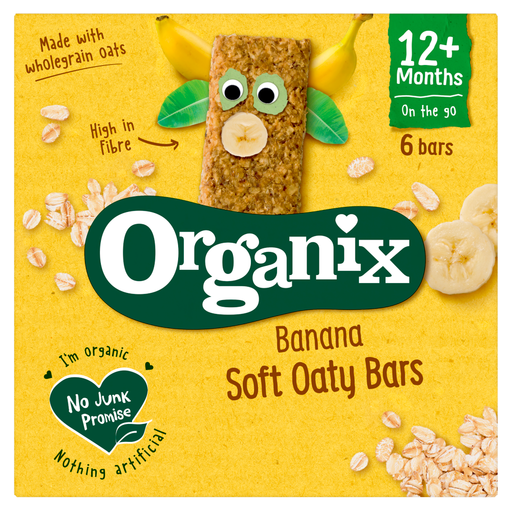
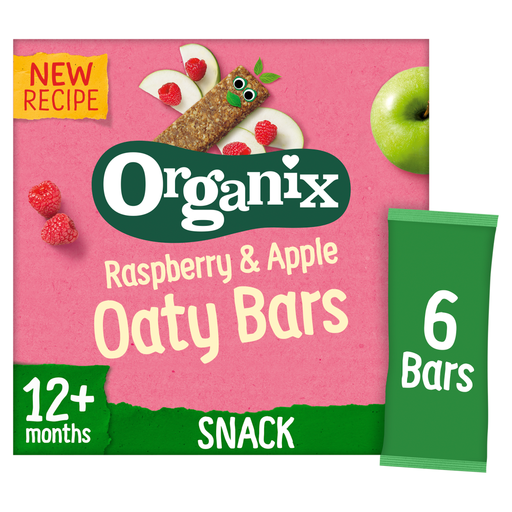
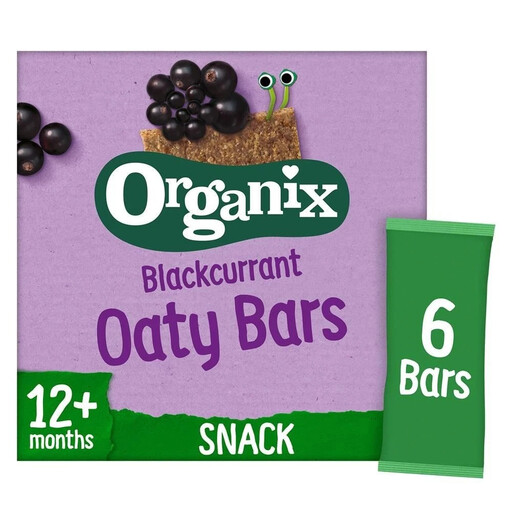
These Organix soft oaty bars are small, 23g portions labelled for children aged 12 months and over. They may be worth considering as portioned snacks, but their intended age group and size make them a limited match for an adult desk lunch. Check organic labelling and the current ingredients on the exact pack.
 No image available
Organix Banana Soft Oaty Bars, 12+ Months, 6 x 23g
This 23g banana bar is a small snack portion, not a whole desk lunch. It is labelled for children aged 12 months and over; check the exact pack’s organic claim, nutrition and allergens before choosing it.
View on Joybuy
 No image available
Organix Raspberry & Apple Soft Oaty Bars, 12+ Months, 6 x 23g
This raspberry and apple variant is another 23g snack labelled for children aged 12 months and over. For an adult desk lunch, compare the pack’s per-bar nutrition with the other food you plan to eat, and check its organic and allergen labelling.
View on Joybuy
 No image available
Organix Blackcurrant Organic Soft Oat Snack Bars, 12+ Months, 6 x 23g
The blackcurrant variant is labelled organic and comes in 23g bars intended for children aged 12 months and over, so one bar is a small snack rather than a whole adult lunch. Check the current pack for precautionary wording concerning tree nuts, soya and milk.
View on Joybuy
Questions about organic cereal bars
How can I check whether the cereal bar itself is organic?
Look for an organic claim on the exact product and check its certification or control-body information. The Soil Association explains that an organic certification symbol indicates that the food’s journey from farm to shop has been inspected and certified; a reference to one organic ingredient is not the same as checking the bar’s own labelling.
Should I compare nutrition per bar or per 100g?
Use both: per-100g figures help you compare different bar sizes, while per-bar figures show the portion you would eat. NHS food-label guidance identifies more than 22.5g sugars or more than 5g saturated fat per 100g as high.
Does organic mean a cereal bar is lower in sugar?
No such conclusion follows from the organic label alone. Organic certification concerns how the product is produced and certified; check the exact bar’s sugars per 100g and per serving to compare its nutrition.
Can one organic oat bar be my whole desk lunch?
Do not assume one bar covers lunch simply because it is convenient. Check its portion and consider other food alongside it; NHS balanced-diet guidance describes a variety of foods across food groups, including fruit and vegetables and protein foods.
What if I need to avoid an allergen?
Read the exact pack’s ingredients, emphasised allergens and any ‘may contain’ statement before buying. Organic status and an oat-based name do not establish allergen suitability, and manufacturers such as Nature Valley note that recipes can change.


