For an afternoon chai where organic sourcing matters, check that the exact product carries an organic claim and certification information: UK organic food labelling is regulated, according to the Department for Environment, Food & Rural Affairs. Clipper Organic Indian Chai offers a black-tea base, while Pukka says its Original Chai can be served with or without milk. If you prefer a herbal-style cup, the Joybuy listing describes Pukka Vanilla Chai as caffeine-free, but check the pack’s organic certification before relying on its organic claim.
Who is each choice for?
The useful starting point is whether organic certification, the type of tea base or particular ingredients will decide what you serve.
Hosts choosing organic chai
If an organic claim is essential for afternoon tea, check the exact chai rather than relying on words such as “natural” or on another product in the brand’s range. The Department for Environment, Food & Rural Affairs sets rules for using organic terms on food labels in the UK.
Drinkers planning a tea-and-milk cup
Look for a blend with black tea if that is the base you want, then compare its spices and the maker’s serving guidance. Clipper Organic Indian Chai lists black tea, while Pukka says Original Chai can be served with or without milk.
Shoppers checking individual ingredients
Read the ingredient list before choosing by the word “chai” alone. Pukka Original Chai lists liquorice; Clipper Organic Indian Chai lists orange peel, cloves and fennel seed. If you have questions about liquorice alongside medicines or supplements, an NHS-affiliated GP practice advises speaking to a GP or pharmacist.
What should you check before buying?
Settle the organic requirement first, then choose the tea base and serving format. Ingredients and disposal instructions can distinguish blends that otherwise sound similar.
| Priority |
What to check |
Your needs |
| Organic claim |
Check the exact product’s label and certification information. The Department for Environment, Food & Rural Affairs says UK organic food labelling requires compliance with organic production rules, certification by an approved control body and at least 95% organic agricultural ingredients. |
I want the chai itself to carry a regulated organic claim, not just packaging that suggests natural ingredients. |
| Tea base and serving |
Check whether the ingredients specify black tea or a herbal blend. Compare the maker’s directions if you plan to add milk; Pukka says its Original Chai works with or without it. |
For an afternoon tea-and-milk cup, I’d choose a black-tea base. If I want a herbal-style drink instead, I’d check that description on the exact pack. |
| Spices and caffeine |
Read the full spice list, particularly for liquorice. Check whether the blend contains black tea rather than assuming an organic chai is caffeine-free. |
I’d rather know whether a blend contains liquorice or a spice I dislike before buying a larger pack. |
| Drink format |
Distinguish tea bags from instant latte mixes. For a mix, check the preparation directions and ingredients, including any milk or soya. |
A tea bag suits me when I want an infusion; for a quick latte-style drink, I’d check what is already in the powder. |
| Tea-bag disposal |
Check the bag, tag and wrapper separately, then follow local collection rules. Pukka describes its tea bags as UK-certified home compostable; Clipper describes its PLA-sealed bags as plant-based and biodegradable, not plastic-free. |
If I use food-waste collection or home composting, I want to know where each part of the packaging belongs. |
Chai-buying mistakes to avoid
-
Assuming every chai from an organic brand is organic
An organic range does not establish the status of every product. Twinings lists ingredients for Classic Chai but does not describe that exact product as organic on its product page.
Check the chai’s own label and certification details. The Department for Environment, Food & Rural Affairs sets product-level rules for organic food claims in the UK.
-
Expecting every chai to make the same milk tea
Spice lists differ: Pukka Original Chai includes liquorice, ginger and cardamom, whereas Clipper Organic Indian Chai lists orange peel, cloves and fennel alongside black tea. Those distinctions matter if you dislike or need to avoid an ingredient.
Choose the tea base and ingredient list for the cup you intend to make, rather than treating “chai” as a single recipe.
-
Putting every part of a tea bag in the same waste stream
A claim about the bag does not necessarily apply to its tag or wrapper. Pukka gives separate disposal information for these parts, while Clipper says the PLA used to seal its bags should not be called plastic-free.
Follow the maker’s instructions for each part and check what your local collection accepts.
-
Overlooking black tea or liquorice
Organic status does not tell you whether a chai contains caffeine or liquorice. These ingredients may be relevant to an individual’s circumstances: Guy’s and St Thomas’ NHS Foundation Trust notes that caffeine can worsen bladder urgency or frequency for some people, while an NHS-affiliated GP practice advises seeking advice about possible liquorice interactions.
Check the ingredients on the exact pack. If you have questions about medicines or supplements and liquorice, ask a GP or pharmacist rather than assuming the blend is suitable for you.
Chai brands and their blends
These are references for particular chai products, not a claim that every blend from each brand has the same ingredients or organic status.
Pukka
Pukka describes Original Chai as an organic spiced blend that can be served with or without milk and honey.
- Its Original Chai description identifies cardamom, liquorice, ginger and cinnamon.
- Check the liquorice ingredient if it matters to your choice; do not assume a different Pukka chai has the same recipe.
Clipper
Clipper sells Organic & Fairtrade Indian Chai with a black-tea base.
- The product lists organically grown black tea, cinnamon, orange peel, cloves and fennel seed.
- Clipper describes the PLA used in its tea bags as plant-based and biodegradable, rather than plastic-free; check local disposal rules.
Twinings
Twinings Classic Chai is a spiced black tea to consider when an organic claim is not essential.
- Its listed ingredients include black tea, cloves, cardamom and flavourings.
- The Classic Chai product page does not describe this exact blend as organic; another tea in the range would not establish its status.
Joybuy chai options for afternoon tea
These options cover a herbal chai in tea sachets and two instant chai latte formats. They are not interchangeable with the black-tea bags discussed above: check each product’s ingredients, preparation directions and organic claim against the cup you want to serve.
 No image available
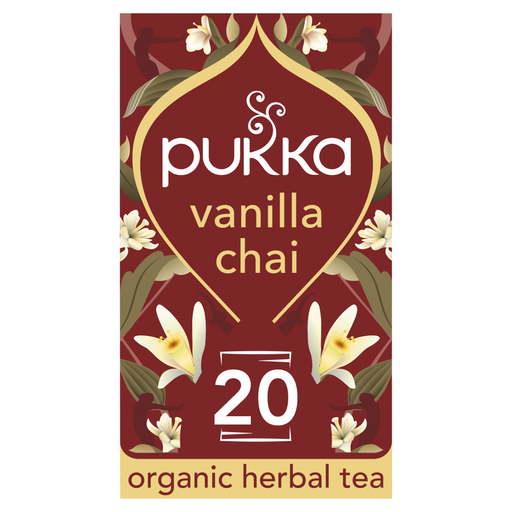
Pukka Vanilla Chai 20 Herbal Tea Sachets, 40g
For a herbal-style afternoon cup, the product description calls this vanilla chai caffeine-free and lists cinnamon, ginger, liquorice, fennel, cardamom and vanilla. It also makes an organic claim; check the exact pack and certification information if organic status is essential. Check the liquorice ingredient if it is relevant to medicines or supplements you take, and consult a pharmacist or GP if you have questions.
Joybuy
 No image available
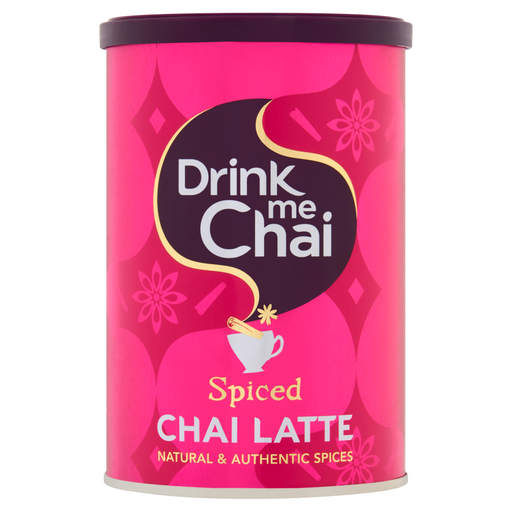
Drink Me Chai Spiced Chai Latte, 250g
This instant powder is an option for a chai-style latte made with hot water rather than a tea-bag infusion. Its ingredients include instant black tea, skimmed milk powder and whey permeate, so it contains milk. If organic status is a requirement, check the exact pack for an organic claim and certification information before choosing it.
Joybuy
 No image available
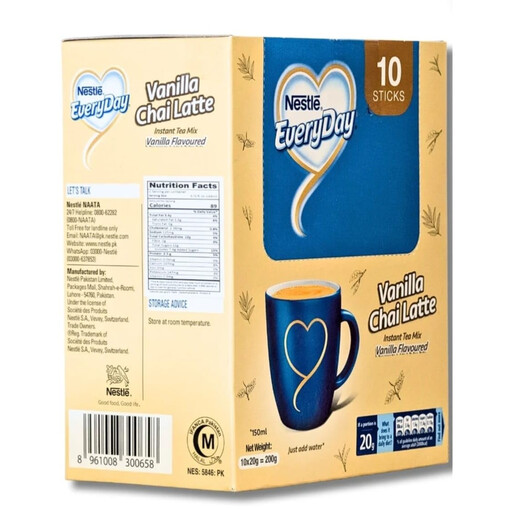
Nestle Everyday Vanilla Chai Latte Tea 3in1, 10 × 20g
Each 20g sachet makes an instant vanilla chai-style drink with hot water. The ingredients include tea extract, milk and soya; the tea extract is not identified as black tea. Check the exact pack’s organic claim and certification information if organic status matters to you.
Joybuy
Questions about organic chai
What does “organic” mean on chai sold in the UK?
The Department for Environment, Food & Rural Affairs says food labelled organic must meet organic production rules, with the product and suppliers certified by an approved control body; at least 95% of its agricultural ingredients must be organic. Check the claim and certification information for the particular chai you intend to buy.
Is organic chai automatically caffeine-free?
No. Organic status concerns how a product is produced and labelled, not whether it contains caffeine. Clipper Organic Indian Chai lists black tea; if a caffeine-free drink is your aim, check the exact blend’s ingredients and description instead.
Can I serve chai with milk at afternoon tea?
Yes, if the blend’s serving guidance suits the drink you want to make. Pukka says its Original Chai can be served with or without milk and honey. If the organic status of the finished drink matters to you, check any milk or plant drink you add separately.
What if a chai contains liquorice?
Check the ingredient list rather than assuming every chai contains it: Pukka Original Chai does list liquorice. An NHS-affiliated GP practice advises asking a GP or pharmacist if you have questions about possible interactions between liquorice and medicines or supplements; its guidance does not establish a chai-specific intake limit.
Can used chai tea bags go in food waste or compost?
Follow the instructions for the exact bag and your local collection rules. Pukka says its tea bags are UK-certified home compostable and gives separate guidance for the tag; Clipper says its used biodegradable bags can go in household food waste but clarifies that their PLA seal is not plastic-free.


