Organic-first coconut-drink shoppers
If you want a carton for cereal, smoothies or pouring, check the organic label on the exact drink. Compare ingredients and total sugars separately: “no added sugar” does not mean sugar-free.


For a first grocery shop, choose an organic coconut drink if you need a carton for cereal, smoothies or pouring; choose organic cooking coconut milk if a curry, soup or dessert calls for coconut richness. Check that the exact product is labelled organic, then compare its ingredients, sugar content and instructions after opening. If you are shopping for someone with a food allergy, check the full allergen information rather than relying on a vegan label.
If you want a carton for cereal, smoothies or pouring, check the organic label on the exact drink. Compare ingredients and total sugars separately: “no added sugar” does not mean sugar-free.
If coconut milk is an ingredient in a curry, soup or dessert, look for a cooking product rather than assuming a coconut drink will provide the same texture. Check organic status on the tin or carton you choose.
If you are avoiding milk or another allergen, read the exact pack’s ingredients and precautionary allergen statements. The Food Standards Agency advises that vegan labelling alone is not a substitute for allergen information.
Decide whether you need a pouring drink or a cooking ingredient, then check the organic claim and the label details that matter for that use.
| Priority | What to check | Your needs |
|---|---|---|
| Organic label | Look for an organic claim on the exact product, not just plant-based or natural wording. The Department for Environment, Food & Rural Affairs says food labelled organic must meet organic production rules, including at least 95% organic agricultural ingredients. | Organic status matters to me, so I need to check the product I will actually buy rather than assume every coconut option in the range qualifies. |
| Format | Check whether the product is a coconut drink for pouring or coconut milk intended for cooking. Compare the ingredients and nutrition panel if a recipe needs a particular texture. | Am I buying something for breakfast or an ingredient for a curry, soup or dessert? That choice determines which format belongs in my basket. |
| Sugars and additions | Read total sugars per 100ml as well as any “no added sugar” claim. Check the ingredient list and whether a drink has added calcium or vitamins. | I may prefer a short ingredient list, a particular sugar figure or a fortified drink; those are separate checks from whether it is organic. |
| Allergens | Read the current pack’s ingredient, allergen and precautionary statements. The Food Standards Agency advises against using a vegan label as a substitute for allergen information. | When shopping for someone with a food allergy, I need the allergen information for the exact product, not an assumption based on plant-based wording. |
| After opening | Check whether the product needs refrigerating, whether leftovers must be transferred from a tin and how soon they must be used. Instructions differ between products. | Will I use most of a cooking tin in one recipe, or finish a drink carton within its stated period after opening? |
An organic coconut-and-rice drink is made for pouring; an organic cooking milk has a different composition. Organic status does not make the two formats interchangeable in a recipe.
Choose the format for the meal first, then check that the exact drink or cooking milk is labelled organic.
Waitrose lists 4.1g sugars per 100ml for Rude Health Organic Coconut Drink despite its no-added-sugar description. Total sugars and added sugar answer different questions.
If total sugar matters to your choice, compare the nutrition panels per 100ml rather than relying on front-of-pack wording alone.
The Food Standards Agency advises that vegan labelling alone should not stand in for allergen information. Marks & Spencer also marks its Creamy Coconut Drink as unsuitable for people with a milk allergy.
Check the current pack’s ingredients and precautionary allergen statements for the person you are shopping for.
Product instructions differ: the Plenish drink says to refrigerate and use within four days, while the Rude Health drink says five days. The Duchy organic cooking milk says to transfer leftovers to a non-metallic container and use them within two days.
Choose an amount you can use within the instructions on its own pack, particularly if a recipe needs only part of a tin.
These examples show why a brand name alone does not settle the choice: compare the specific product’s format, organic label and other pack details.
Tesco lists Plenish Organic Coconut Drink as a coconut-and-rice carton for pouring uses.
Waitrose lists an organic coconut-and-rice drink for uses including cereal and smoothies.
Alpro Coconut No Sugars is a coconut-drink option for shoppers comparing sugar and fortification alongside organic status.
Tesco lists coconut drinks as well as its own-label tinned coconut milk, giving shoppers two different formats to assess.
M&S lists a fortified coconut drink and a separate tinned coconut milk for cooking.
These Joybuy options include coconut drinks and coconut milk for cooking. If organic status is essential to your first shop, check the organic claim on each exact pack before choosing; the format or coconut content alone does not establish it.
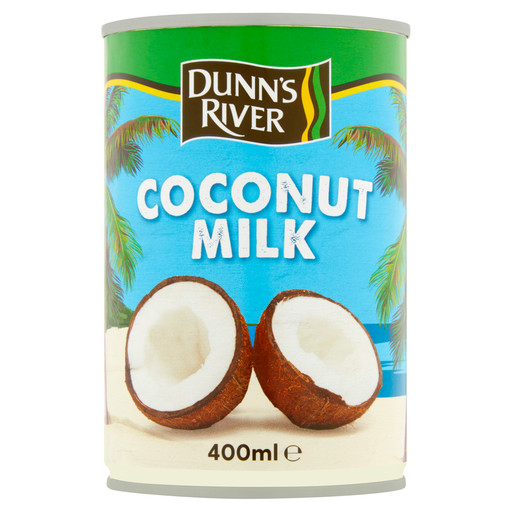 No image available
A coconut milk option to consider for cooking. Check the pack’s organic label if that is a requirement, and follow its instructions for storing leftovers after opening.
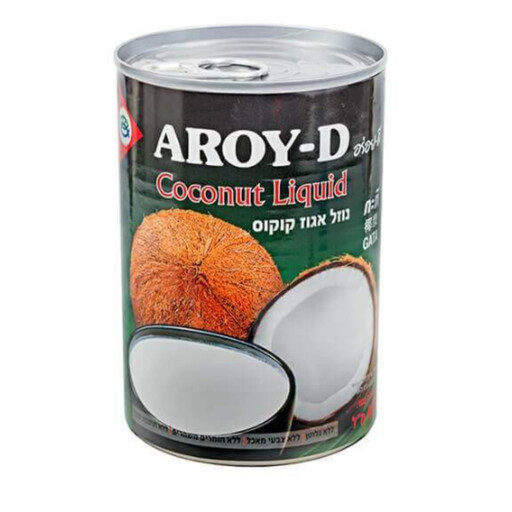 No image available
A cooking-milk option with 17% fat stated in its name. Check the exact pack for an organic claim and, if allergens matter, its precautionary information.
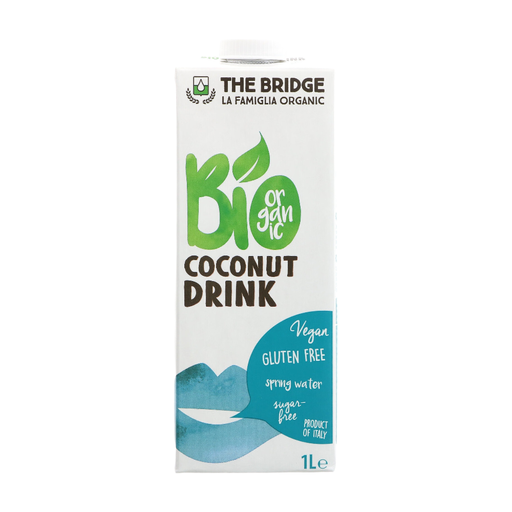 No image available
This is a coconut drink rather than a cooking milk. If you need an organic product, check the whole-product claim on the pack rather than relying on organic markings beside individual ingredients.
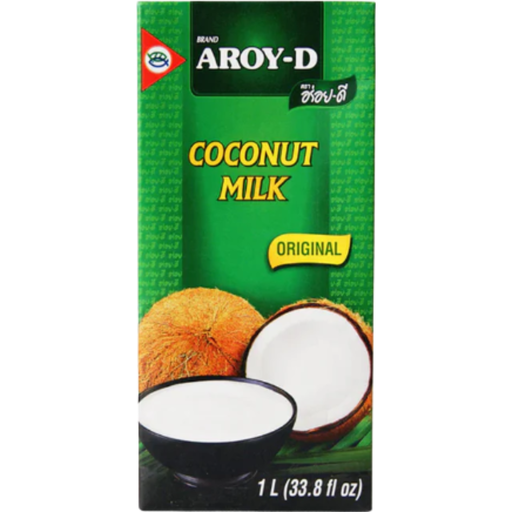 No image available
Consider this larger carton when cooking a batch that calls for coconut milk. Check the organic label if required, and plan how you will use and store it after opening.
 No image available
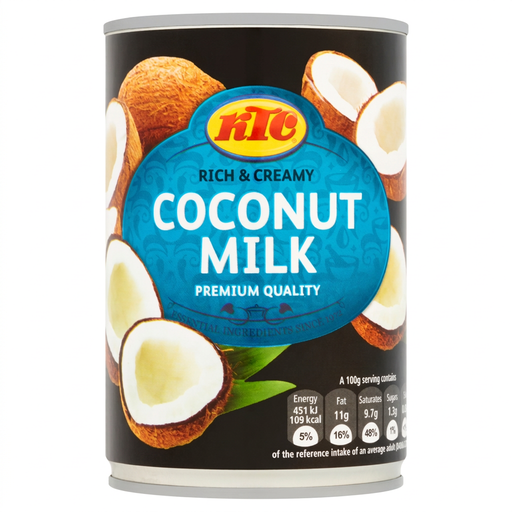
A coconut milk option for cooking rather than a pouring drink. Check the pack for organic labelling and its instructions for any leftovers.
It is a regulated food-labelling claim, not another word for plant-based or natural. The Department for Environment, Food & Rural Affairs says food labelled organic must follow the applicable organic production rules, including a requirement that at least 95% of its agricultural ingredients are organic. Check the claim on the exact drink or cooking milk you choose.
Choose a coconut drink for cereal, smoothies or pouring, and cooking coconut milk when a curry, soup or dessert needs a coconut ingredient with more body. For example, Waitrose lists 60% organic coconut extract in Duchy Organic Coconut Milk, while the organic drink listings describe coconut-and-rice cartons. Check the recipe and the exact product before substituting one format for the other.
No. The Food Standards Agency advises that vegan labelling alone should not replace allergen information, because cross-contact may still matter. Read the exact pack’s ingredients and precautionary statements; M&S specifically marks its Creamy Coconut Drink as unsuitable for people with a milk allergy.
Follow the instructions on each pack. The Plenish drink listing says to refrigerate and use within four days, the Rude Health drink says five days, and the Duchy organic cooking milk says to transfer leftovers to a non-metallic container, refrigerate below 5°C and use within two days.
Use a listing to compare options, then read the physical pack before consumption. Tesco, Waitrose and M&S advise shoppers to check product labels because ingredients, nutrition and allergen information can change.