Parents packing a dairy-free lunch
If a child avoids dairy, the decision is whether coconut is an ingredient for one meal or a drink expected to take the place of milk regularly. Those uses call for different nutritional checks.


For a nursery lunch, an organic coconut drink may suit occasional use, while canned organic coconut milk belongs in a nursery-approved cooked dish; neither should automatically replace a child’s usual milk. The UK Office for Health Improvement and Disparities says organic plant-based drinks cannot be fortified, so a child who needs a regular dairy-free drink needs a choice considered alongside their whole diet. Check the child’s age, the current label and the nursery’s food and allergy rules before sending either product.
If a child avoids dairy, the decision is whether coconut is an ingredient for one meal or a drink expected to take the place of milk regularly. Those uses call for different nutritional checks.
Organic coconut products can be used in recipes or as an occasional drink, but organic status does not establish that a drink supplies the nutrients a child would otherwise get from dairy.
For a child with recorded dietary needs, check the current ingredients, precautionary allergen information, storage instructions and care plan before preparing or accepting a coconut-based dish.
Start with the job the coconut product will do: an occasional drink, an ingredient in a cooked lunch, or a regular alternative to dairy milk.
Consider it: For an occasional drink or use with cereal when the child and nursery can accept its ingredients.
Trade-off: The UK Office for Health Improvement and Disparities says organic plant-based drinks cannot be fortified, so organic status does not make one a main dairy replacement.
Consider it: As an ingredient in a nursery-approved soup, sauce or curry.
Trade-off: It is a cooking product, not a drinking-milk substitute; the Duchy Organic product listed by Waitrose contains 15.8g saturated fat per 100g.
Consider it: When a child aged at least 12 months needs a regular dairy-free drink and the choice fits their whole diet.
Trade-off: A fortified drink will not meet an organic-only preference under the UK rule, and its calcium content alone does not settle its suitability for an individual child.
| Priority | What to check | Your needs |
|---|---|---|
| Replacing dairy | Compare the nutrition panel and fortification with what the child gets elsewhere. NHS South West London guidance for dairy-free children advises looking for at least 120mg calcium per 100ml in a drink; seek individual dietary advice when dairy is excluded. | If my child does not have cow’s milk, I need more than a coconut-flavoured substitute: their overall diet must account for the nutrients dairy would otherwise provide. |
| Organic status | Check the product’s organic labelling and its calcium, iodine, protein and energy information. The UK Office for Health Improvement and Disparities says organic plant-based drinks cannot be fortified with nutrients. | I may prefer organic ingredients for an occasional lunch item, but I would not choose the drink as a regular milk replacement on that basis alone. |
| Product format | Read whether the pack is a drink or a cooking milk, its intended uses and its nutrition per 100ml or per 100g. Waitrose lists Duchy Organic Coconut Milk for curries, soups and desserts. | For cereal or a beverage, I need a drinking product. For a permitted cooked dish, canned coconut milk may be the ingredient the recipe calls for. |
| Age and allergies | Check the child’s age, every ingredient and any precautionary allergen statement. Department for Education guidance for England says plant-based drinks should be avoided before 12 months, apart from small amounts in cooking. | A dairy-free label does not answer whether this particular product fits my child’s allergy plan. |
| Nursery and storage | Confirm the setting accepts the food and can follow the pack’s instructions for transport, refrigeration and use after opening. | I need a lunch the nursery can accept and store as directed, whether I send a drink or a prepared dish. |
The UK Office for Health Improvement and Disparities says organic plant-based drinks cannot be fortified. Organic status therefore does not establish that a drink meets the needs of a child who excludes dairy.
If a regular dairy-free drink is needed, consider its nutrient content alongside the child’s whole diet and seek appropriate professional advice for a medically necessary dairy-free diet.
Canned coconut milk is a cooking ingredient. Waitrose lists Duchy Organic Coconut Milk for curries, soups and desserts and gives 15.8g saturated fat per 100g.
Use it in a nursery-approved recipe; if the intended use is a beverage or cereal, check a product labelled as a drink instead.
A dairy-free description cannot establish that a product suits every child’s other food allergies or the nursery’s rules. The current pack may also carry precautionary allergen information.
Read the complete current label and follow the child’s documented care plan before making a substitution.
Department for Education guidance for England says plant-based drinks should be avoided before 12 months, although small amounts can be used in cooking. Once opened, a product’s storage instructions also affect how it can be sent to nursery.
Check the intended use against the child’s age, then follow the exact pack’s refrigeration and use-after-opening directions.
These examples serve different purposes; a brand name alone does not establish that a product is organic, suitable for an allergy plan or appropriate as a child’s regular milk.
Tesco lists Plenish Organic Coconut Drink as a coconut-and-rice drink that may fit occasional food or drink use after the child’s age and nursery requirements are checked.
Waitrose describes Duchy Organic Coconut Milk as a cooking ingredient for dishes including curries and soups.
Alpro Coconut Original is a non-organic coconut-drink example to assess when a child needs a dairy-free drink.
For a Koko coconut drink, choose by the exact product label rather than by the brand or coconut format.
This option is a coconut drink to assess for an occasional nursery lunch, not a canned cooking milk or an established main dairy replacement.
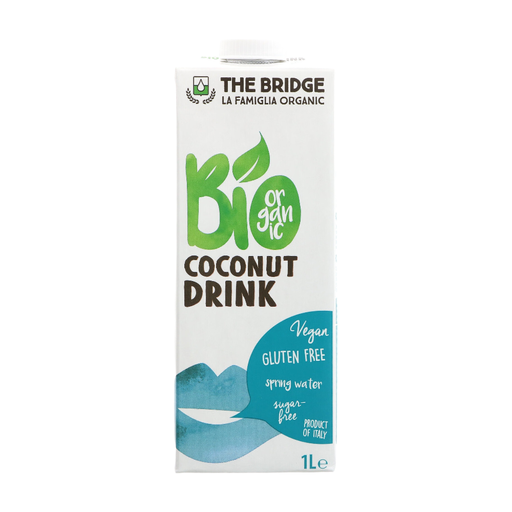 Image unavailable
This 1L coconut drink is an option to assess if a nursery lunch calls for a coconut-based beverage. Check the current pack for product-level organic status, calcium and iodine information, allergens and opened-pack storage before sending it; do not assume it can replace the child’s usual milk.
Not automatically. The UK Office for Health Improvement and Disparities says organic plant-based drinks cannot be fortified, and a child who excludes dairy needs other foods and drinks to provide the nutrients dairy would otherwise contribute. Consider an organic coconut product for an appropriate recipe or occasional drink, rather than assuming it is a suitable regular replacement.
Department for Education guidance for England says unsweetened, calcium-fortified plant-based drinks can be given from 12 months as part of a balanced diet. Plant-based drinks should be avoided before 12 months, apart from small amounts used in cooking; check the particular drink and the child’s dietary needs.
No. Canned coconut milk is intended for cooking, while a coconut drink is a beverage product. Waitrose lists Duchy Organic Coconut Milk for curries, soups and desserts and gives 15.8g saturated fat per 100g, so choose the format for the dish or drink you actually plan to send.
The name alone does not mean it contains cow’s milk. Check the current ingredient and allergen statement for the exact product, including any precautionary wording. For a child with a diagnosed allergy, follow their nursery care plan and clinical advice rather than substituting products based on the name.
Confirm that the product suits the child’s age and dietary plan, that the nursery accepts it, and that its current ingredient and allergen information has been checked. Follow the pack’s transport, refrigeration and opened-pack instructions, particularly if sending a prepared dish or a portion from an opened carton.